
A small aircraft crashed into Beijing’s tallest skyscraper on Friday evening, killing the pilot and injuring 13 people on the ground. The incident has shaken residents of the Chinese capital, where civilian airspace ranks among the most tightly controlled in the world.
Authorities in Beijing’s Chaoyang district confirmed on Saturday that a single-engine, two-seat light sport aircraft struck the exterior of the CITIC Tower, also known as China Zun, at around 5:55 p.m. local time.
The pilot, the only person on board, died in the crash. None of the 13 injured were inside the aircraft. They’re currently receiving medical treatment, and officials said an investigation into the cause is underway.
The crash is being treated as highly unusual given Beijing’s strict limits on private and low-altitude flights.
Crash Occurs Near Beijing’s Financial Heart
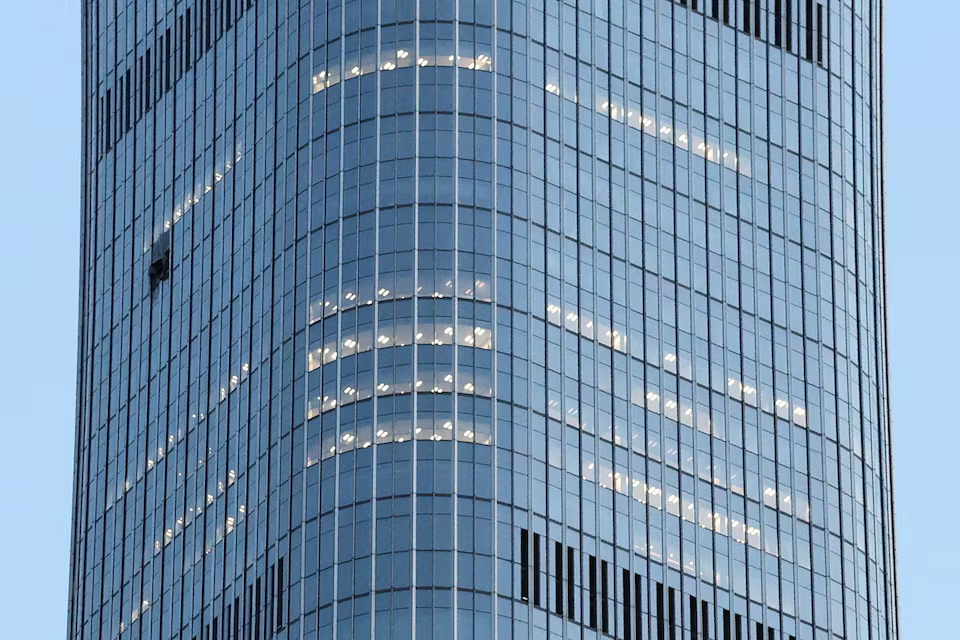
The aircraft hit the upper section of the 528-meter (1,732-foot) CITIC Tower, a landmark that dominates Beijing’s skyline and anchors the city’s Central Business District.
The tower houses numerous financial institutions, multinational companies and business offices. Authorities said the structural damage to the building appeared limited despite the dramatic nature of the crash.
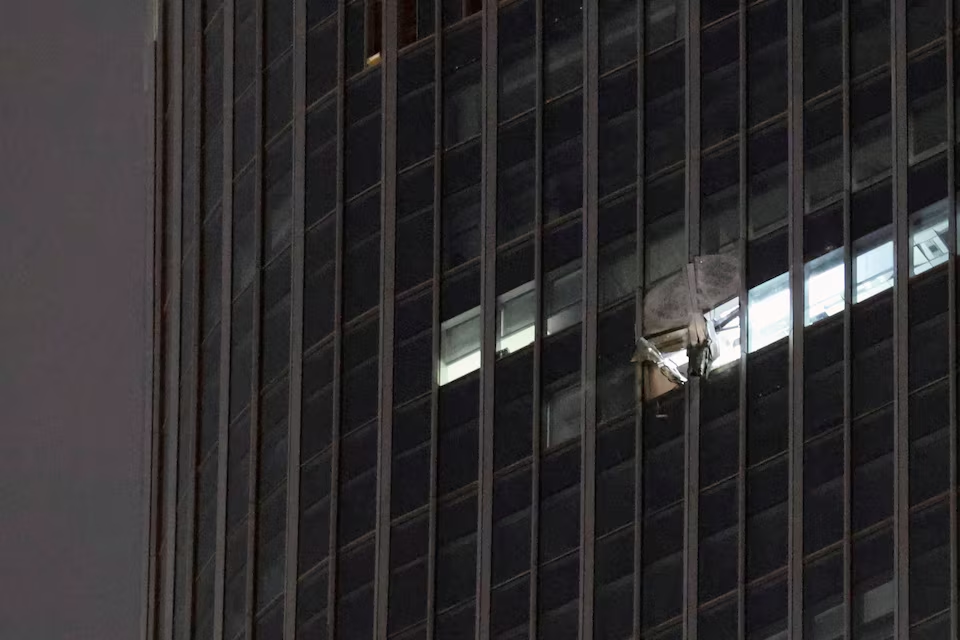
Images circulating on social media showed a hole in the building’s glass facade where two large panels had shattered on impact. By Saturday morning, maintenance crews had covered the damaged section with protective boarding.
Emergency responders sealed off parts of the surrounding area as firefighters, police officers and medical teams arrived.
Witnesses described hearing a loud bang followed by falling debris.
“It sounded like an explosion,” one nearby office worker told local media. “At first, people thought a window had fallen from the building, but then emergency vehicles started arriving.”
Pilot Was the Sole Occupant
Officials confirmed only one person was aboard the aircraft when it crashed.
Authorities haven’t released the pilot’s identity, nationality or flight details. It’s also unclear where the plane took off from or whether it had clearance to operate in the Beijing area.
Investigators are looking into several possibilities, including mechanical failure, pilot error and weather conditions, though no official conclusions have been announced.
China’s civil aviation authorities are expected to review flight records, maintenance logs and communications data to determine how the plane entered one of the country’s most heavily monitored airspaces.
Injuries Reported on the Ground
The 13 people hurt in the crash were reportedly injured by debris and shattered glass.
Medical officials said none of the injuries appear life-threatening, though several victims needed hospital treatment.
Emergency crews moved quickly to evacuate parts of the building and check the safety of nearby offices. Employees inside the tower were asked to stay in place while engineers inspected the structure.
Despite the damage, authorities said the building itself remained structurally sound.
Beijing’s Highly Restricted Airspace

The crash has drawn fresh attention to the strict rules governing airspace in the Chinese capital.
Beijing houses numerous government institutions and sensitive sites, including Zhongnanhai, the compound where China’s top political leadership operates. The city also contains major military installations and critical infrastructure, which has led to some of the toughest aviation regulations in the country.
CITIC Tower sits roughly six kilometers (3.7 miles) from the Forbidden City, one of China’s most visited historical landmarks.
Because of security concerns, low-altitude flights in Beijing require extensive authorization and coordination with aviation authorities. Unauthorized aircraft operations near central Beijing are exceedingly rare, according to experts.
“This incident raises many questions because the capital’s airspace is among the most tightly regulated in the world,” said one aviation analyst. “Understanding how this aircraft came to be flying in the area will be a major focus of the investigation.”
Recent Security Measures Intensify Scrutiny
The crash comes just weeks after Beijing introduced additional restrictions on unmanned aircraft and drone operations.
Since May, authorities have banned the purchase, rental and operation of drones in certain parts of the city without explicit government authorization. The measures stemmed from concerns over public safety and national security, particularly around sensitive government and diplomatic sites.
The latest accident is expected to intensify scrutiny of aviation oversight and could prompt further reviews of regulations governing private aircraft across China.
Rare Plane Crashes in the Capital
Aviation accidents in Beijing are uncommon. The last notable one occurred in 2022, when a tourist helicopter crashed during a flight between Beijing’s Changping and Fangshan districts, killing both pilots on board.
China’s commercial aviation sector generally maintains a strong safety record, and major accidents are relatively infrequent compared with many other countries. That rarity has made Friday’s crash particularly shocking for residents and observers.
Investigation Continues
Authorities haven’t said when preliminary findings will be released.
Investigators are expected to examine the aircraft’s maintenance history, the pilot’s qualifications and any flight permissions that may have been granted. Officials are also likely to look into whether the aircraft deviated from an approved flight path or experienced a sudden emergency before striking the skyscraper.
For now, the focus remains on supporting those injured and figuring out how a light aircraft managed to collide with one of the most recognizable buildings in the Chinese capital.
As Beijing residents continue to process the event, the crash stands as a reminder that even in one of the world’s most tightly controlled cities, unexpected tragedies can still happen.