
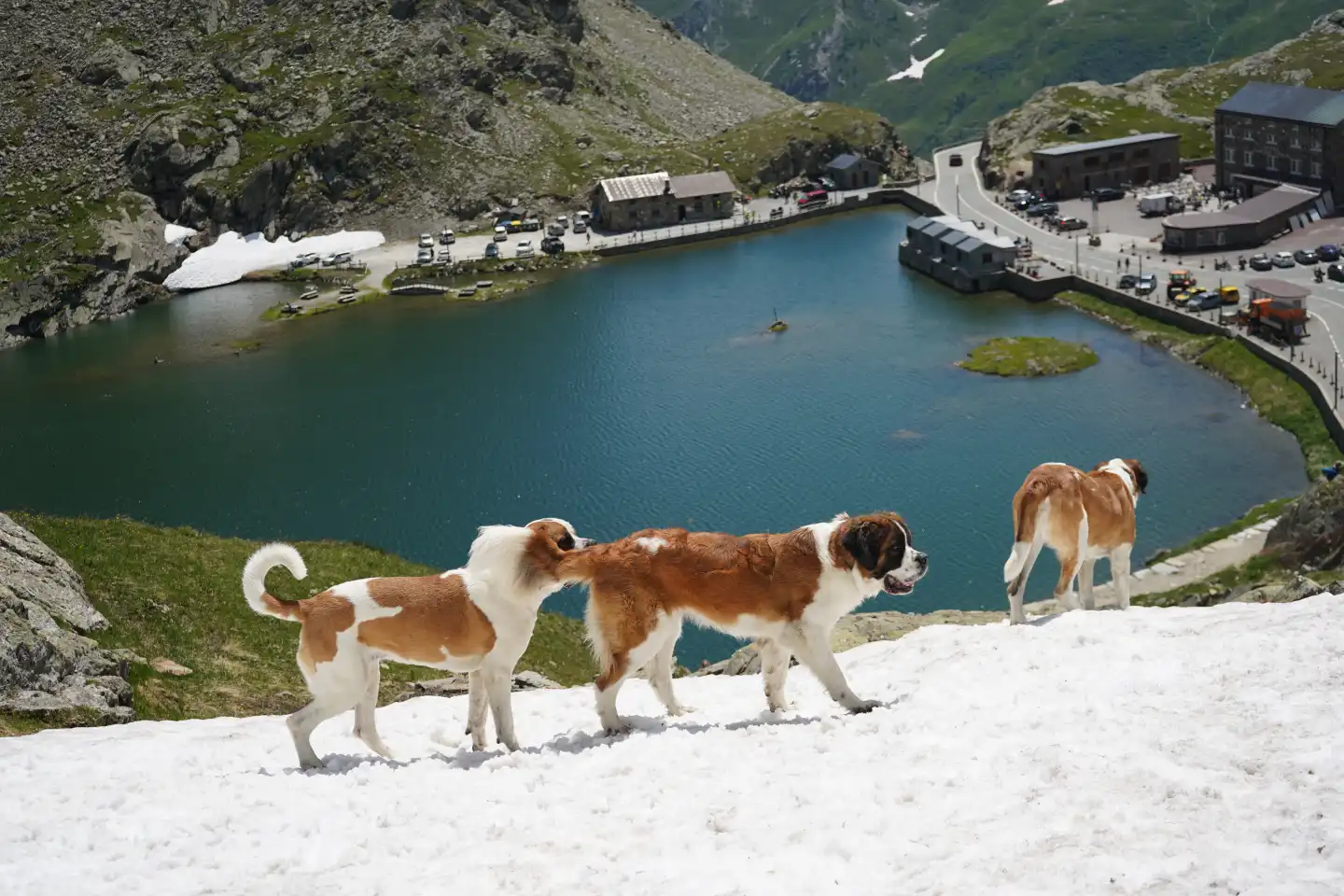
In the Swiss Alps, St. Bernard dogs still walk the same mountain paths their ancestors patrolled centuries ago, even though their job has changed completely. A new museum in Martigny called Barryland is now telling that story to visitors, and in its first year, it pulled in more than 130,000 of them.
Barryland is the only museum in the world built entirely around the history and future of the St. Bernard breed.
A Museum Built for Growing Interest
Barryland replaced an older, smaller museum that couldn’t keep up with demand. The new space lets visitors watch grooming sessions, observe canine physiotherapy, explore the Great St. Bernard Pass through augmented reality, and meet the dogs in person.
Director Mélanie Glassey-Roth said the response confirmed something the foundation already suspected.
“There is enormous interest in these dogs and the incredible heritage they represent,” she said. “We wanted to create a place where people could truly understand their story.”
The Pass That Created the Legend
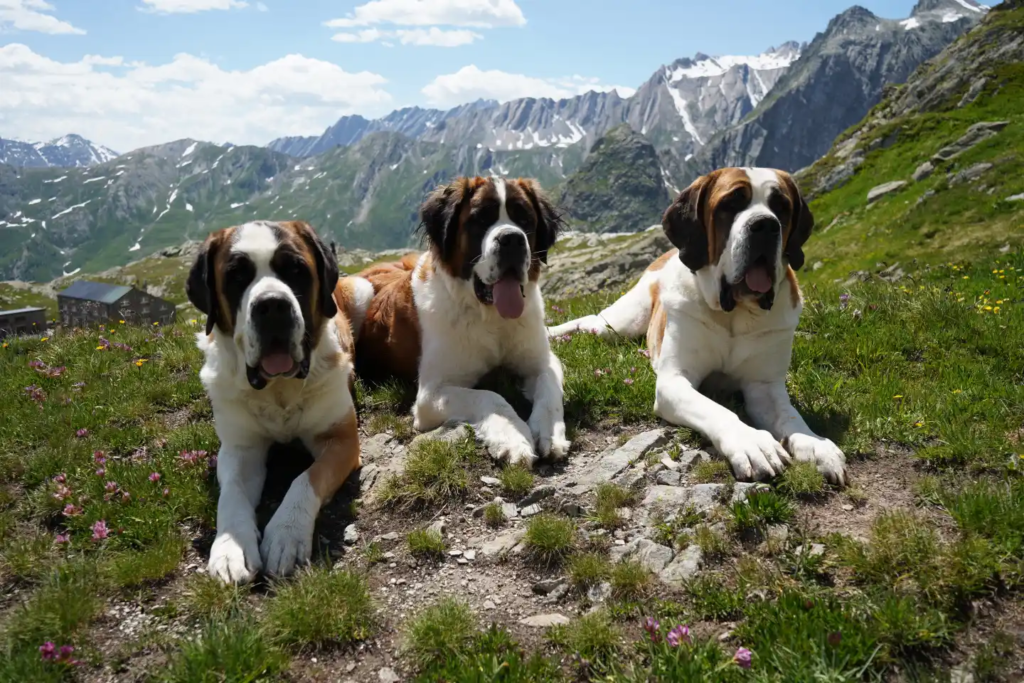
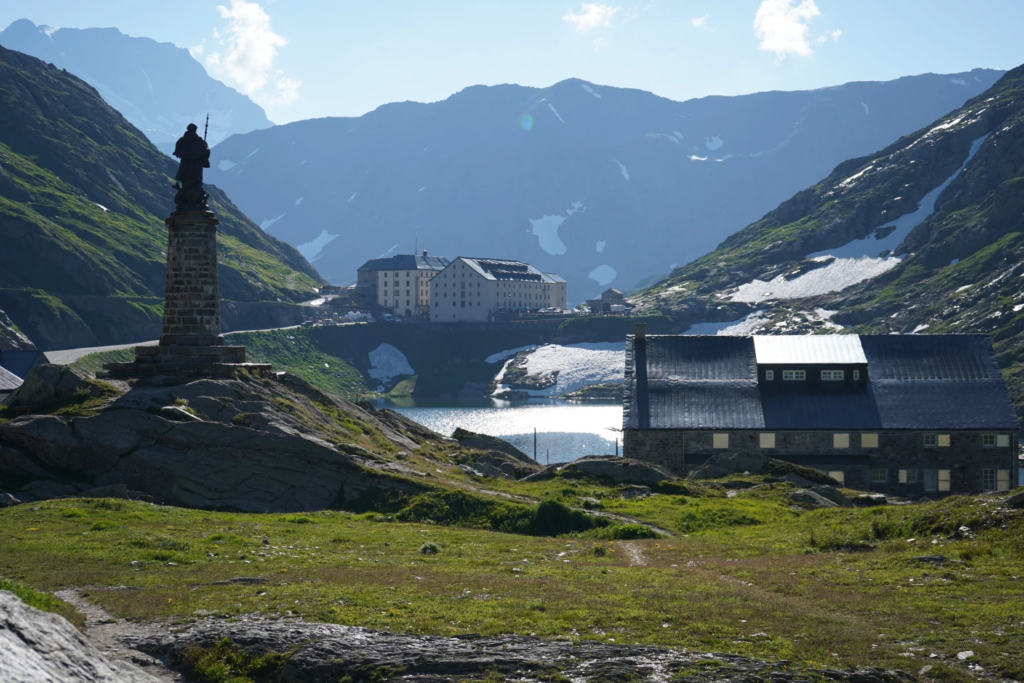
The Great St. Bernard Pass sits at roughly 2,469 meters and connects Switzerland to Italy. Merchants, pilgrims and soldiers have crossed it for more than a thousand years, often in brutal conditions. Snowstorms and avalanches regularly buried travelers attempting the route.
In 1050, the monk Bernard de Montjoux founded the Great St. Bernard Hospice to give those travelers a place to rest and shelter from the weather.
Dogs arrived at the hospice in the mid-1600s, originally just to guard the property and keep the monks company. Over time, the monks noticed the dogs could detect people buried in snow and move through conditions that left humans lost. Their size, stamina and sense of smell made them suited for the job, and their reputation spread across Europe, especially after Napoleon’s troops crossed the pass in the early 1800s.
Barry, the Dog Behind the Name
The most famous of these dogs was Barry, who worked at the hospice from 1800 to 1812 and is credited with saving more than 40 lives. His rescues became part of Alpine folklore.
The Barry Foundation now keeps one male dog named Barry at all times in his honor.
Running the Breeding Program Today
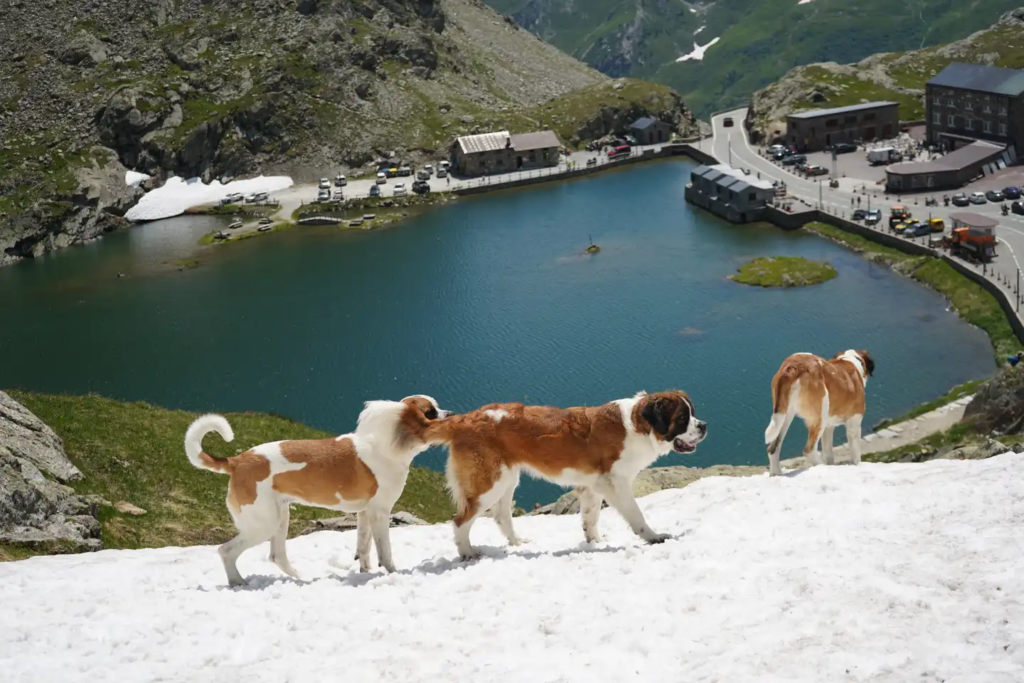
The Barry Foundation employs 21 caretakers who look after 32 dogs, with around 20 pedigree puppies born each year. The dogs no longer perform mountain rescues, but the foundation still treats preserving the breed as its main job. The dogs spend summers at the hospice in the Alps and return to kennels in Martigny for winter.
St. Bernards stopped doing rescue work mainly because of their size. Adult dogs are too large and heavy to move quickly by helicopter during an emergency, so rescue teams now rely on smaller breeds like Australian shepherds, border collies and German shepherds instead. A handful of St. Bernards remain at the pass to keep the tradition visible to visitors.
What It Costs to Keep Giants
The foundation’s dogs eat about 10 metric tons of dry food a year. Their care also covers veterinary visits, physiotherapy, training and educational programs.
Keeper Alexandra Piatti said the job is about more than feeding and grooming.
“We see them being born, becoming adults and eventually becoming mothers themselves,” she said. “We guide them through every stage of life and build very close relationships with them.”
A New Kind of Service
St Bernards no longer search for stranded travelers, but they’ve taken on a different role. In 2025, foundation dogs made more than 600 visits to hospitals, nursing homes, schools, rehabilitation centers and prisons, working as therapy animals for people dealing with illness or isolation.
Keeper Déborah Dini sees it as a continuation of what the breed has always done.
“We continue the tradition,” she said. “We care for them, and we love them.”
The St. Bernard remains one of Switzerland’s most recognizable symbols, and more than 350 years after the breed’s ancestors started working the Alpine passes, Barryland and the Barry Foundation are making sure that history stays visible to the people who visit Martigny and the pass itself.