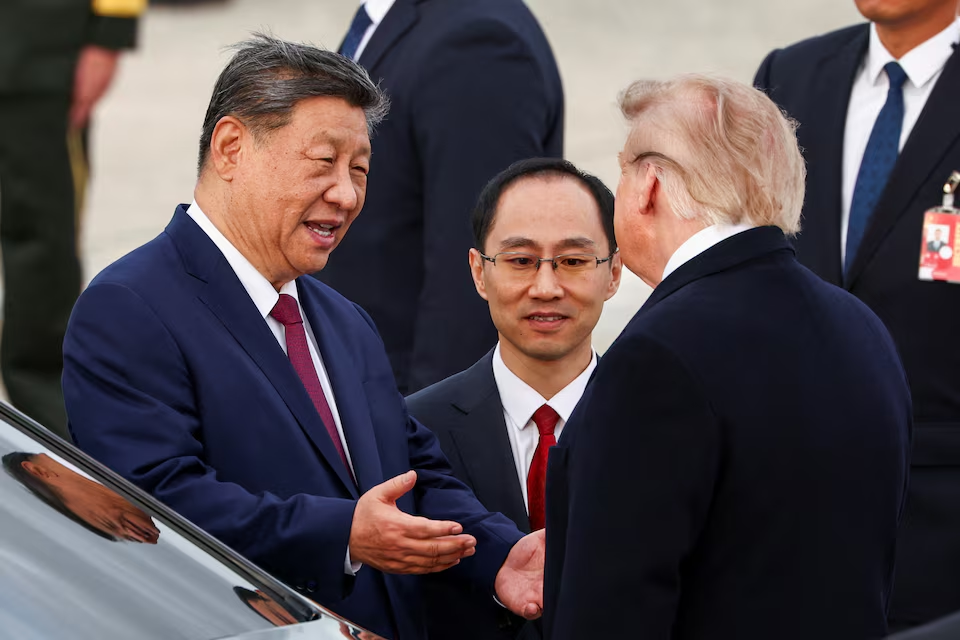

China has renewed export licenses for more than 400 American beef processing facilities, marking a significant breakthrough in agricultural trade relations following high-level talks between U.S. President Donald Trump and Chinese President Xi Jinping in Beijing.
The decision, confirmed Friday through updates on China’s customs database, comes after months of uncertainty that had disrupted a major export market for U.S. beef producers. Industry leaders described the move as a positive sign for trade stability between the world’s two largest economies after years of tariff disputes and regulatory tensions.
Trade Tensions Had Disrupted U.S. Beef Exports
The approvals are viewed as an important step toward easing trade friction that escalated during the recent economic standoff between Washington and Beijing. U.S. beef exports to China reached a record value of about $1.7 billion in 2022 before the sector was hit by licensing delays and market restrictions.
Over the past year, more than 400 American meat processing plants lost authorization to export beef to China after registrations issued between 2020 and 2021 expired without renewal. Those facilities represented roughly two-thirds of the previously approved U.S. beef exporters.
The expiration of licenses created uncertainty for ranchers, meatpackers and exporters who rely heavily on international markets for sales growth.
Dan Halstrom, chief executive of the U.S. Meat Export Federation, welcomed the development and said Chinese buyers had been eager to resume normal trade flows.
According to the federation, China granted five-year extensions to 425 U.S. beef establishments whose approvals had lapsed. Beijing also issued fresh five-year registrations for an additional 77 American facilities.
Summit Diplomacy Helped Break the Deadlock
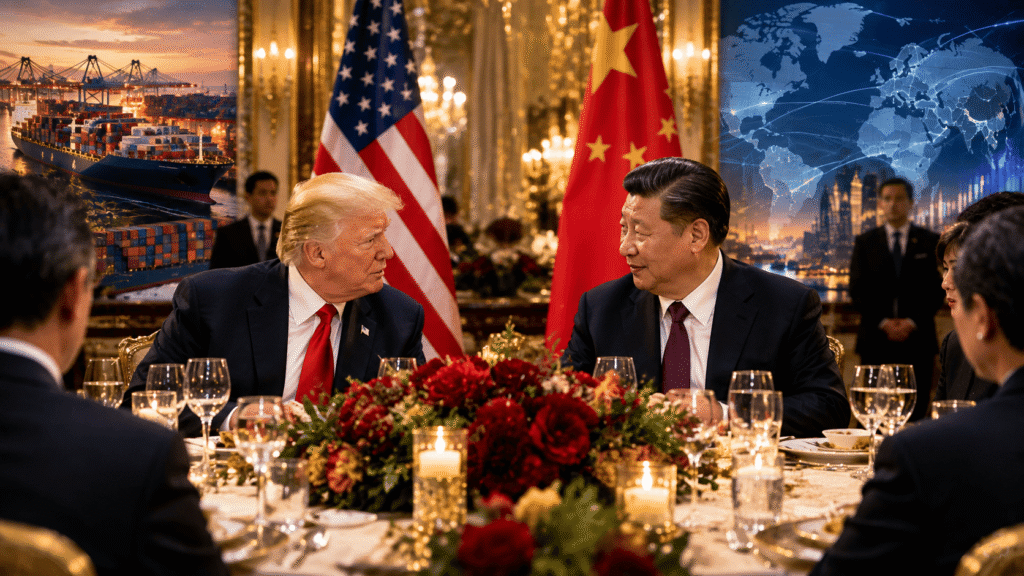
The renewal came shortly after Trump and Xi concluded a closely watched summit in Beijing aimed at stabilizing trade and geopolitical relations.
White House officials had reportedly assured American ranchers in recent weeks that market access for agricultural products would be a key topic during the summit discussions.
Reuters reported earlier that the approvals appeared to have been finalized while the two leaders were meeting, although Chinese customs authorities briefly paused publication of the clearances before later confirming them publicly.
China’s Foreign Minister Wang Yi later stated that both governments had agreed to address concerns surrounding agricultural trade and market access, suggesting broader negotiations may continue in the months ahead.
The move is also being interpreted as a diplomatic gesture designed to improve economic ties at a time when both countries are seeking to manage tensions over technology, tariffs and global supply chains.
Tight U.S. Supply Limits Export Potential
Despite the renewed access to China’s massive consumer market, analysts caution that American beef exports are unlikely to surge immediately.
The United States is currently facing one of its tightest cattle supply situations in decades. The national cattle herd has fallen to its lowest level in roughly 75 years due to drought conditions, rising feed costs and long-term industry contraction.
As supplies shrink, beef prices in the U.S. have climbed to record highs this year, increasing pressure on consumers and food businesses.
Commodity analyst Austin Schroeder of Brugler Marketing & Management noted that the domestic supply crunch may limit how much beef exporters can ship overseas, even with renewed Chinese demand.
“We don’t really have the supply to be exporting aggressively right now,” Schroeder said, pointing to strong domestic consumption and limited inventory.
The supply shortage has become such a concern that the Trump administration is reportedly considering measures to increase beef imports into the United States to help cool rising prices.
Major U.S. Companies Stand to Benefit
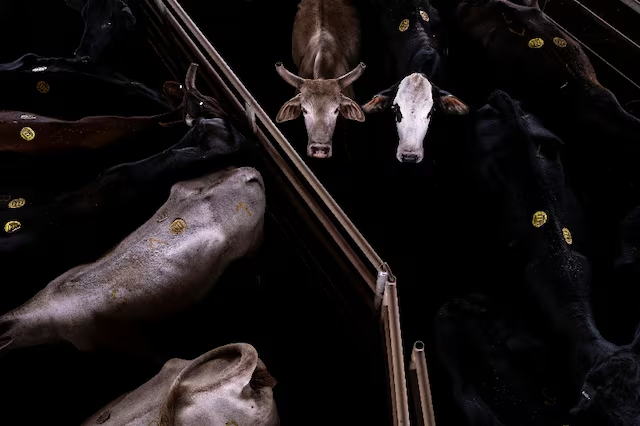
Several of the newly approved facilities are owned by some of America’s largest meat producers, including Cargill. The company’s CEO, Brian Sikes, was among a group of prominent U.S. business leaders who accompanied Trump during his China visit.
The renewed licenses are expected to benefit meatpacking giants, cattle ranchers, logistics firms and agricultural exporters that have struggled with restricted access to the Chinese market.
China remains one of the world’s largest beef importers due to growing consumer demand driven by rising incomes and changing dietary preferences. American beef is particularly valued in China’s premium restaurant and hospitality sectors.
Agricultural Trade Remains a Key U.S.-China Issue
Agricultural exports have long played a central role in U.S.-China trade negotiations. American farmers and ranchers were among the industries hardest hit during previous tariff battles between the two countries.
The latest licensing agreement may help restore confidence within the agricultural sector, though broader trade disputes remain unresolved.
Analysts say the success of the renewed export arrangement could influence future negotiations on other agricultural products, including pork, poultry and grain exports.
While challenges remain, the decision to restore access for hundreds of U.S. beef plants signals a willingness by both Washington and Beijing to preserve at least some economic cooperation despite ongoing geopolitical rivalry.