
A fragile ceasefire between the United States and Iran appeared to remain in place on Saturday, despite a series of new military confrontations in the Gulf that underscored how volatile the regional standoff remains. Fresh U.S. strikes on Iranian oil tankers, arrests in Bahrain linked to Iran’s Revolutionary Guard, and ongoing diplomatic maneuvering have all added to uncertainty over whether the truce can survive.
The latest developments come as Washington continues to press Tehran to accept a broader agreement that would reopen the strategically critical Strait of Hormuz, curb Iran’s nuclear activities, and reduce military tensions across the Middle East.
While both sides have avoided returning to full-scale warfare, recent incidents have shown how quickly the situation could escalate again.
U.S. Targets Iranian Oil Tankers
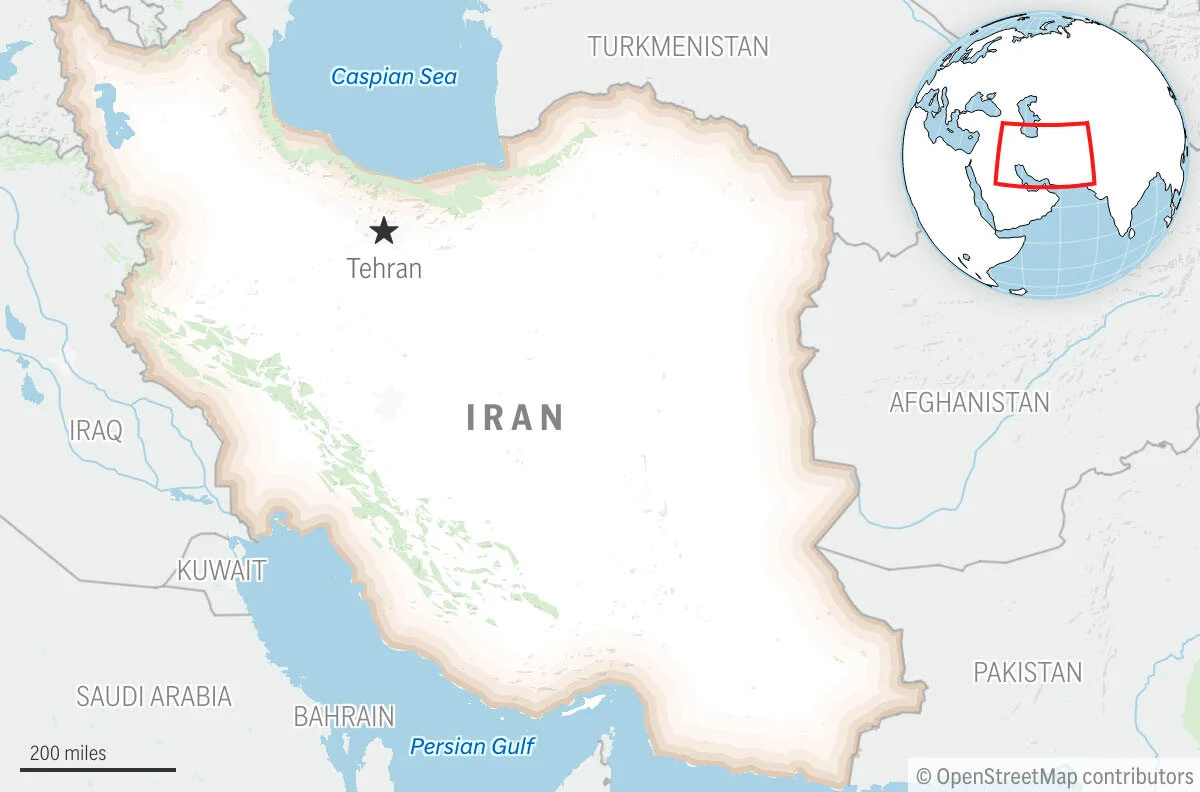
The U.S. military announced Friday that it had disabled two Iranian oil tankers accused of attempting to violate an American naval blockade around Iranian ports. According to U.S. officials, the vessels were intercepted after allegedly trying to move through restricted maritime zones established during the ongoing conflict.
American forces also reported thwarting attacks on three U.S. Navy ships operating near the Strait of Hormuz. In response, the military said it launched strikes against Iranian military facilities positioned along the narrow waterway.
The incidents represent some of the most serious confrontations since a ceasefire was declared roughly one month ago. Although Washington maintains that the truce remains intact, the attacks have raised concerns among analysts and diplomats that the region could slip back into open conflict.
The Strait of Hormuz remains one of the world’s most strategically important shipping routes, with roughly one-fifth of global oil supplies passing through the narrow corridor. Since the outbreak of fighting earlier this year, shipping traffic has been severely disrupted, sending energy prices soaring and rattling international markets.
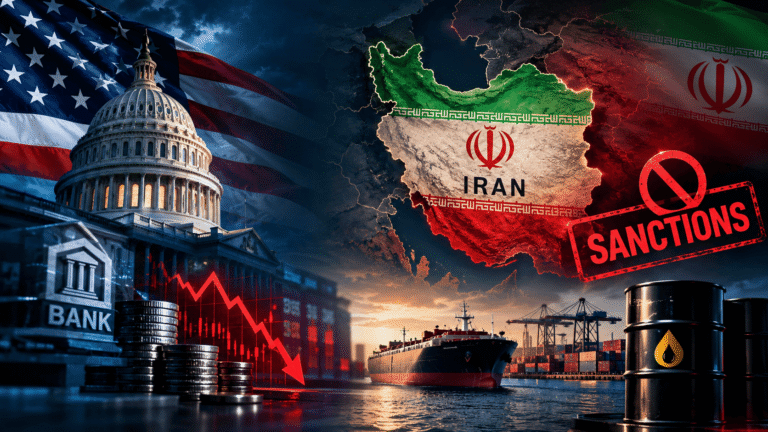
Iran has largely restricted commercial access through the strait since the conflict began on February 28, when U.S. and Israeli forces launched coordinated attacks targeting Iranian military and nuclear facilities. In response, Washington imposed its own restrictions on vessels entering or leaving Iranian ports.
Bahrain Announces Arrests Linked to Iran
Adding another layer of tension to the regional crisis, Bahrain announced on Saturday that authorities had arrested 41 individuals allegedly connected to Iran’s Revolutionary Guard Corps.
The Bahraini Interior Ministry said the suspects were part of a network affiliated with Iran, although officials provided few details about the alleged activities or evidence gathered during the investigation. Authorities said the inquiry remains ongoing.
Bahrain occupies a sensitive position in the Gulf. The small island kingdom hosts the headquarters of the U.S. Navy’s Fifth Fleet and has long been a key American ally in the region. At the same time, Bahrain has a Shiite-majority population ruled by a Sunni monarchy, creating deep political and sectarian tensions.
Human rights organizations have accused Bahraini authorities of using regional instability as justification for suppressing dissent and targeting opposition groups. Critics argue that accusations of Iranian links are sometimes used to crack down on domestic political activism.
The Bahraini government has repeatedly denied such claims, insisting that national security threats tied to Iran are genuine and ongoing.
Britain and France Prepare Naval Security Mission
As uncertainty continues around commercial shipping in the Gulf, Britain announced it would deploy the destroyer HMS Dragon to the Middle East in preparation for a possible multinational maritime security mission.
The British Defense Ministry said the vessel would be positioned in the region ahead of any future operation designed to protect commercial shipping through the Strait of Hormuz once conditions stabilize.
France has also increased its military presence, recently moving an aircraft carrier strike group into the Red Sea. British and French officials have been coordinating discussions with dozens of countries on plans for a broader coalition aimed at restoring safe navigation in the Gulf.
However, European governments have stressed that no full-scale escort operation will begin until there is greater confidence that the ceasefire can hold and commercial vessels can safely transit the region without becoming targets.
Shipping companies and insurers remain cautious, with many reluctant to resume normal operations due to fears of mines, drone strikes, or attacks from fast-moving military boats.
Trump Pushes for Broader Agreement
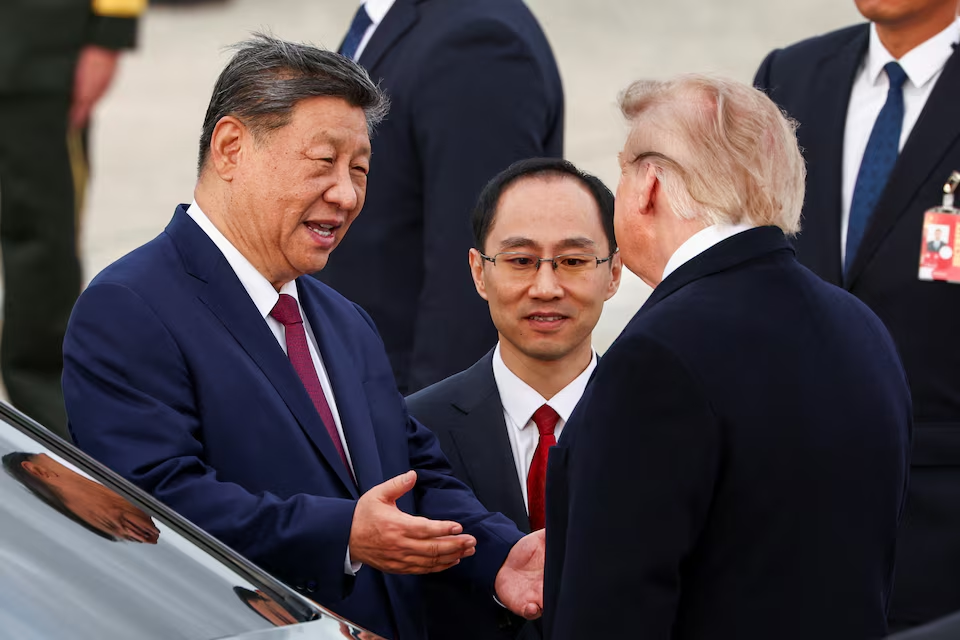
U.S. President Donald Trump has continued to express optimism that a wider diplomatic breakthrough remains possible. Speaking this week, Trump insisted that the ceasefire was largely holding and suggested negotiations could eventually produce a broader peace arrangement.
At the same time, the president reiterated warnings that the United States could resume extensive military operations if Iran refuses to cooperate on reopening the Strait of Hormuz or limiting its nuclear activities.
Washington’s demands include tighter restrictions on Iran’s uranium enrichment program and expanded international oversight of Tehran’s nuclear facilities. U.S. officials have repeatedly expressed concern over Iran’s growing stockpile of highly enriched uranium, which they say could potentially be used in a nuclear weapons program.
Iran continues to deny seeking nuclear weapons, insisting its nuclear activities are intended solely for peaceful civilian purposes.
Iranian officials have shown little urgency in responding to Washington’s latest proposal. Foreign Ministry spokesperson Esmail Baghaei said Friday that Tehran was not focused on American “deadlines,” signaling resistance to outside pressure.
Iranian lawmakers and hardline political figures have also criticized the U.S. approach, accusing Washington of attempting to impose conditions through military intimidation.
Questions Surround Iran’s Supreme Leader
Speculation over the health and status of Iran’s Supreme Leader intensified this week after he remained absent from public view since the conflict began.
On Friday, Iranian official Mazaher Hosseini sought to calm rumors by stating that Supreme Leader Mojtaba Khamenei was in “complete health” and would eventually reappear publicly.
According to Hosseini, Khamenei sustained knee and back injuries during the early stages of the conflict but has largely recovered.
The lack of public appearances had fueled widespread speculation across social media and international media outlets regarding his condition and influence over Iran’s strategic decisions during the crisis.
Iranian authorities have dismissed those rumors as baseless.
Diplomacy Continues Behind the Scenes
Despite ongoing military incidents, diplomatic efforts to preserve the ceasefire and negotiate a broader agreement remain active.
Pakistani Prime Minister Shehbaz Sharif said his government has maintained constant communication with both Tehran and Washington in an attempt to prevent a return to war. Pakistan has emerged as one of several regional intermediaries trying to bridge the divide between the two sides.
Russia and Saudi Arabia have also called for intensified diplomatic engagement. Russia’s Foreign Ministry said Saturday that Moscow supports efforts aimed at achieving a “sustainable, long-term agreement” capable of stabilizing the region.
Meanwhile, top diplomats from Egypt and Qatar reiterated during a phone conversation that diplomacy remains the only viable solution to the crisis.
Regional leaders fear that a prolonged conflict could devastate global energy markets, destabilize neighboring countries, and trigger broader military confrontations involving multiple regional powers.
Global Markets Watch Closely
Financial markets continue to react sharply to every new development in the Gulf crisis.
Oil prices surged earlier this year after shipping disruptions intensified in the Strait of Hormuz, though hopes for a diplomatic breakthrough have recently eased some pressure on energy markets.
Investors remain highly sensitive to signs of escalation, particularly any indication that commercial shipping routes could remain blocked for an extended period.
Analysts warn that even with a ceasefire technically in place, the continued exchange of military actions demonstrates how fragile the situation remains.
For now, the uneasy calm in the Gulf reflects a conflict that may have paused — but is far from resolved.