
A sharp new escalation in tensions between the United States and Iran unfolded this week after U.S. forces launched strikes on multiple targets in southern Iran, following reports that an American Apache helicopter had been shot down near the Strait of Hormuz.
The military action marks one of the most serious confrontations between the two countries in recent months and has raised concerns that an already fragile situation in the Gulf could deteriorate further.
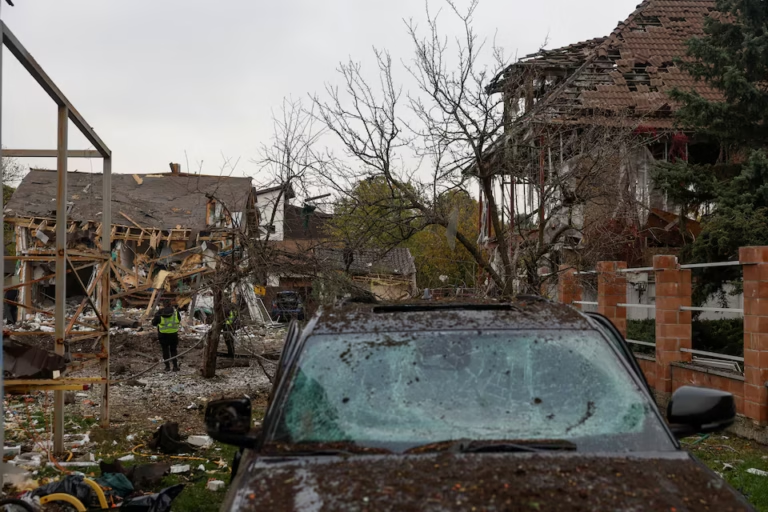
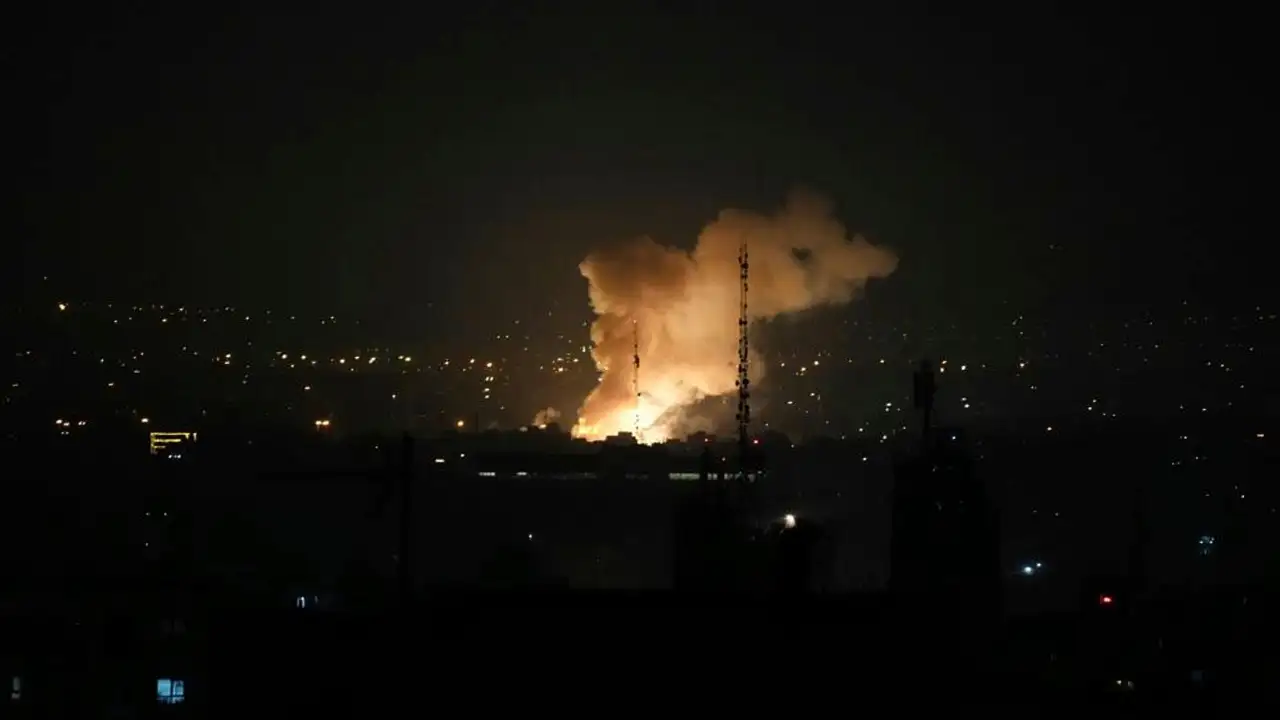
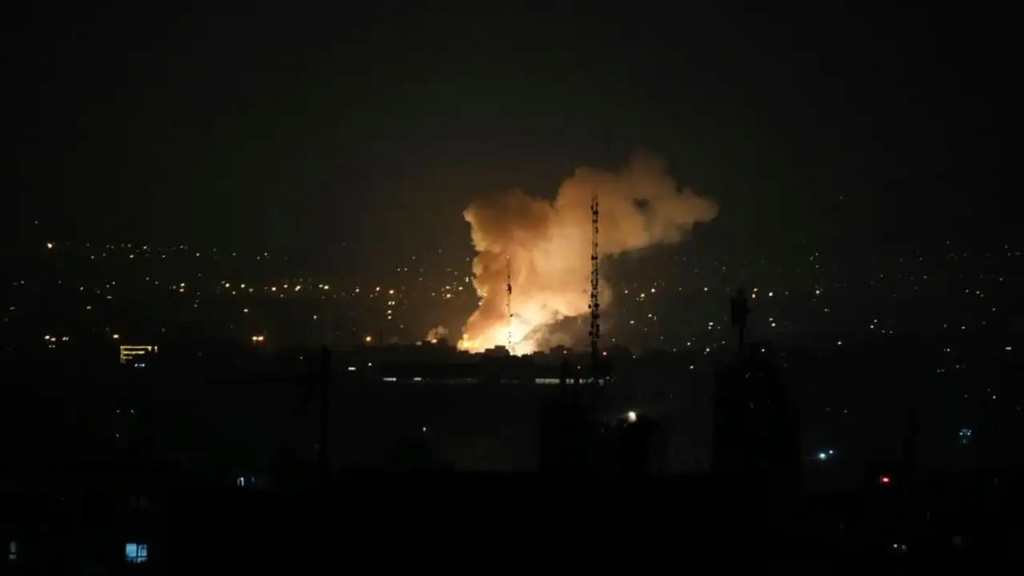
Explosions were reported in several parts of Iran, including Sirik, Minab, Isfahan, and Qeshm Island, as U.S. military operations expanded across the region. While the full extent of the damage remains unclear, the strikes have intensified fears that both countries may be moving closer to a wider conflict.
Helicopter Incident Triggers U.S. Response
The latest developments began after President Donald Trump said an American Apache helicopter was brought down by Iranian forces during operations near the Strait of Hormuz.
Although military officials have released few details about the incident, Trump described it as a direct attack on U.S. forces and signaled that Washington would respond.
The Apache is one of the U.S. military’s most advanced attack helicopters, often deployed for reconnaissance missions, air support, and security operations in conflict zones.
According to preliminary reports, the aircraft was operating near one of the world’s most sensitive maritime corridors when it was allegedly targeted.
Questions remain about exactly how the helicopter was brought down and what happened in the moments that followed. U.S. officials have not provided a detailed account of the incident, but military sources indicated that efforts were made to recover personnel involved.
For Washington, however, the message was clear: the incident crossed a line that demanded a response.
Explosions Reported Across Iran
Within hours of the reported helicopter attack, residents in several Iranian cities began reporting explosions.
Some of the most significant reports came from Sirik and Minab, both located near the Strait of Hormuz, where military infrastructure and strategic facilities are concentrated.
Additional blasts were reported on Qeshm Island, a key Iranian position overlooking vital shipping lanes in the Gulf.
In central Iran, reports also emerged of explosions near Isfahan, a city known for housing important industrial and military sites.
Iranian authorities have not yet released a complete assessment of the strikes, and independent verification of damage remains difficult. However, local reports suggest that air defense systems were activated in multiple areas as the attacks unfolded.
The strikes appear to have focused on military-related targets rather than civilian locations, though officials on both sides have provided limited information about the specific objectives.
Strait of Hormuz Remains a Global Flashpoint
The latest confrontation once again highlights the importance of the Strait of Hormuz, a narrow waterway that has long been at the center of tensions between Iran and the United States.
The strait serves as one of the world’s most critical energy corridors, carrying a substantial share of global oil and natural gas exports.
Any military activity in or around the area immediately attracts international attention because of its potential impact on global energy markets and maritime trade.
Over the years, the waterway has witnessed numerous confrontations involving military vessels, commercial shipping, and regional powers. Analysts have frequently warned that even a limited incident could trigger broader instability.
The latest exchange of military action has renewed those concerns.
Growing Anxiety Across the Region
Regional governments are closely monitoring developments as fears grow that the situation could spiral beyond a localized confrontation.
Middle Eastern countries, many of which have worked to avoid becoming caught between Washington and Tehran, now face renewed uncertainty about regional security.
The prospect of further military exchanges is particularly concerning for Gulf states whose economies depend heavily on stable shipping routes and energy exports.
International markets have also reacted cautiously whenever tensions around Hormuz escalate, with investors closely watching for signs that trade routes could be disrupted.
While there have been no immediate reports of major interruptions to maritime traffic, security analysts warn that continued military activity increases risks for commercial vessels operating in the area.
Diplomacy Faces Another Major Test
The latest strikes come at a time when diplomatic efforts to reduce tensions between the United States and Iran were already facing significant challenges.
Months of negotiations aimed at easing regional tensions have produced limited progress, with disagreements over sanctions, military activities, and broader security concerns continuing to divide both sides.
Military incidents such as the reported downing of the Apache helicopter make diplomatic progress even more difficult.
Each new confrontation increases pressure on political leaders and reduces the room for compromise, especially as public sentiment hardens in both countries.
Despite the escalation, diplomats continue to emphasize the importance of keeping communication channels open.
Many regional and international observers argue that preventing a broader conflict will require renewed dialogue alongside efforts to avoid further military retaliation.
A Dangerous Moment for the Gulf
For now, the Gulf region remains on edge.
The reported downing of an American helicopter, followed by U.S. strikes deep inside Iran, has created one of the most tense moments in recent months.
Neither Washington nor Tehran has signaled a desire for full-scale war, but recent events demonstrate how quickly incidents can escalate in a region already burdened by years of conflict and mistrust.
As both governments assess their next moves, the world is watching closely.
The coming days may determine whether the latest confrontation remains a limited military exchange—or becomes the beginning of a much larger crisis with consequences far beyond the Middle East.