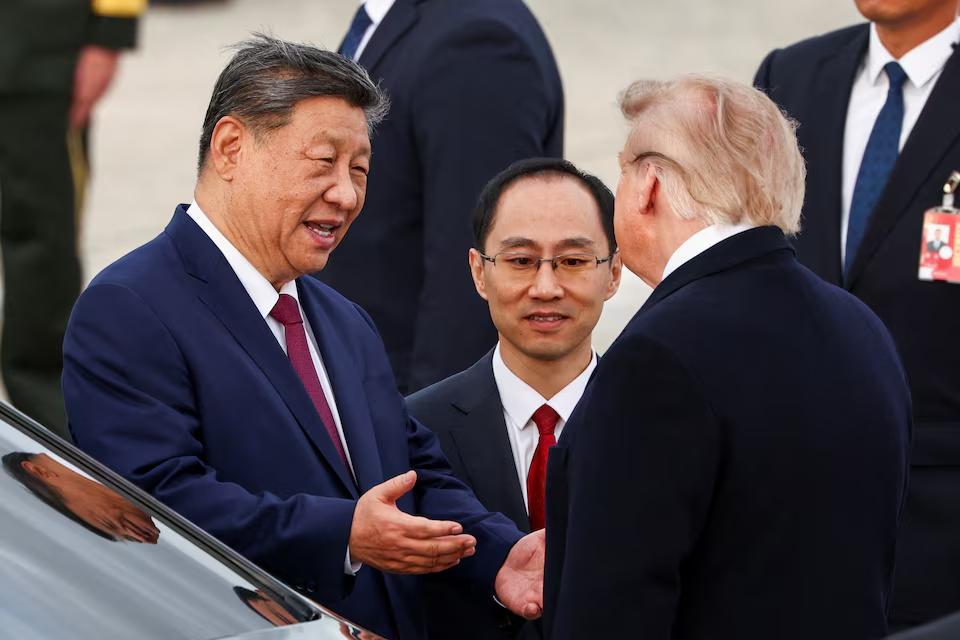

The truce between the United States and Iran hit fresh turbulence this week as the two sides gave contradicting accounts of planned talks in Doha, while new military flare-ups and a standoff over the Strait of Hormuz raised the odds that the four-month conflict could reignite.
Washington said it would send a high-level delegation to Qatar to work on implementing the interim peace deal signed in June. Tehran said no such negotiations were scheduled. That gap in the two stories shows how unstable the ceasefire remains, four months into a truce already strained by military exchanges, shipping disputes, and open questions over Iran’s nuclear program and regional reach.
Conflicting accounts of the Doha meeting
The White House confirmed that President Donald Trump’s administration plans to send a team led by Middle East envoy Steve Witkoff and senior adviser Jared Kushner to Doha this week. White House Press Secretary Karoline Leavitt said the goal is to keep working through the 14-point memorandum of understanding signed in June and resolve issues still blocking a lasting peace.
Iran rejected that framing almost immediately. Foreign Ministry spokesman Esmaeil Baghaei told reporters Tehran has no meetings planned with American officials at any level in the coming days. “We will not have any negotiation meetings with the American side in the coming days,” he said.
Iran confirmed a technical delegation would be in Qatar but said that trip has nothing to do with the American team’s visit. The mismatch between the two governments’ statements has left the diplomatic track looking uncertain.
A ceasefire under strain
The ceasefire, signed June 17, halted a war that began after U.S. and Israeli strikes on Iran on February 28. It gave both sides 60 days to work out several issues: Iran’s nuclear research programs, the fate of its highly enriched uranium stockpile, the reopening of shipping lanes, and a framework for permanent peace.
That progress has stalled. Each side has accused the other of breaking parts of the agreement, and recent missile and drone strikes have raised doubts about whether the truce holds long enough for real negotiations to happen.
The Strait of Hormuz problem
The Strait of Hormuz sits at the center of the dispute. Before the war, close to a fifth of the world’s oil shipments moved through the corridor connecting the Persian Gulf to global markets. Once fighting intensified, traffic through the strait nearly stopped.
That disruption pushed oil prices above $100 a barrel and added to inflation pressure worldwide. For Trump, gas prices have become a political liability heading into November’s congressional elections. Critics have questioned how the administration has handled the crisis, and some lawmakers have objected to military action taken without congressional approval.
Quiet diplomacy may continue regardless
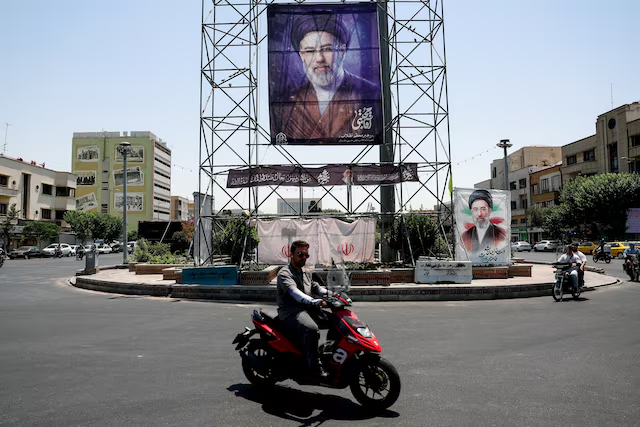
Even with Iran’s public denial, some contact between the two sides appears likely. A senior Iranian official said any Doha discussions would focus on maritime security in the strait and avoiding further escalation. Another official familiar with the matter said American and Iranian technical teams could meet separately, with Qatar and Pakistan serving as go-betweens.
That kind of indirect contact has become standard practice for both governments, letting them communicate without either side appearing to make a political concession.
Shipping fight escalates
Under the ceasefire, Iran agreed to make every effort to keep commercial vessels moving safely through the strait. Traffic briefly picked back up. Then Tehran announced that ships ignoring Iranian-approved routes would not get safe-passage guarantees, and signaled plans to start charging transit fees once the 60-day window closes, a break from how the strait has operated for decades.
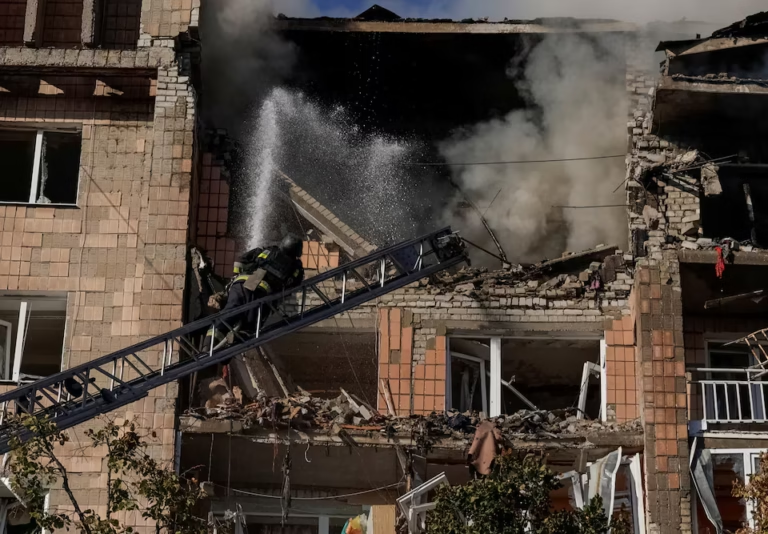
Shipping companies pushed back, and Washington objected as well. The U.S. has accused Iran of attacking two commercial vessels in recent days using missiles and drones, which Tehran denies. U.S. forces struck Iranian military sites over the weekend in response. Iran answered by hitting American military facilities in Kuwait and Bahrain with missiles and drones, underscoring how quickly the situation can turn.
Iran says it’s already gained ground
Despite the tension, Iran pointed to one concrete result from the agreement. President Masoud Pezeshkian said $6 billion in Iranian assets frozen in Qatar will soon be released to Tehran, calling it proof that diplomacy delivers results. A senior Iranian official said talks with Qatar over the technical details of the transfer are nearly finished, with the first installment expected to arrive in two payments. The release is part of broader U.S. sanctions waivers covering segments of Iran’s oil and petrochemical industries.
Markets watch closely
Brent crude rose nearly 1% on Monday as traders weighed the risk that renewed conflict could again disrupt Gulf shipping. Analysts note the market’s sensitivity to the region: even brief interruptions in Hormuz traffic can move global energy supply. Governments and energy firms have started drawing up contingency plans in case the ceasefire breaks down further.
France and Oman step in
Outside powers have started getting more involved. French President Emmanuel Macron said France will work with Oman and other partners to secure shipping routes and reduce the chance of renewed fighting. After meeting Oman’s Sultan Haitham bin Tariq al-Said in Paris, Macron said the two countries agreed to cooperate on de-mining work in the strait, aimed at restoring freedom of navigation and rebuilding confidence among shipping operators.
Lebanon complicates the picture
The instability between Washington and Tehran has spilled into Lebanon as well. A U.S.-brokered deal meant to end cross-border hostilities between Lebanon and Israel is running into resistance. Lebanese Parliament Speaker Nabih Berri, a Hezbollah ally, said the agreement risks deepening divisions inside Lebanon and won’t be carried out.
That conflict started after Hezbollah attacked Israel in support of Iran during the broader regional war. Israel’s military response caused heavy destruction, displaced hundreds of thousands of people, and killed thousands. Iran has continued to insist that any wider peace deal must include an end to Israeli operations in Lebanon and a full troop withdrawal from the south.
What’s at stake
The next few days could determine whether the ceasefire survives. Diplomatic channels remain open, but the conflicting statements and fresh military strikes show how thin the agreement still is. The outcome reaches well past Washington and Tehran. Global oil markets, one of the world’s most important shipping routes, and broader Middle East security all hinge on whether both countries can avoid another round of violence and turn a temporary truce into something permanent.