The Supreme Court blocked President Donald Trump’s attempt to remove Federal Reserve Governor Lisa Cook on Monday, ruling 5-4 in a decision that protects the central bank from direct presidential control. Cook is the first Black woman to serve on the Fed’s Board of Governors.
The ruling marks one of the most important tests of the relationship between the White House and the Federal Reserve in decades. It arrives as tension between Trump and the central bank over interest rates has escalated for months.
On the same day, the court expanded presidential power over other independent agencies in a separate case. That outcome makes Monday’s split decisions notable: the justices drew a sharp line between how much control a president can exercise over the Fed compared with other parts of the federal government.
No president has tried this before
No sitting president has attempted to fire a Federal Reserve governor since the central bank’s founding in 1913. Trump’s push to remove Cook broke that history.
Trump moved to dismiss Cook last August. He cited mortgage fraud allegations tied to properties she owned in Michigan and Georgia. Federal Housing Finance Agency Director Bill Pulte, a Trump appointee, made the allegations public and has called for Cook to face criminal charges.
No charges have been filed. There’s no evidence of an active federal investigation into Cook right now.
Cook has denied the allegations from the start. She argues the accusations were a pretext, used because she wouldn’t support the administration’s preferred path on interest rates.
Roberts says Trump skipped required steps
Chief Justice John Roberts wrote the majority opinion. He found that Trump didn’t follow the legal process required to remove a Fed governor.
Cook never got the chance to challenge the claims against her through the protections the law requires. Roberts put it directly: “Without such protections, she could not properly dispute the charges the president laid against her.”
Justice Brett Kavanaugh, a conservative, joined Roberts and the court’s three liberal justices to form the majority. That lineup crossed the usual ideological split.
The ruling stops short of deciding whether the allegations against Cook hold up, or whether a president can ever remove a Fed governor for cause. The case now goes back to lower courts for that fight.
Why the Fed gets special treatment
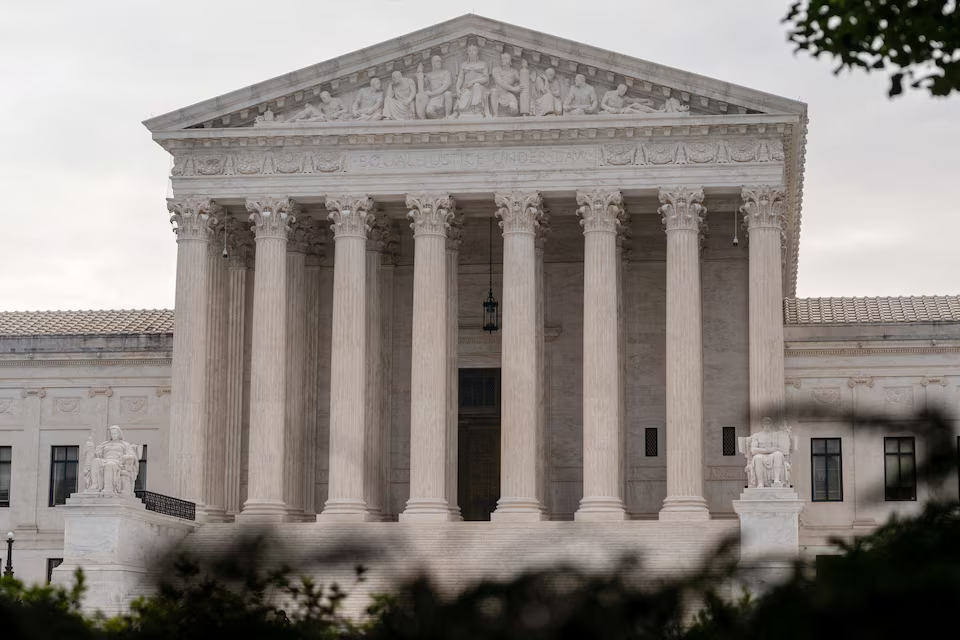
The Federal Reserve sets interest rates, manages inflation, and oversees the stability of the financial system. Its choices touch mortgage rates, hiring, and investment decisions across the country. That reach is part of why Congress built the Fed to operate outside direct presidential control, Roberts wrote.
Fed governors serve staggered 14-year terms. They can only be removed “for cause,” a bar that courts have historically read as requiring real misconduct, not disagreement over policy.
Roberts wrote: “We see no reason to leave the public in limbo, or to sow doubt as to the status of one of our nation’s and the world’s most important financial institutions.”
He also traced the history of U.S. central banking, arguing that keeping the Fed away from political interference has long been treated as necessary for economic stability.
Cook: “I refused to bow to political pressure”
Cook responded to the ruling with a statement defending her record. “This was never about mortgage documents signed years before I became a Federal Reserve governor,” she said.
She added: “It was an attempt to remove me on a manufactured pretext because I refused to bow to political pressure and continued to set interest rates based only on what would best serve the American people.”
Cook is one of several Fed officials who pushed back against Trump’s calls for faster rate cuts. Trump has argued repeatedly that the Fed moves too slowly and that lower rates would speed up growth. The fight has pulled the historically quiet central bank into the political spotlight.
Trump vows “appropriate action”
Trump reacted with anger, framing the ruling as a narrow procedural loss. On social media, he wrote: “The Cook lawsuit, having to do with her suitability in sitting on the Board of the Federal Reserve, was sent back by the Supreme Court on a strictly procedural basis.”
He added: “We will take appropriate action immediately to make sure that someone who has committed wrongdoing will not be making vital decisions concerning the welfare of the United States.” His statement signals the administration plans to keep fighting for Cook’s removal.
A win for Trump in a separate case
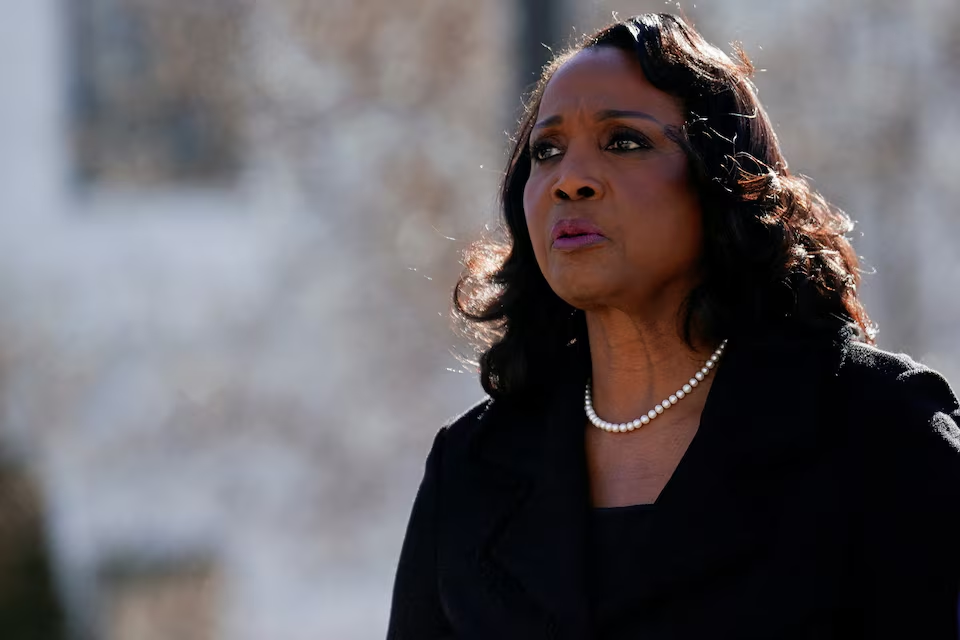
The court handed Trump a different victory the same day. In a 6-3 ruling, the justices upheld his removal of Federal Trade Commission member Rebecca Slaughter and overturned Humphrey’s Executor v. United States, the 1935 precedent that has long limited a president’s power to fire officials at independent agencies.
That decision broadens presidential authority over agencies well beyond the Fed and could reshape how Washington operates for years. Trump called it one of the most significant rulings on presidential power in the country’s history.
Allegations against Cook remain unproven
The mortgage fraud claims trace back to a criminal referral Pulte sent to the Justice Department. He has repeated the allegations publicly, but no evidence has surfaced to back them, and prosecutors haven’t filed charges.
A federal judge had already ruled that the claims likely didn’t meet the legal bar for removing Cook, partly because the alleged conduct happened before she joined the Fed. That same judge found Trump’s removal attempt likely violated Cook’s right to due process.
Sharp splits among the justices
The ruling revealed deep disagreement on the court. Justice Clarence Thomas dissented forcefully, writing: “The president can remove Cook for any reason he wants and by any procedure he wants.”
Justice Amy Coney Barrett criticized the majority for leaning too hard on historical precedent. Justices Samuel Alito and Neil Gorsuch argued the ruling reached too far into broader constitutional questions that didn’t need to be settled yet.
A bigger fight over Fed independence
Cook’s case is one piece of a wider conflict between Trump and the Fed. The administration also opened an investigation into former Fed Chair Jerome Powell over cost overruns tied to renovations at the central bank’s Washington headquarters.
Powell described the probe as an attempt to pressure the Fed into cutting rates. A federal judge later blocked the investigation, and prosecutors dropped it.
Legal scholars and economists have pointed to the cases against Cook and Powell together as the sharpest challenge to the Fed’s independence in more than a hundred years.
What comes next
The case returns to lower courts, where judges will decide whether the allegations against Cook amount to legal cause for removal and whether the administration followed the right process.
Cook keeps her seat on the Fed board for now and continues voting on monetary policy. The ruling tells financial markets that the Supreme Court intends to keep the Fed insulated from direct political pressure, even as that pressure builds.
The legal fight over Cook’s position is likely to remain one of the central constitutional questions of Trump’s second term.