
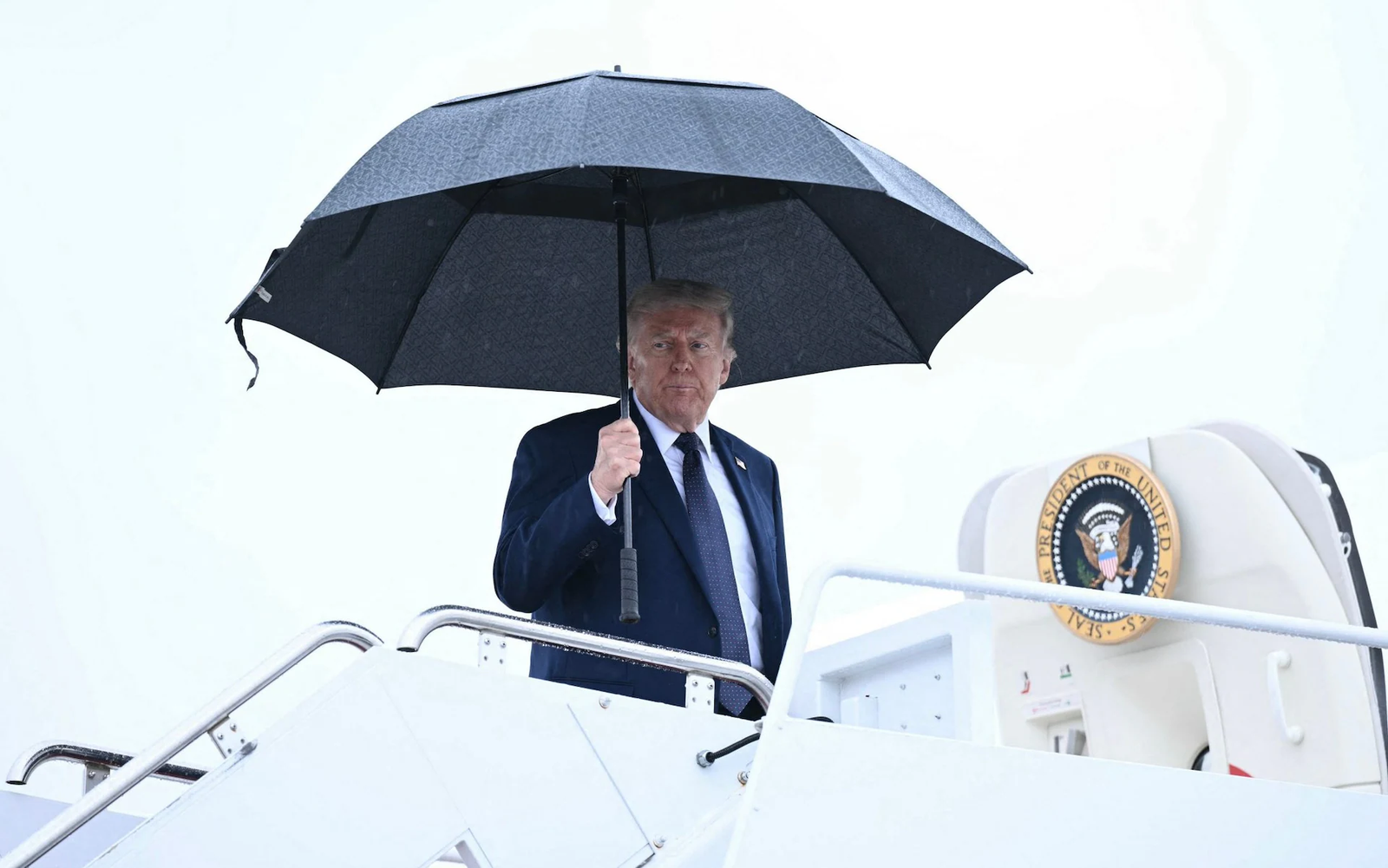
U.S. President Donald Trump has canceled a planned weekend trip to New Jersey and announced he will not attend his son Donald Trump Jr.’s wedding in the Bahamas, choosing instead to remain in Washington as high-level diplomatic efforts aimed at easing tensions with Iran continue behind closed doors.
The unexpected decision underscores the seriousness of the ongoing negotiations and reflects the growing pressure on the White House as peace talks remain fragile while military options reportedly stay on the table.
Trump’s move came shortly after he held a national security meeting at the White House on Friday, fueling speculation that the administration may be approaching a decisive moment in its handling of the Iran crisis.
Trump Prioritizes White House Duties Over Family Event
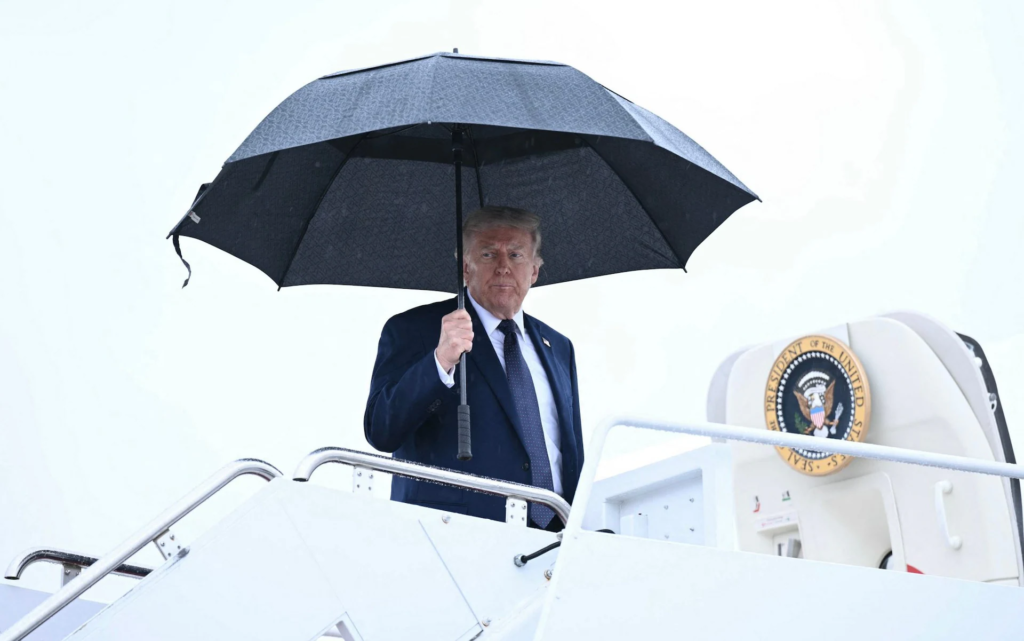
In a post shared on Truth Social, Trump confirmed he would miss his son’s wedding due to pressing government responsibilities.
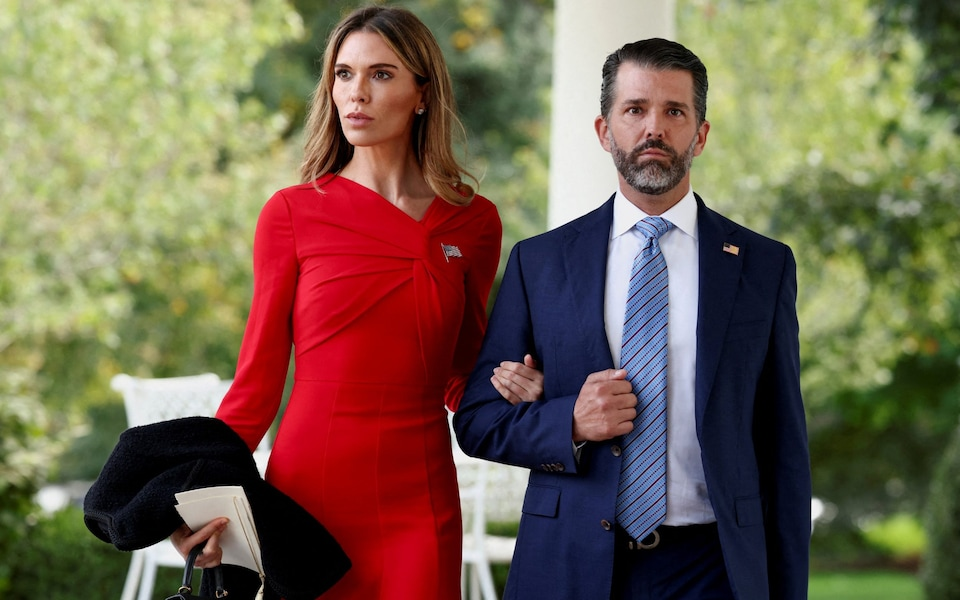
The president had been expected to travel to the Bahamas to attend the ceremony involving Donald Trump Jr. and his fiancée Bettina Anderson. However, changing geopolitical circumstances altered those plans.
“While I very much wanted to be with my son and welcome the newest member of our family, circumstances pertaining to government do not allow me to leave Washington,” Trump wrote.
He added that remaining at the White House during what he called an “important period of time” was necessary.
The announcement marked a rare public acknowledgment of the intensity surrounding ongoing diplomatic efforts with Tehran.
Iran Talks Reach Delicate Stage
Trump’s decision came as international mediators intensified efforts to bridge differences between Washington and Tehran.
A Pakistani delegation led by Army Chief General Asim Munir reportedly arrived in Tehran carrying what was described as the latest U.S. proposal aimed at reviving negotiations and avoiding further military escalation.
Pakistan has increasingly positioned itself as an intermediary in regional diplomacy, maintaining relations with both Western allies and key Middle Eastern players.
At the same time, Qatari officials were reportedly holding parallel discussions with Iranian representatives as Gulf states sought to prevent another escalation in the region.
Despite the diplomatic activity, Iranian officials publicly downplayed expectations of a breakthrough.
Iranian Foreign Ministry spokesman Esmaeil Baqaei stated that Pakistan’s involvement did not necessarily indicate that negotiations had reached a turning point.
According to regional reports, several major disagreements remain unresolved.
Strait of Hormuz Remains Major Sticking Point
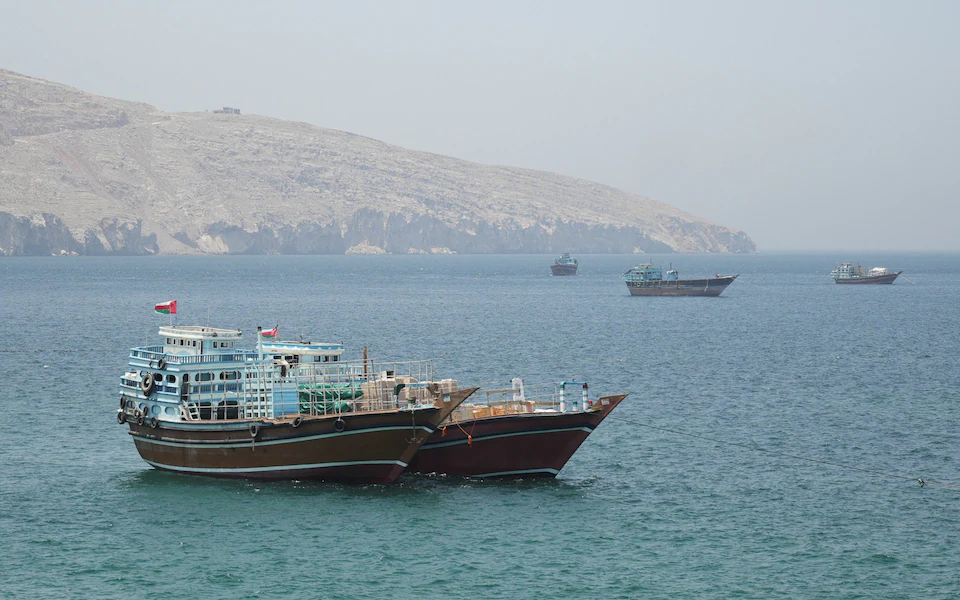
One of the central issues reportedly dividing negotiators involves the future status of the Strait of Hormuz.
The narrow waterway remains one of the world’s most strategically important energy corridors, handling a significant share of global oil shipments.
Iran has reportedly linked parts of its negotiation demands to guarantees concerning maritime access and regional security arrangements.
Western officials remain concerned about any move that could affect navigation through the strait or alter existing security frameworks.
The issue has become even more sensitive following earlier disruptions in Gulf shipping routes and fears of broader instability across energy markets.
Analysts believe the Hormuz question may become one of the final and most difficult barriers to any agreement.
Trump Signals Frustration as Military Option Re-Emerges
While diplomatic channels remain active, reports suggest Trump has grown increasingly frustrated by slow progress.
According to sources cited in U.S. media, the president has discussed the possibility of authorizing another major military operation should negotiations fail.
Some reports claimed Trump had floated the idea of a final large-scale strike that could potentially allow Washington to declare strategic success before returning to diplomacy.
The White House has not officially confirmed such discussions.
However, Trump himself hinted earlier this week that military action had been considered.
He stated that he had been close to approving another strike against Tehran but delayed the move after conversations with Gulf allies who urged restraint.
The following day, Trump reportedly encouraged Israeli Prime Minister Benjamin Netanyahu to allow diplomacy more time.
Yet by late in the week, reports indicated that military considerations had returned to internal discussions.
National Security Team Holds High-Level Meeting
Friday’s developments followed a national security meeting involving several top administration officials.
Among those reportedly attending were Vice President JD Vance, Defense Secretary Pete Hegseth, CIA Director John Ratcliffe and White House Chief of Staff Susie Wiles.
The gathering came amid heightened regional tensions and speculation regarding next steps if negotiations collapse.
The agenda reportedly focused on diplomatic progress, military readiness and contingency planning.
One notable uncertainty surrounded whether Director of National Intelligence Tulsi Gabbard attended the meeting.
Hours later, Gabbard announced her resignation, citing family reasons after her husband was diagnosed with a rare form of bone cancer.
Her departure added another layer of political intrigue to an already tense period.
Gabbard Exit Fuels Questions Over Iran Policy Divisions
Gabbard’s resignation immediately triggered renewed debate over internal differences within the administration.
The former intelligence chief had long been known for opposing foreign military interventions and previously campaigned under anti-war messaging.
She had publicly criticized prolonged conflicts in the Middle East and was viewed by many supporters as a voice for diplomatic restraint.
Her resignation statement focused entirely on family concerns.
However, reports emerged suggesting her opposition to military escalation with Iran may have contributed to tensions inside the administration.
Those claims remain unconfirmed.
Still, her exit came at a sensitive moment as the White House weighs diplomacy against military deterrence.
New Jersey Trip and Golf Weekend Scrapped
The White House also revised Trump’s weekend schedule, confirming he would no longer travel to his Bedminster golf property in New Jersey.
Instead, he returned directly to Washington following an economic event in New York.
The cancellation reflects the administration’s increasing focus on international developments.
Presidential travel changes are often viewed as signals of heightened attention to unfolding crises.
The decision to remain in the capital suggested officials expect important developments in the coming days.
Wider Regional Issues Add Pressure
Beyond Iran, the administration is simultaneously managing other foreign policy challenges.
Trump recently commented on developments involving Cuba after the Justice Department announced charges against former Cuban leader Raúl Castro related to historical incidents involving American citizens.
Meanwhile, reports also highlighted increased U.S. intelligence activity in Latin America following operations involving Venezuela earlier this year.
The overlapping crises have expanded the workload facing national security officials and increased pressure on the White House.
A Defining Moment for Diplomacy
Trump’s decision to miss a major family event illustrates how seriously the administration views the current stage of negotiations.
Although the president has expressed optimism that the conflict could end soon, significant obstacles remain.
The coming days may determine whether diplomacy succeeds or whether the United States shifts back toward confrontation.
For now, Washington remains focused on negotiations while keeping military options in reserve.
With regional mediators actively engaged and world markets watching closely, the stakes surrounding the Iran talks continue to rise.
Trump’s decision to stay in Washington instead of attending his son’s wedding sends a clear message: the White House believes this could be a defining moment in one of the world’s most volatile geopolitical crises.