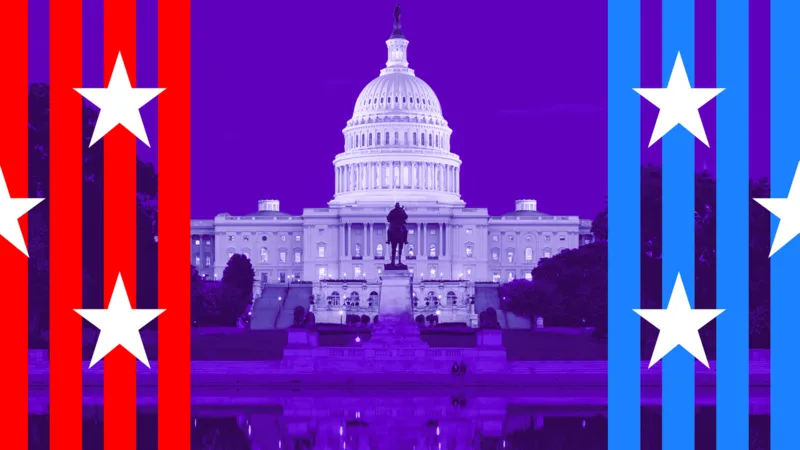

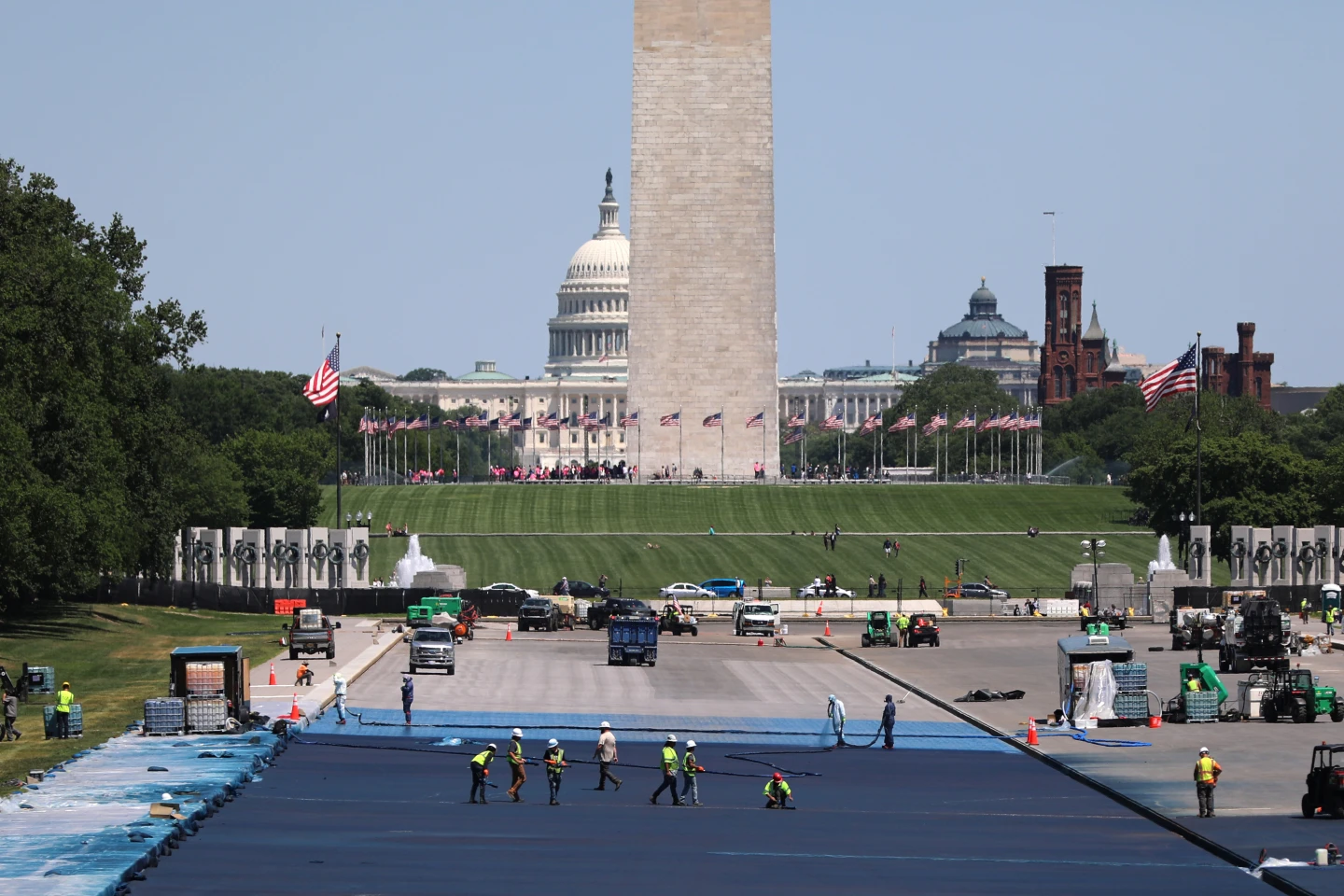
President Donald Trump has announced plans to construct a large outdoor monument park along the Potomac River in Washington, D.C., featuring statues of 250 notable Americans. The proposed site, named the “National Garden of American Heroes,” would sit within West Potomac Park, a heavily protected area near the National Mall that includes several of the capital’s most visited memorials.
The proposal immediately raised questions about federal approvals, land-use regulations, and whether the administration is bypassing long-established procedures governing major construction in the nation’s capital.
A Monument Park on Prime Washington Land
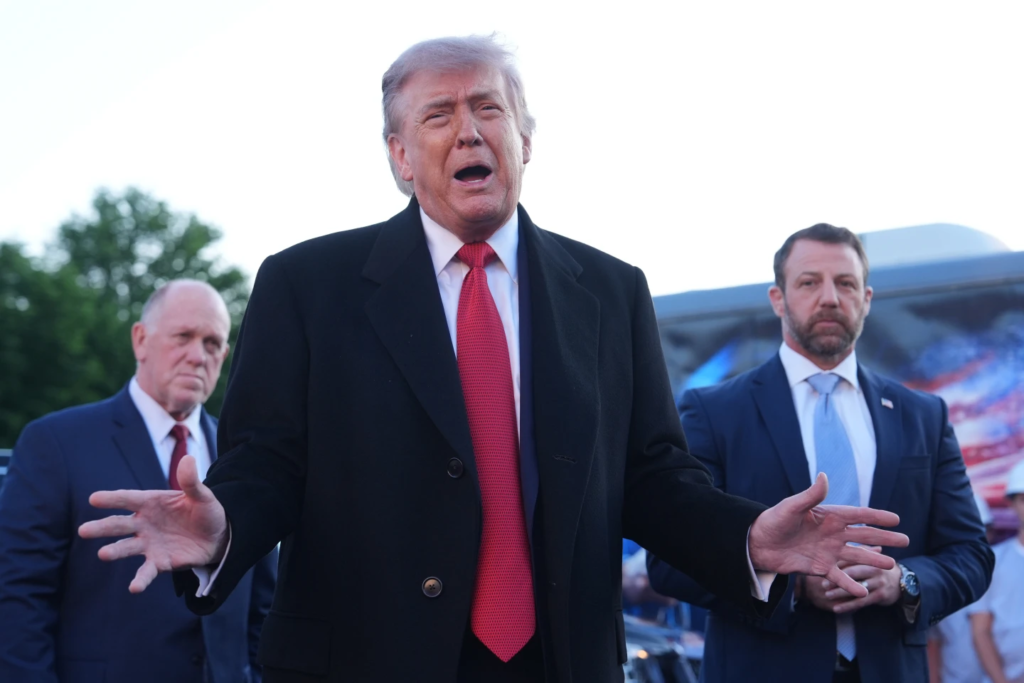
In a social media post on Friday, Trump described the chosen location as “totally BARREN” land along the Potomac River, framing it as an ideal setting for a national tribute project.
West Potomac Park is not undeveloped space. It lies adjacent to major landmarks including the Jefferson Memorial, the Franklin Delano Roosevelt Memorial, the Martin Luther King Jr. Memorial, and the Korean War Veterans Memorial. The area also includes open fields and recreational spaces widely used by residents for sports and leisure.
The planned garden is intended to commemorate the 250th anniversary of the United States. According to earlier proposals, it would include statues of 250 historical figures representing American political, cultural, scientific, and social achievements.
Origins of the “American Heroes” Project
The concept was first introduced during Independence Day events in 2020, when Trump proposed a national park honoring influential Americans. The idea gained political momentum during his first term, culminating in an executive order listing 244 individuals—including figures such as Ronald Reagan and baseball legend Jackie Robinson—as potential honorees.
The initiative stalled under the Biden administration, but Congress later allocated $40 million through a broader spending package to support planning and statue procurement.
However, questions remain over whether that funding and executive direction are sufficient to satisfy the strict federal approval process required for construction in Washington’s most sensitive historic zones.
Strict Rules for Washington’s Monument Core
Washington’s monumental core is among the most tightly regulated public landscapes in the United States. Any new memorial or large-scale installation typically requires approval from multiple agencies, including federal planning bodies tasked with preserving historical sightlines and architectural integrity.
Projects in the area often take decades to complete. For example, the Dwight D. Eisenhower Memorial took more than 20 years from congressional approval to completion.
These safeguards are intended to prevent rapid or politically driven alterations to a landscape that includes some of the country’s most iconic memorials.
Concerns Over Process and Precedent
The White House has not confirmed whether formal approvals for the garden have been initiated, nor has it clarified whether contracts for statue production have been awarded.
Legal experts and preservation advocates are already questioning whether the administration is attempting to bypass established review procedures. The concern centers on whether executive authority and congressional funding alone are sufficient to override design review requirements for federally protected parkland.
The issue could set up a potential legal dispute over jurisdiction and the limits of presidential influence on public land development.
Broader Transformation of the Capital
The proposed monument park is one of several major redevelopment efforts advanced under Trump’s administration that have reshaped parts of Washington’s federal landscape.
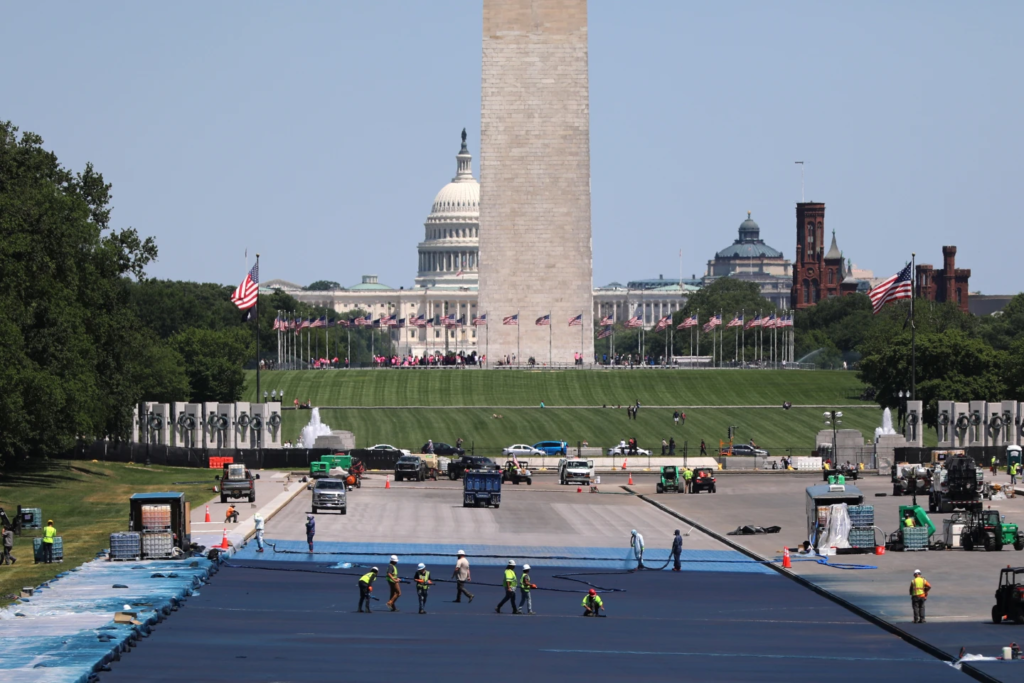
Recent actions include the rapid alteration of the Lincoln Memorial Reflecting Pool area and structural changes to parts of the White House complex. The administration has also advanced plans for new construction projects near the National Mall, including a proposed triumphal arch between the Lincoln Memorial and Arlington National Cemetery.
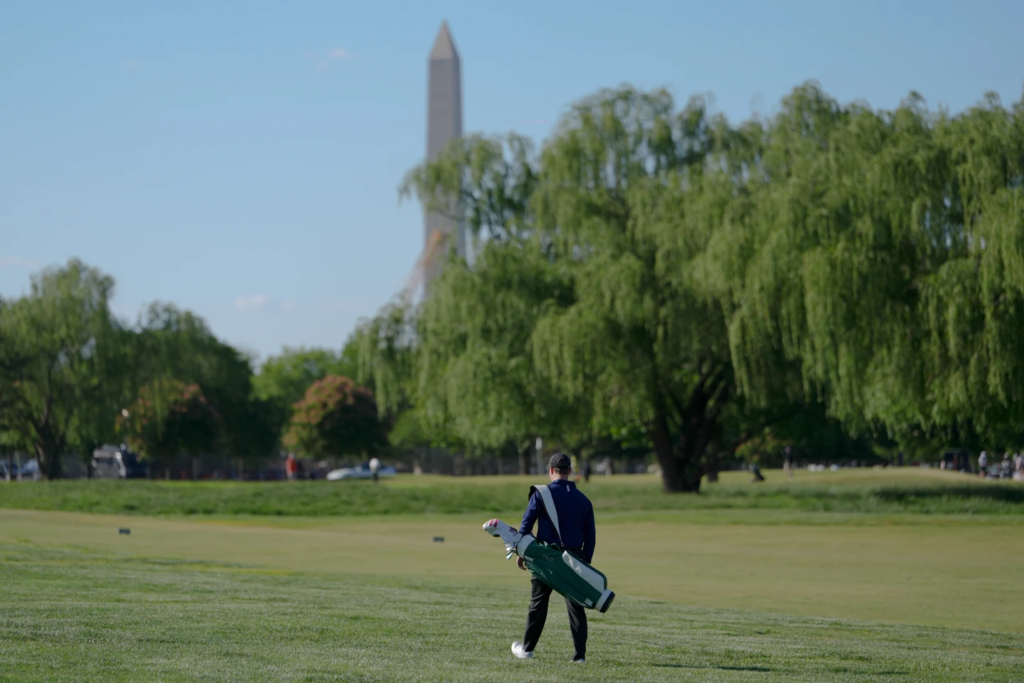
Additionally, the federal government has moved forward with plans to redesign East Potomac Park’s golf facilities into what officials describe as a championship-level public course. Critics argue that such changes may reduce public access to shared recreational spaces.
Supporters Frame Project as Cultural Recognition
Supporters of the “National Garden of American Heroes” argue the project would serve as a major national celebration ahead of the country’s 250th anniversary. They say it would offer a permanent tribute to individuals who shaped American identity across politics, sports, science, and civil rights.
Trump has repeatedly linked the initiative to efforts to preserve historical monuments during debates over statue removals in recent years, positioning the project as a corrective to what he describes as selective historical erasure.
A Project Likely to Face Scrutiny
Despite its symbolic framing, the proposal faces significant procedural, legal, and logistical hurdles before any construction begins. The scale of the project, combined with its location in one of the most protected civic landscapes in the United States, suggests that approval processes could be lengthy and contested.
Whether the National Garden of American Heroes proceeds as planned may ultimately depend not only on political backing, but also on how federal agencies interpret long-standing preservation laws governing the heart of Washington, D.C.