
The United States has granted another temporary extension allowing certain purchases of Russian seaborne oil, marking a significant policy shift as global energy markets remain under pressure from ongoing disruptions linked to the Iran conflict and the closure of the Strait of Hormuz.
U.S. Treasury Secretary Scott Bessent announced the decision on Monday, confirming a new 30-day sanctions waiver designed to support energy-vulnerable nations struggling with supply shortages and soaring fuel costs.
The move reverses earlier indications from Washington that no additional extensions would be issued.
According to Bessent, the temporary authorization will allow access to specific Russian oil cargoes already stranded on tankers without violating existing U.S. sanctions targeting Russia’s energy sector.
The measure is intended to help countries heavily dependent on imported fuel maintain energy supplies as geopolitical tensions continue to disrupt global trade routes.
Energy Security Concerns Drive Policy Shift
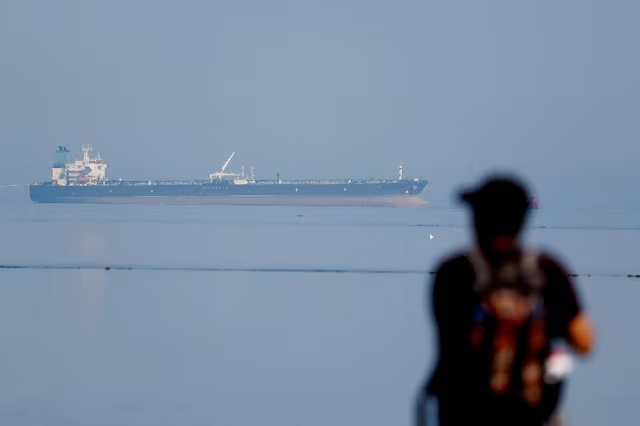
Sources familiar with the decision said several lower-income countries had requested the extension after losing access to Gulf energy shipments due to the impact of the U.S.-Israeli conflict with Iran and continued disruptions in the Strait of Hormuz.
The strategic waterway normally handles a significant share of global oil exports and remains one of the world’s most critical energy chokepoints.
Its disruption has tightened supply chains and triggered sharp increases in oil prices, placing additional pressure on nations already struggling with high import costs.
Bessent said the waiver would provide temporary flexibility while the U.S. works with affected countries on additional licensing arrangements.
“This measure helps ensure oil reaches the most energy-vulnerable countries and contributes to stabilising physical crude markets,” he said.
The Treasury chief argued that redirecting already available Russian supplies could ease competition for alternative oil shipments and prevent further disruptions.
Limited Scope of the Waiver
Despite its significance, the waiver remains narrowly defined.
The authorization applies only to Russian crude oil and petroleum products loaded onto vessels before a specified cut-off date and currently stranded at sea.
It does not allow access to newly produced Russian oil or expand broader exemptions to sanctions imposed on Moscow’s energy industry.
The sanctions framework targeting major Russian oil firms remains intact.
Washington introduced restrictions on companies including Rosneft and Lukoil as part of efforts to reduce revenue flowing to Moscow following Russia’s invasion of Ukraine.
The temporary waiver was first introduced earlier this year after oil markets reacted sharply to Middle East tensions and concerns over supply shortages.
Monday’s announcement marks the second occasion on which U.S. authorities allowed the exemption to expire before reinstating it.
Critics Warn of Unintended Benefits for Moscow
The decision immediately drew criticism from some U.S. lawmakers who argued that allowing additional Russian oil sales could strengthen Moscow financially.
Democratic Senators Jeanne Shaheen and Elizabeth Warren condemned the move, calling it an unnecessary concession that could undermine sanctions pressure.
The lawmakers argued that increased oil revenues would benefit the Kremlin at a time when Russia remains engaged in the war in Ukraine.
They also questioned whether the temporary relief was achieving its stated objective of lowering fuel prices or improving energy market stability.
“Additional revenue generated through these arrangements risks supporting Russia’s war effort,” they said in a joint statement.
Critics further argued that the policy sends mixed signals regarding Washington’s broader sanctions strategy.
Impact on Global Oil Markets Remains Uncertain
Energy analysts say the waiver may offer short-term relief for specific import-dependent countries but is unlikely to significantly influence global fuel prices.
Stephanie Connor, a former official at the Treasury Department’s sanctions office, noted that broader international restrictions remain in place.
European and British sanctions on Russian energy imports continue to limit overall market access.
As a result, the temporary U.S. exemption may have only modest effects on supply balances.
“It remains unclear whether these short-term authorizations have materially affected gasoline prices or market stability,” Connor said.
Analysts also noted that the waiver targets only limited existing cargoes rather than creating new export channels.
Oil Prices Continue Climbing
The announcement came as global crude prices surged amid ongoing uncertainty around Middle East supply routes.
Benchmark Brent crude rose more than 2% to finish above $112 per barrel as traders assessed continued supply risks linked to the Hormuz disruption.
Oil markets remain highly sensitive to developments involving Iran.
Prices briefly moved lower earlier in the trading session after reports suggested Washington was considering temporary sanctions relief on Iranian oil during negotiations.
However, those reports were later disputed, and uncertainty returned to markets.
President Donald Trump later stated that a planned military action against Iran had been paused to allow diplomatic efforts to continue.
The comments provided temporary relief but did little to ease broader supply concerns.
Russia May Gain Additional Revenue
Some experts believe the waiver could indirectly strengthen Russia’s energy earnings.
Charles Lichfield of the Atlantic Council’s GeoEconomics Center said higher global oil prices already favour Moscow and the additional exports could further offset losses caused by attacks on Russian energy infrastructure.
Ukraine has increasingly targeted refineries, ports and logistics facilities deep inside Russian territory, affecting oil production and exports.
Allowing stranded Russian cargoes to enter markets may soften those disruptions.
Lichfield argued that current economic pressures on Russia might otherwise have created an opportunity for stronger sanctions enforcement.
“Russia’s economy is showing signs of strain, and some analysts believe this could have been a moment to increase pressure rather than relax restrictions,” he said.
G7 Talks Focus on Iran and Energy Stability
Bessent announced the extension while attending meetings with finance leaders from the Group of Seven in Paris.
He used the occasion to urge allies to strengthen enforcement of sanctions against Iran.
The Treasury Secretary argued that coordinated international action remains necessary to limit financial networks supporting Tehran.
He called on partner nations to uphold sanctions frameworks and prevent illicit funding channels from expanding.
The comments underscore the delicate balancing act facing policymakers.
While Washington seeks to maintain pressure on both Russia and Iran, rising energy costs and supply disruptions are forcing governments to weigh geopolitical objectives against economic realities.
For now, the latest waiver highlights how global conflicts are increasingly reshaping energy policy, forcing temporary compromises as nations navigate one of the most volatile oil markets in recent years.