

After months of speculation about his political future, Israeli Prime Minister Benjamin Netanyahu has confirmed that he will seek another term in office, setting up what is expected to be one of the most closely watched elections in the country’s history.
The announcement, made by Netanyahu’s Likud Party on Wednesday, comes at a time when Israel remains deeply affected by war, political divisions, and lingering questions about leadership following the Hamas attack of October 7, 2023.
The election, which must be held by October, will be the first national vote since that attack transformed Israel’s political and security landscape. For many voters, it will be an opportunity to decide not only who should lead the country but also how Israel should move forward after one of the most difficult periods in its modern history.
Despite growing criticism and signs of voter fatigue, Netanyahu appears determined to remain at the center of Israeli politics.
Questions About His Future Prompted Public Clarification
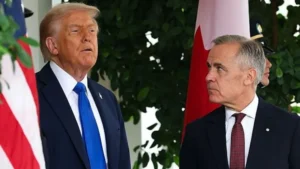
The confirmation followed comments by U.S. President Donald Trump that sparked fresh speculation about Netanyahu’s future.
Speaking to journalist Jonathan Karl of ABC News, Trump reportedly said he was unsure whether Netanyahu intended to run again.
“I don’t know,” Trump was quoted as saying. “He’s had an amazing career. Does he want to continue?”
The remarks immediately triggered discussion among political observers, many of whom have questioned whether the 75-year-old leader would seek another term after years of political battles, military conflicts, and legal challenges.
Likud’s response was swift and direct.
The party announced that Netanyahu would indeed stand for re-election and expressed confidence that he would once again emerge victorious.
The statement left little doubt that Israel’s longest-serving prime minister is preparing for another intense political campaign.
Election Will Take Place in the Shadow of October 7
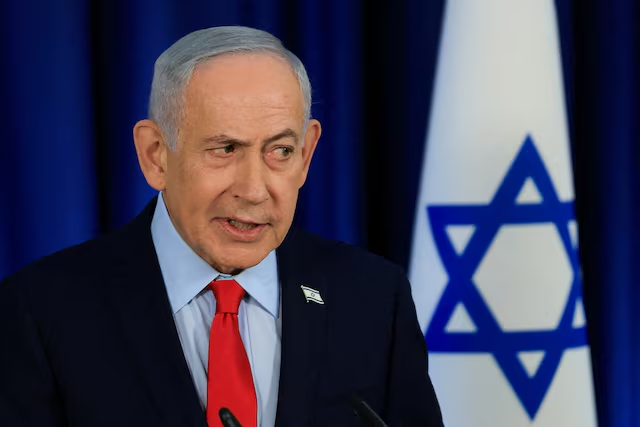
The upcoming vote will unfold under circumstances unlike any election Israel has held in recent decades.
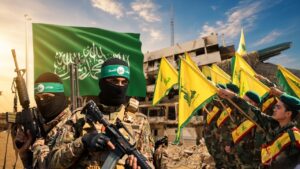
The October 7 Hamas attack remains deeply etched into the national consciousness. The assault exposed major security failures, shocked the country, and triggered a prolonged military campaign in Gaza that continues to shape political debate.
For many Israelis, the election will serve as a referendum on how the government handled both the lead-up to the attack and the war that followed.
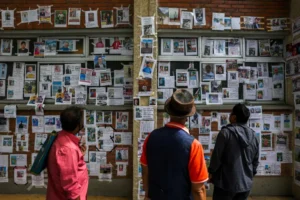
Families of victims, military reservists, displaced communities, and ordinary citizens continue to debate whether Israel’s leadership acted effectively before and after the crisis.
The emotional weight of those questions is expected to influence voting decisions across the political spectrum.
A Leader Who Continues to Divide Opinion
Few political figures in Israel generate stronger reactions than Netanyahu.
To his supporters, he remains one of the country’s most experienced leaders—a politician who has spent decades navigating complex security threats and representing Israel on the global stage.
They point to his long record in government, his international relationships, and his reputation as a skilled political strategist.
His critics see a very different picture.
Many blame him for deepening divisions within Israeli society and argue that his leadership style has contributed to years of political instability.
Before the wars in Gaza, Lebanon, and Iran dominated headlines, Netanyahu’s government faced months of mass demonstrations over controversial judicial reforms.
Hundreds of thousands of Israelis took part in protests, accusing the government of weakening democratic institutions.
Those divisions never fully disappeared. Instead, they became intertwined with debates over national security and wartime leadership.
Polls Suggest a Difficult Road Ahead
Recent surveys indicate that Netanyahu faces significant challenges as he seeks another term.
Polling conducted over the past several months has consistently shown declining public confidence in his leadership.
A June survey by the Israel Democracy Institute found that a majority of respondents believe Netanyahu should not run again.
The findings reflect frustration among many voters over security failures, the ongoing wars, and broader concerns about the country’s direction.
Yet despite those numbers, Netanyahu remains far from politically finished.
His opponents face problems of their own.
Israel’s opposition remains fragmented, with multiple parties struggling to unite around a single strategy or candidate capable of defeating Netanyahu’s coalition.
As a result, public dissatisfaction with the prime minister has not automatically translated into a clear alternative government.
Opposition Faces Coalition Challenges
Israel’s political system often produces complicated coalition negotiations, and this election is unlikely to be any different.
Current polling suggests that opposition parties could struggle to secure enough seats to form a government without support from Arab political parties.
That possibility remains controversial among some opposition leaders, several of whom have expressed reluctance to build a coalition dependent on Arab factions.
The challenge highlights one of Netanyahu’s enduring strengths: his ability to navigate complex political alliances and maintain influence even when public support appears to weaken.
Political analysts note that Israeli elections are often decided not only by vote totals but also by coalition-building after ballots are counted.
In that environment, Netanyahu remains one of the country’s most experienced political operators.
Relationship With Trump Remains Strong but Not Without Friction
The election campaign will also unfold against the backdrop of Netanyahu’s relationship with President Trump.
The two leaders have worked closely together on major regional issues, including military operations involving Iran and broader security initiatives in the Middle East.
However, their relationship has not always been smooth.
Recent reports have highlighted disagreements over Israel’s military operations in Lebanon and Washington’s efforts to negotiate a broader regional peace agreement with Tehran.
Last week, Trump openly acknowledged a heated conversation with Netanyahu, admitting that tensions occasionally flare between the two leaders.
Even so, both men continue to publicly emphasize their strong relationship.
Trump has repeatedly defended Netanyahu against his critics and has called for leniency regarding the corruption charges that the Israeli leader continues to fight in court.
Netanyahu denies all allegations and insists the cases against him are politically motivated.
A Nation Preparing for a Crucial Choice
As Israel moves closer to election day, voters face a choice that extends far beyond party politics.
The country remains engaged in regional conflicts, grappling with security concerns, and searching for a path forward after years of instability.
For supporters, Netanyahu represents experience and continuity during a dangerous period.
For opponents, the election offers an opportunity to turn the page on one of the most controversial chapters in Israeli politics.
What is certain is that the campaign will be closely watched both inside Israel and around the world.
After decades at the center of Israeli public life, Benjamin Netanyahu is once again asking voters for their trust. Whether they choose to extend his political career or seek new leadership will help determine the future direction of Israel at a moment of extraordinary consequence.