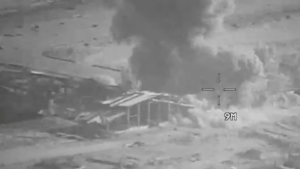


A deadly shooting in Ukraine’s capital has reignited a national debate over whether civilians should be allowed to own and carry handguns for self-defence—an issue made more complex by years of war and widespread access to weapons.
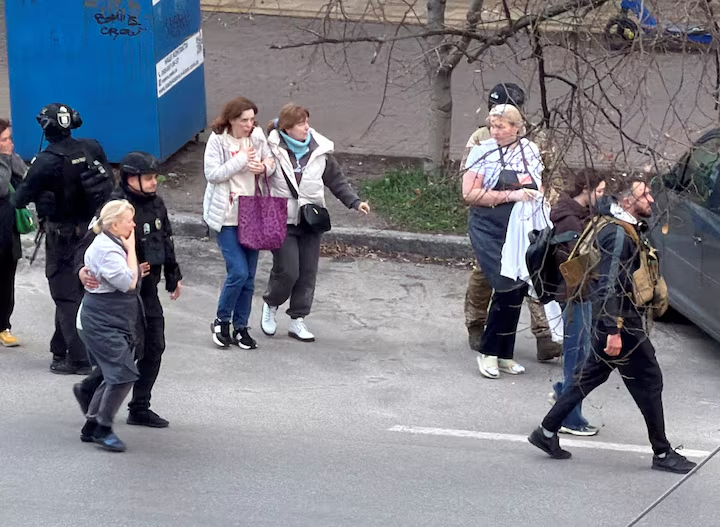
The incident, which unfolded in Kyiv, left seven people dead after a gunman took hostages inside a supermarket. The attack quickly sparked intense reactions across the country, with many citizens taking to social media to argue that stricter gun laws leave ordinary people vulnerable in moments of crisis. Others, however, warned that loosening restrictions could create even greater risks.
Calls for Armed Self-Defence Grow Louder
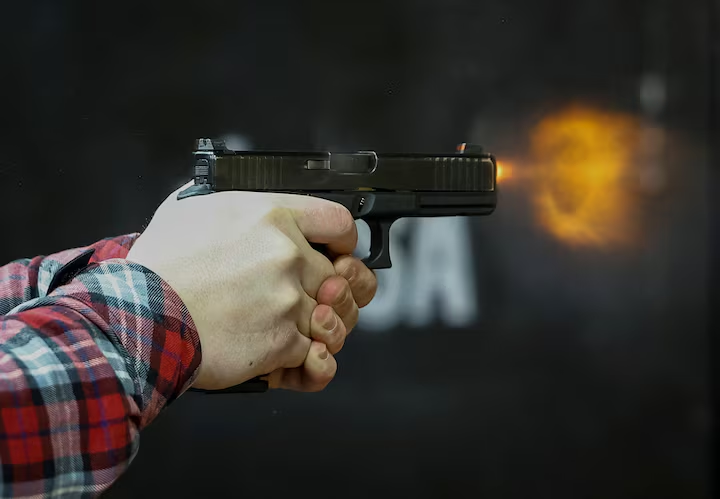
Some military figures and policymakers believe the tragedy highlights the need for reform. Maksym Zhorin, a senior military commander, argued that if civilians had been armed, the outcome might have been different.
Ukraine currently does not allow civilians to carry firearms in public, and the legal framework governing self-defence remains incomplete. Still, the country’s relationship with weapons has shifted dramatically since the 2022 invasion by Russia, when authorities distributed firearms to civilians to help defend against advancing forces.
Lawmakers Revisit Gun Legislation
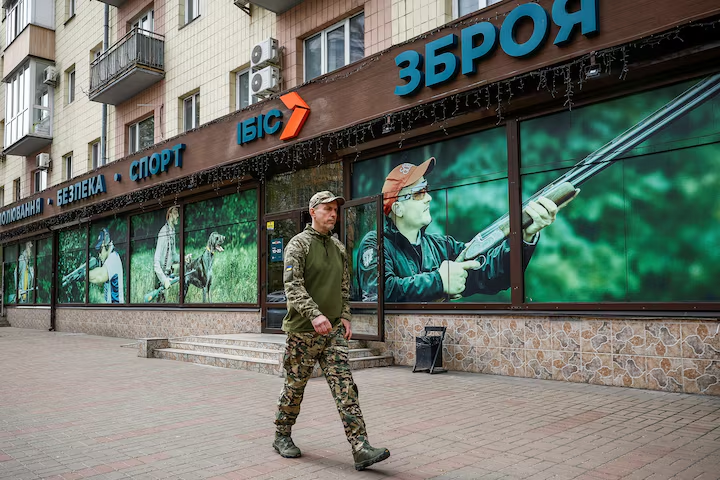
Efforts to regulate civilian firearm ownership are already underway. Ihor Fris, a member of parliament involved in drafting firearms legislation, says discussions are ongoing to advance a bill that would allow limited access to short-barrelled weapons for home defence.
Support for such measures is also emerging within the government. Interior Minister Ihor Klymenko has indicated that citizens should have the right to protect themselves, especially as security challenges persist.
Public opinion appears to be shifting as well. A large national survey conducted in 2022 found that a majority of Ukrainians supported the idea of carrying handguns in public spaces, a notable change from pre-war attitudes.
Concerns Over Safety and Legal Readiness
Despite growing support, many Ukrainians remain wary. Critics point to countries like the United States as examples where widespread gun ownership has coincided with frequent mass shootings. They argue that introducing more firearms into society could escalate violence rather than prevent it.
Roman Kostenko, a lawmaker with military experience, cautions that many people underestimate the psychological and legal consequences of using a weapon in self-defence. Ukraine’s legal system, he says, is not yet equipped to clearly define when such actions are justified.
Others highlight that the Kyiv attacker reportedly used a legally registered firearm, raising concerns about whether stricter oversight—rather than broader access—is the real solution. Inna Sovsun questioned whether expanding gun ownership would truly ensure that only responsible individuals have access to weapons.
A Nation Already Flooded with Weapons
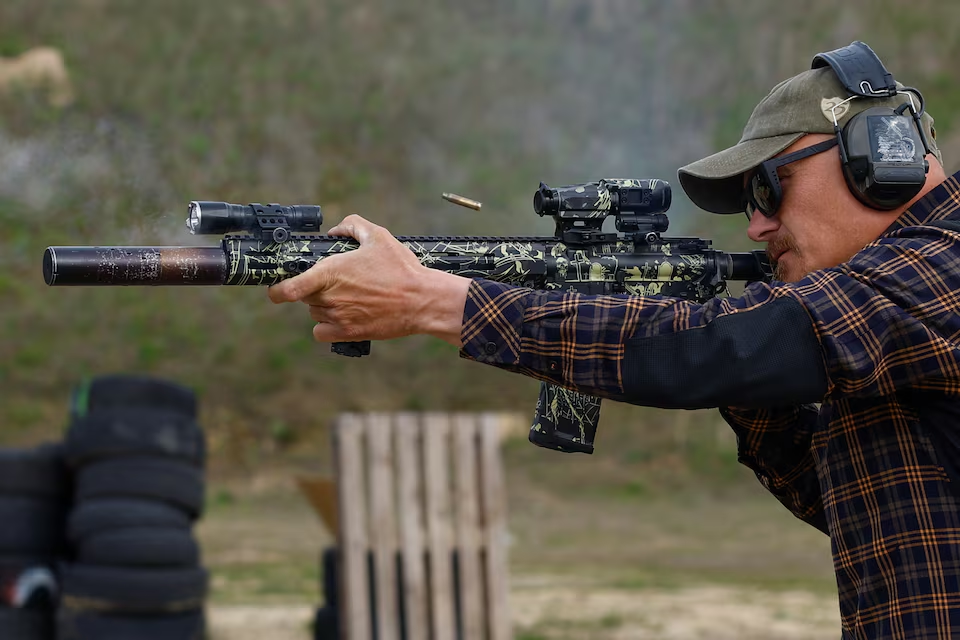
The debate is further complicated by the reality that millions of firearms are already believed to be in circulation across Ukraine, many of them unregistered. Weapons distributed during the early days of the war, combined with those used on the front lines, have significantly increased civilian exposure to firearms.
Heorhiy Uchaykin, head of a gun owners’ association, argues that legalizing handguns would simply bring an existing reality under proper regulation. He believes that responsible ownership, combined with strict licensing and training requirements, could improve safety.
Balancing Security and Risk
Still, the broader implications remain uncertain. Ukraine is a society deeply affected by war, with many citizens experiencing trauma, including post-traumatic stress. Experts warn that expanding access to firearms in such an environment could have unpredictable consequences.
Some lawmakers are urging caution, emphasizing that policy decisions should not be driven by emotion in the aftermath of tragedy. Olha Vasylevska-Smahliuk stressed the importance of careful, measured reform rather than rapid legal changes.
The Kyiv shooting has intensified an already complex conversation about safety, rights, and responsibility. As Ukraine continues to navigate the challenges of war and recovery, the question of civilian gun ownership remains deeply divisive.
Whether the country moves toward broader gun rights or tighter controls, one thing is clear: the path forward will require balancing personal security with the risks of a more heavily armed society.