
Initial optimism following a ceasefire between the United States and Iran quickly gave way to renewed concern on Wednesday, as violence continued to flare across the region. While Washington and Tehran agreed to pause direct hostilities, Israel intensified its military campaign in Lebanon, and Iran launched fresh strikes targeting key infrastructure in several Gulf states.
The uneasy situation highlights just how fragile the ceasefire remains, with multiple fronts still active despite diplomatic efforts to de-escalate tensions.
Markets Rally, But Reality on the Ground Remains Volatile
Global financial markets reacted positively after U.S. President Donald Trump announced the truce late Tuesday, just hours before a deadline he had set for Iran to reopen the strategically critical Strait of Hormuz.
However, the relief seen in markets stood in stark contrast to developments on the ground. Even as U.S. and Iranian forces halted direct attacks on each other, Israel escalated its operations in Lebanon, carrying out what officials described as its most intense strikes since the conflict began.
Massive plumes of smoke rose over Beirut as buildings were reduced to rubble. Lebanon’s health authorities reported dozens of fatalities and hundreds of injuries, with some residents saying the strikes occurred without prior evacuation warnings.
Iran Signals Ceasefire Could Collapse
Iran has warned that continued Israeli attacks in Lebanon could jeopardize the ceasefire. According to Iran’s Tasnim news agency, an unnamed official indicated that Tehran may abandon the truce if the situation in Lebanon does not improve.
At the same time, reports from Kuwait, the United Arab Emirates, and Bahrain indicated that Iranian missile and drone strikes continued even after the ceasefire was supposed to take effect. Several of these attacks targeted vital infrastructure, including oil facilities, power plants, and desalination systems.
In Saudi Arabia, Iran reportedly struck the East-West oil pipeline leading to the Red Sea — a key route that allows crude exports to bypass the Strait of Hormuz. The attack underscores the broader regional risks tied to the conflict.
Pakistan Pushes for Diplomatic Breakthrough
Efforts to move from ceasefire to lasting peace are now focused on planned talks in Pakistan. Prime Minister Shehbaz Sharif has invited both Iranian and U.S. delegations to meet in Islamabad on Friday.
Iran’s team is expected to include senior figures such as parliament speaker Mohammad Baqer Qalibaf and Foreign Minister Abbas Araqchi, particularly after several experienced Iranian leaders were killed during the conflict.
President Trump confirmed that face-to-face negotiations are imminent but suggested that Vice President JD Vance may not attend due to security concerns, contradicting earlier reports that he would lead the American delegation.
Oil Prices Drop Despite Lingering Risks
Despite ongoing instability, global oil prices fell sharply. Brent crude, which had surged more than 50% since the conflict began, dropped about 15% to around $94.50 per barrel.
Stock markets in the United States and elsewhere also climbed, reflecting investor hopes that the ceasefire could lead to a broader de-escalation.
However, critical issues remain unresolved. The Strait of Hormuz — a vital artery for global energy supplies — is still closed. Iranian officials have indicated it could reopen ahead of talks, but only under strict conditions, including limited access and the requirement for ships to obtain Iranian approval.
Trump Claims Victory, Imposes New Measures
In a series of online statements, President Trump declared that Iran had effectively undergone “regime change” and predicted that Tehran would eventually abandon uranium enrichment.
He also announced new tariffs of 50% on goods from countries supplying weapons to Iran, signaling continued economic pressure alongside diplomatic efforts.
U.S. Defense Secretary Pete Hegseth described the outcome as a decisive military success, claiming that Iran’s missile capabilities had been severely weakened.
Iran’s Leadership Remains Intact
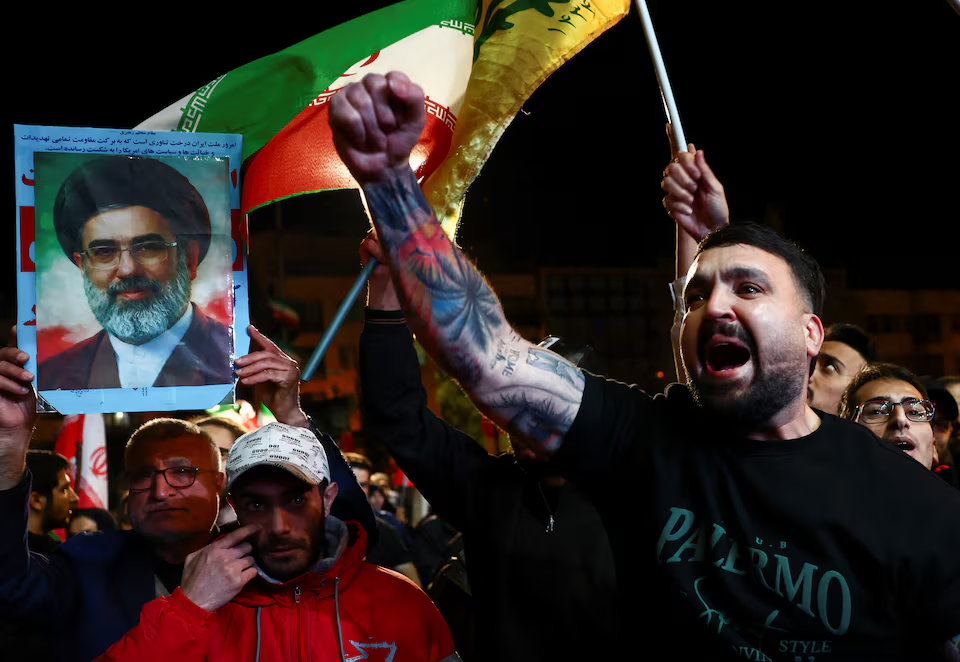
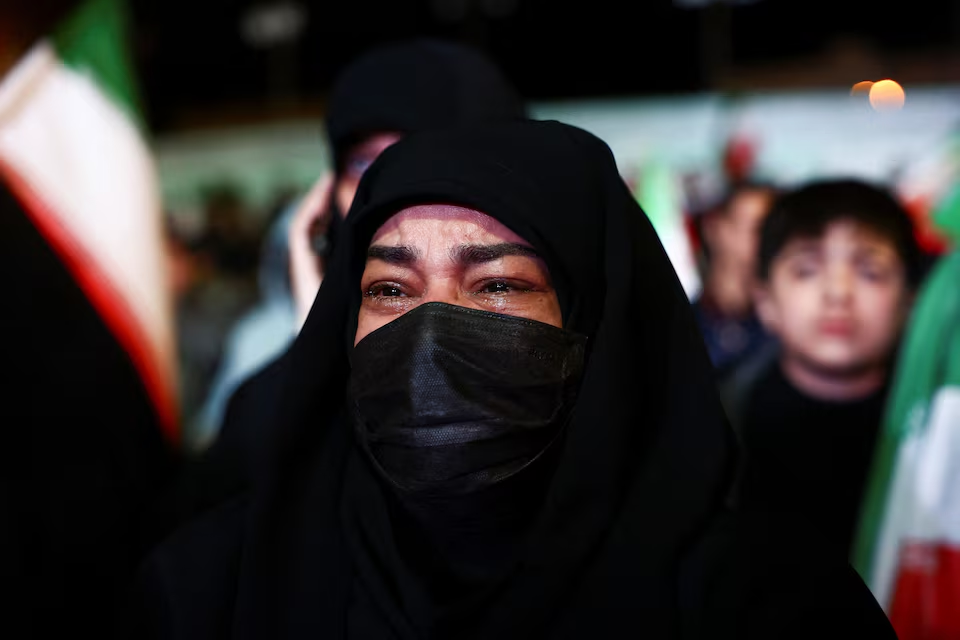
Inside Iran, crowds gathered overnight to celebrate what officials framed as a victory, waving national flags while expressing defiance toward the United States and Israel.
Yet beneath the celebrations lies uncertainty. Many Iranians remain cautious about whether the ceasefire will hold.
“Israel may not allow diplomacy to succeed, and Trump could change course at any moment,” said one Tehran resident. “But at least for now, the airstrikes have stopped.”
Despite the intensity of the conflict, Iran’s leadership structure remains intact. The country still possesses significant reserves of highly enriched uranium and retains the capability to strike regional targets with missiles and drones.
Strategic Implications for the Region
The conflict, which began on February 28 following actions by President Trump and Israeli Prime Minister Benjamin Netanyahu, was intended to curb Iran’s regional influence and dismantle its nuclear ambitions.
However, those objectives remain largely unmet. Iran’s ability to disrupt global energy supplies through its control of the Strait of Hormuz has reinforced its strategic leverage, potentially reshaping power dynamics in the Gulf for years to come.
Iran’s Supreme National Security Council declared that the country had delivered a “historic and decisive defeat” to its adversaries.
Meanwhile, in Israel, criticism is growing. Former senior military official Yair Golan described the outcome as a failure, warning that Iran’s nuclear and missile capabilities remain intact and that its leadership has emerged stronger.
A Ceasefire Under Strain
Although the ceasefire has temporarily reduced direct confrontation between the United States and Iran, the broader conflict continues to unfold across multiple fronts.
With tensions still high and key disagreements unresolved, the upcoming talks in Pakistan may prove decisive. Whether they lead to lasting peace or simply delay further escalation remains uncertain.
For now, the region stands at a critical crossroads, where diplomacy faces its toughest test yet.