
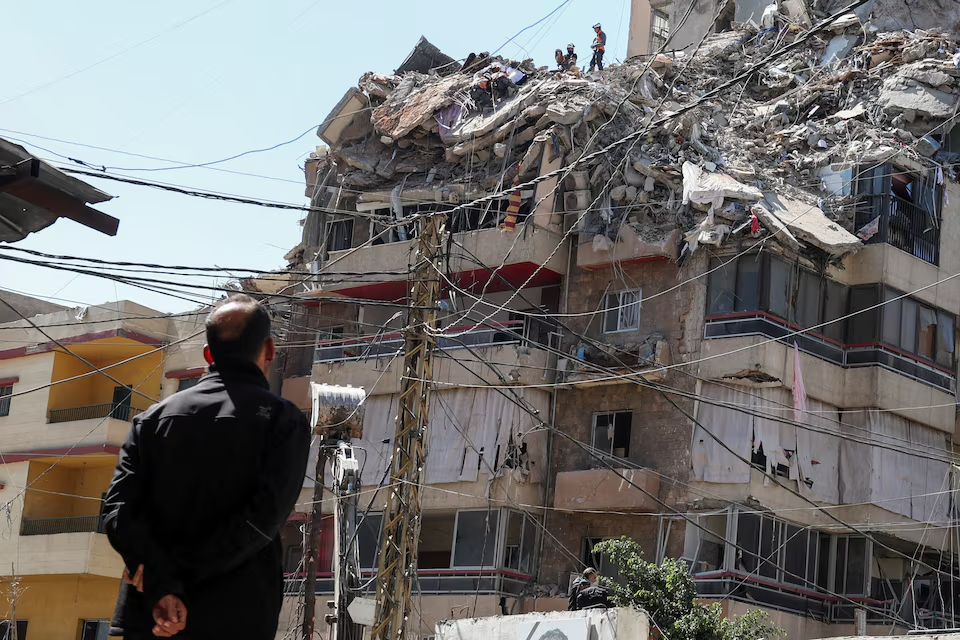
Israeli Prime Minister Benjamin Netanyahu issued a stark warning on Thursday declaring that Israel’s enemies would find “no immunity” anywhere, following an airstrike in Beirut’s southern suburbs that killed a senior Hezbollah commander and threatened to further destabilize an already fragile ceasefire in Lebanon.
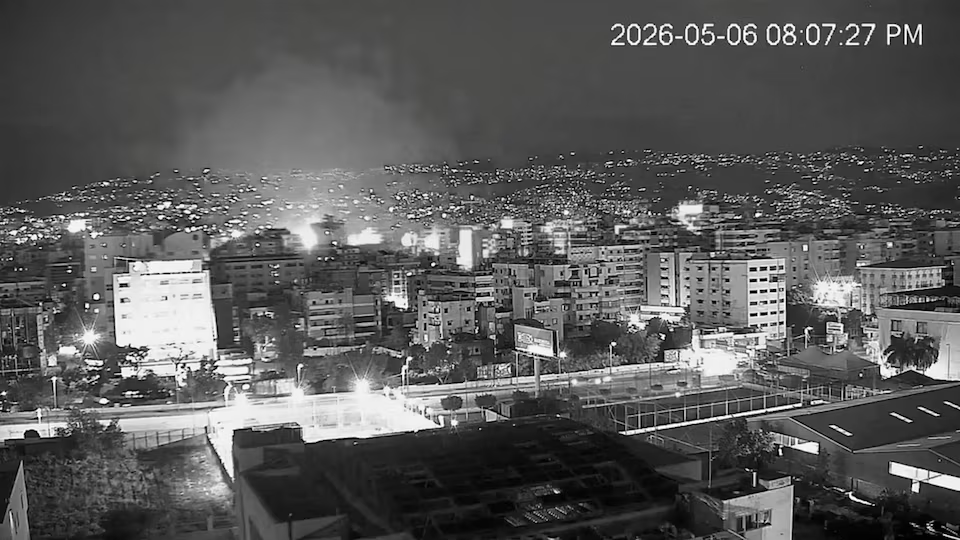
The strike, carried out Wednesday night, marked Israel’s first attack on Beirut’s southern district since a U.S.-brokered ceasefire was announced last month. Israeli officials said the operation targeted Ahmed Ali Balout, a commander within Hezbollah’s elite Radwan force, accusing him of orchestrating attacks against Israeli troops and northern Israeli communities.
The escalation comes amid rising regional tensions linked to the broader conflict involving Iran, Israel and the United States, while diplomatic efforts continue behind the scenes to prevent another full-scale war in Lebanon.
Israel Signals Renewed Pressure on Hezbollah
In a strongly worded statement, Netanyahu defended the operation and made clear that Israel intends to continue targeting Hezbollah leaders regardless of location.
“He likely believed he had immunity in Beirut,” Netanyahu said. “That is no longer the case.”
The Israeli leader accused Balout of directing operations from what he described as a covert Hezbollah command center in Beirut’s southern suburbs, an area long regarded as a stronghold for the Iran-backed militant group.
“I say to our enemies in the clearest possible way: No terrorist has immunity,” Netanyahu added.
Israeli military officials described Balout as a senior operational figure within Hezbollah’s Radwan force, a specialized unit trained for cross-border raids and guerrilla operations. The military claimed the commander had been involved in coordinating attacks launched from southern Lebanon since hostilities resumed earlier this year.
Hezbollah has not officially commented on Balout’s death, though the group has vowed repeatedly that Israeli strikes would not weaken its operational capabilities or force it to retreat from confrontation.
Ceasefire Under Growing Strain
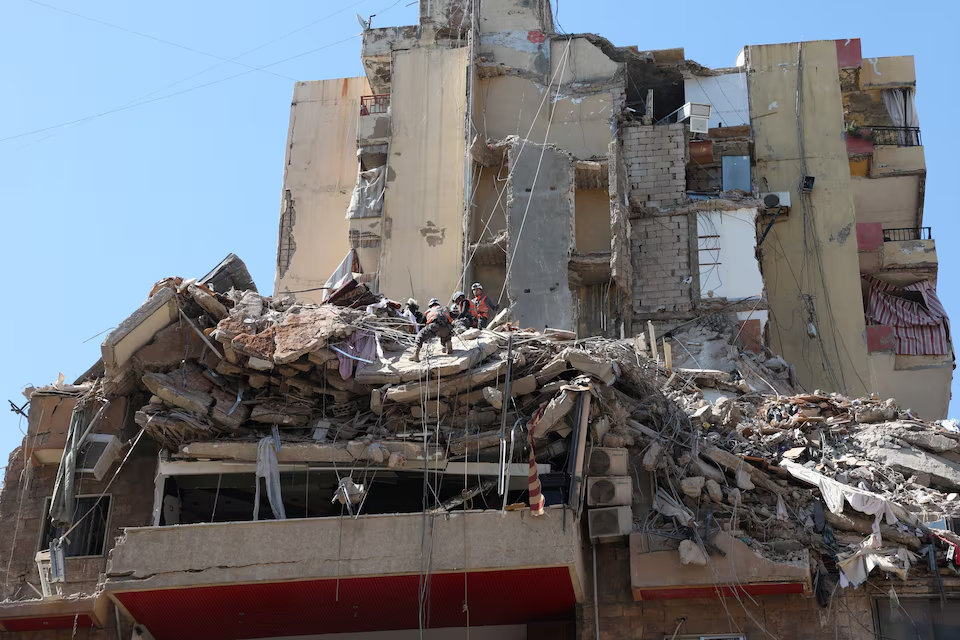
The latest strike has raised concerns that the temporary ceasefire between Israel and Hezbollah could unravel entirely.
The truce, announced on April 16 by U.S. President Donald Trump, significantly reduced hostilities after weeks of heavy fighting. However, the ceasefire has remained fragile from the beginning, with both sides continuing to exchange sporadic fire in southern Lebanon.
The renewed violence traces back to March 2, when Hezbollah launched attacks against Israel following U.S.-Israeli strikes on Iran. Hezbollah framed its actions as support for Tehran and resistance against Israeli military operations across the region.
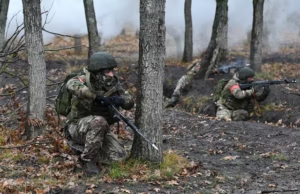
While the ceasefire brought temporary calm to Beirut and much of Lebanon, clashes never fully stopped along the border. Israel has continued airstrikes and artillery attacks in southern Lebanon, while Hezbollah has launched rockets, drones and anti-tank operations targeting Israeli positions.
Analysts say Wednesday’s strike on Beirut represents a significant escalation because it pierced a key informal understanding that had largely spared the Lebanese capital from attacks since the ceasefire began.
Southern Lebanon Remains a Battlefield
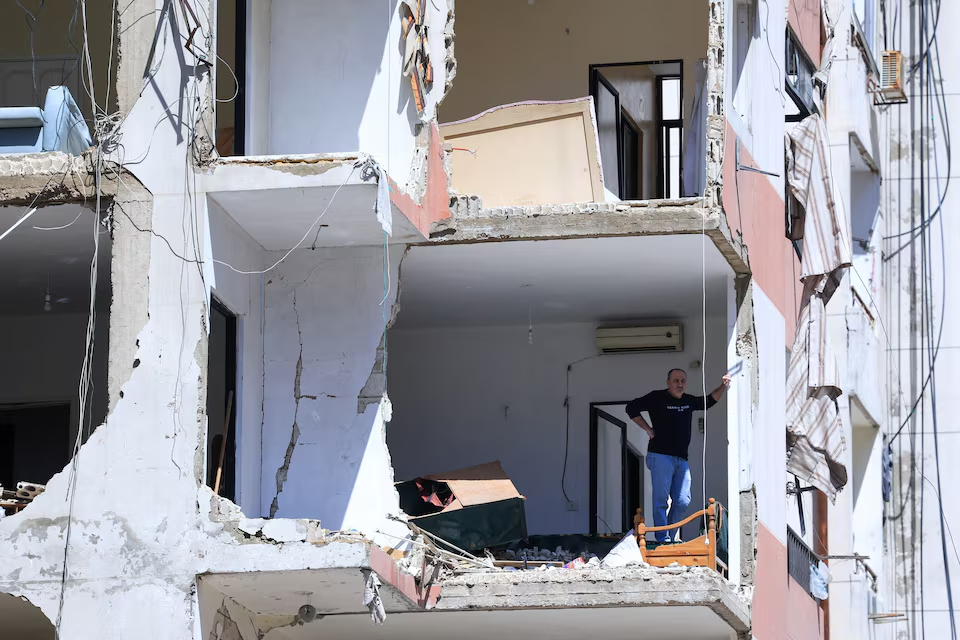
Despite diplomatic efforts, southern Lebanon continues to witness near-daily violence.
Lebanon’s Health Ministry says more than 2,700 people have been killed since fighting resumed in March, while approximately 1.2 million residents have been displaced from their homes.
Many families from southern Shi’ite-majority communities have fled toward Beirut and other parts of Lebanon, worsening the country’s already severe humanitarian and economic crises.
On Wednesday alone, Lebanese officials reported at least 11 people killed in Israeli strikes across three different areas in southern Lebanon.
Hezbollah stated it conducted 17 operations against Israeli forces that same day, including rocket launches and drone attacks aimed at Israeli military positions.
The Israeli military, meanwhile, said it struck more than 15 Hezbollah infrastructure sites in southern Lebanon over the course of the day.
Israel says Hezbollah has fired hundreds of rockets and drones toward northern Israeli towns since March. Israeli authorities report that 17 soldiers and two civilians have been killed in attacks linked to the conflict.
Israeli officials argue their military presence in southern Lebanon is necessary to prevent Hezbollah fighters from threatening communities near the border.
Israel Expands Security Zone in Southern Lebanon
Israeli forces continue to maintain what officials describe as a “security zone” extending up to 10 kilometers inside Lebanese territory.
Israel insists the buffer zone is essential to protect northern Israel from Hezbollah militants operating near civilian areas.
However, Hezbollah and many Lebanese officials describe the Israeli presence as an occupation and argue the group has the right to resist militarily.
The continued Israeli control of parts of southern Lebanon has become one of the central obstacles preventing a more lasting ceasefire agreement.
Hezbollah leaders maintain that any political settlement must include a full Israeli withdrawal from Lebanese territory.
U.S. Pushes Diplomatic Engagement Between Lebanon and Israel
Even as fighting continues, the United States has intensified diplomatic engagement between Lebanon and Israel in hopes of preventing a broader regional war.
Washington has already hosted two rounds of talks involving the Lebanese and Israeli ambassadors — the highest-level direct contacts between representatives of the two countries in decades.
A U.S. State Department official confirmed that a third round of discussions is scheduled to take place in Washington on May 14 and 15.
The meetings are part of broader American efforts to stabilize the region and support negotiations tied to the ceasefire framework.
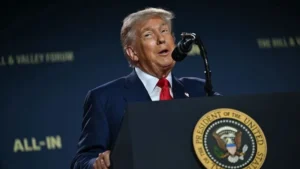
Trump has publicly expressed optimism that Lebanon and Israel could eventually move toward a formal peace arrangement.
Last month, the U.S. president said he hoped to host Netanyahu and Lebanese President Joseph Aoun for future talks, arguing that there was “a great chance” both sides could achieve a peace deal within the year.
However, political realities inside Lebanon remain deeply complicated.
Hezbollah has strongly opposed the Lebanese government’s participation in direct discussions with Israeli officials.
The group views normalization or formal negotiations with Israel as unacceptable and accuses Lebanese political rivals of compromising national sovereignty.
The issue has exposed deep divisions within Lebanon’s political landscape, particularly between Hezbollah and parties advocating stronger Western and Gulf Arab ties.
Lebanese Prime Minister Nawaf Salam attempted to downplay speculation about higher-level diplomatic meetings with Israel, saying Wednesday that such discussions remain premature.
According to Salam, strengthening and preserving the ceasefire must come before any broader political negotiations can take place.
He emphasized that future talks should focus primarily on securing Israeli withdrawal from Lebanese territory and preventing further civilian casualties.
Regional Stakes Continue to Rise
The Lebanon front has become increasingly tied to wider negotiations involving Iran, Israel and the United States.
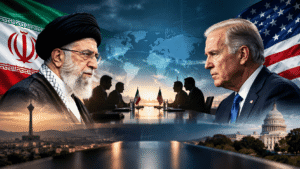
Iran has reportedly demanded an end to Israeli operations in Lebanon as part of broader diplomatic discussions with Washington aimed at reducing regional tensions.
The ceasefire in Lebanon is therefore viewed by many diplomats as a key component of a much larger geopolitical struggle unfolding across the Middle East.
Security experts warn that any major collapse of the truce could trigger a wider regional escalation involving Hezbollah, Iran, Israel and potentially U.S. forces operating in the area.
For now, both Israel and Hezbollah appear determined to continue applying military pressure while simultaneously allowing diplomatic channels to remain open.
But Wednesday’s strike on Beirut demonstrates how quickly the fragile balance could deteriorate, pushing Lebanon once again toward the edge of a devastating full-scale conflict.