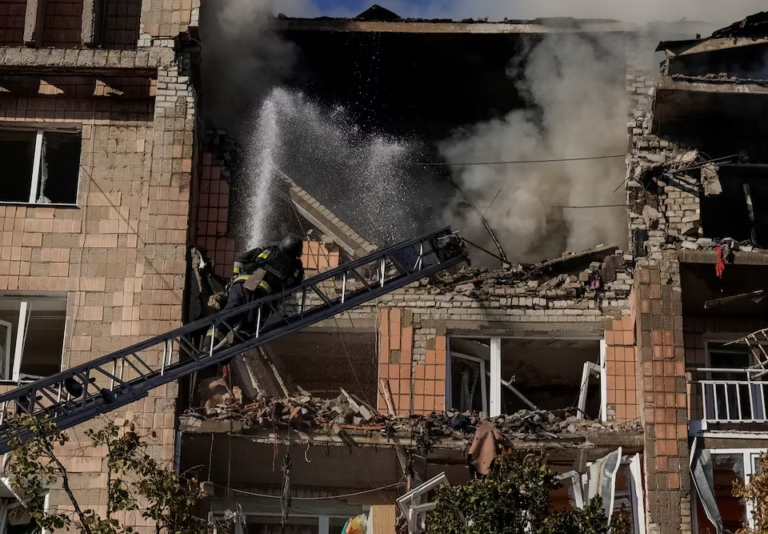

Senior officials in President Donald Trump’s administration are working urgently to contain the growing economic and political consequences of the ongoing conflict with Iran, as rising fuel costs and uncertainty in global energy markets begin to weigh heavily on American households and financial markets.
According to people familiar with internal White House discussions, administration officials are increasingly concerned that the prolonged war could undermine public confidence in Trump’s economic leadership ahead of the November midterm elections. With gasoline prices surging nationwide and inflation climbing, the White House is now considering emergency measures aimed at easing consumer pressure.
Rising Fuel Costs Spark Political Alarm
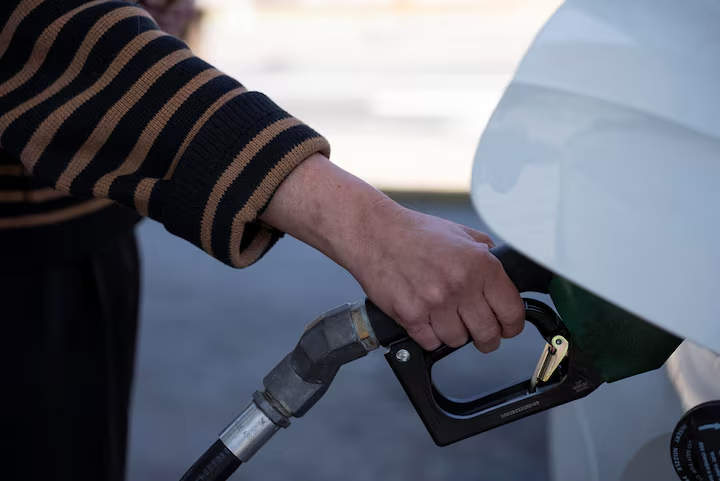
One proposal gaining momentum inside the administration is a temporary suspension of the federal gasoline tax, which currently adds 18 cents per gallon to fuel prices. The measure, once seen by some advisers as unnecessary, is now being viewed as a possible short-term solution to rising public frustration over soaring energy costs.
National average gasoline prices have climbed above $4.50 per gallon in many parts of the United States since the conflict intensified. Several states have already crossed the $5-per-gallon threshold, according to industry tracking data, intensifying economic anxiety among consumers and businesses alike.
White House officials have reportedly been closely monitoring market trends and fuel inventories to determine whether prices could rise even further during the summer travel season.
“The administration sees gas prices as one of its most immediate political vulnerabilities,” a source familiar with the discussions said. “There’s a growing belief that voters need to see direct action.”
Economic Pressure Builds Across the Country
The spike in energy prices has started to ripple across the broader economy. Consumer confidence has weakened sharply in recent weeks, while inflation reached its highest level in nearly three years in April.
A recent national survey found that more than six in ten Americans say higher fuel prices have negatively affected their household finances. Trump’s economic approval ratings have also fallen significantly since the outbreak of the war, reflecting growing public concern about affordability and living costs.
Businesses dependent on transportation and logistics are already feeling the strain. Airlines have reported dramatic increases in fuel expenses, while companies across retail and manufacturing sectors warn that rising shipping and operating costs could soon translate into higher prices for consumers.
Major international buyers have also rushed to secure alternative oil supplies following disruptions around the Strait of Hormuz, a critical shipping route that normally carries roughly one-fifth of the world’s oil exports.
White House Defends Energy Strategy
Despite the economic concerns, the Trump administration insists it has prepared for market disruptions linked to the conflict.
White House officials argue that expanding domestic oil and gas production has helped cushion the impact of the war on American consumers and allied nations. Administration representatives say Trump’s energy policies have strengthened U.S. energy independence and reduced vulnerability to overseas supply shocks.
“The president’s long-standing goal has been to ensure reliable and affordable energy for the United States and its allies,” a White House spokesperson said. “Those policies are now playing a critical role during this crisis.”
In recent weeks, the administration has taken additional steps to stabilize energy markets. The Energy Department announced plans to release more oil from the national reserve system, while some shipping and sanctions restrictions have reportedly been eased to facilitate fuel movement.
Trump Focused on Iran’s Nuclear Threat
While economic worries dominate discussions in Washington, Trump has continued to frame the war primarily as a national security issue.
The president has repeatedly stated that preventing Iran from obtaining a nuclear weapon remains his top priority, even if Americans face higher fuel prices in the short term.
Speaking to reporters earlier this week, Trump described rising energy costs as “a small price to pay” if it means stopping Tehran’s nuclear ambitions.
“The only thing that matters when it comes to Iran is making sure they never get a nuclear weapon,” Trump said. “That’s the mission.”
His comments, however, have drawn criticism from opponents who argue the administration has failed to clearly explain the long-term strategy for ending the conflict and restoring stability to global markets.
Republicans Fear Midterm Fallout
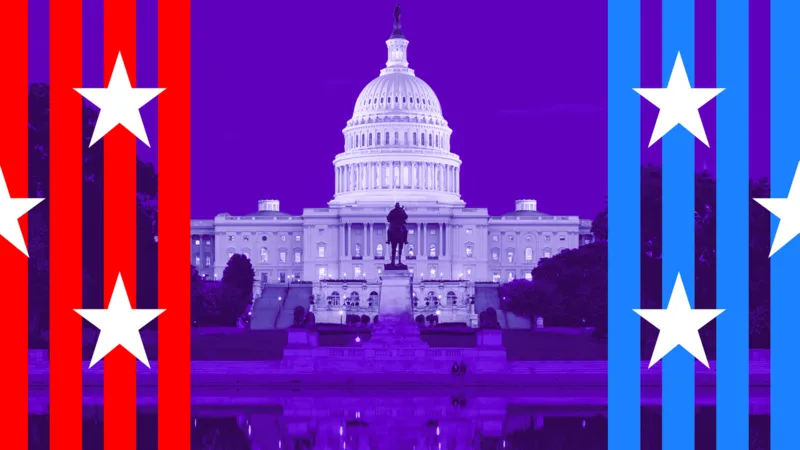
Growing economic pressure has also triggered concern among Republican lawmakers and strategists, many of whom fear the war could damage the party’s electoral prospects in November.
Control of both the House of Representatives and the Senate is at stake in the upcoming elections, and party officials worry that persistently high fuel prices could drive voter frustration in suburban and swing districts.
Political analysts note that gasoline prices have historically played a major role in shaping public perception of economic performance. Crossing the psychologically important $4-per-gallon mark often sparks broader concerns about inflation and household affordability.
Some Republican strategists believe the administration has only a limited window to stabilize prices before public frustration deepens.
“There’s still public support for confronting Iran, but people also expect economic stability,” one Republican adviser said. “If prices continue climbing through the summer, the political pressure will intensify.”
Global Energy Markets Remain Unstable
International energy markets remain volatile as fighting continues and shipping through the Strait of Hormuz remains severely restricted. Oil producers have reduced exports, and analysts warn that prolonged disruptions could trigger additional spikes in fuel and transportation costs worldwide.
Countries dependent on Gulf energy supplies are also scrambling to secure alternative routes and reserves, while global shipping companies continue to monitor security risks in the region.
The uncertainty has increased fears of broader economic consequences if diplomatic efforts fail to revive ceasefire negotiations between Washington and Tehran.
Pressure Mounts for a Diplomatic Breakthrough
Behind the scenes, administration officials are reportedly exploring both military and diplomatic options to prevent further escalation. However, hopes for a quick resolution appear to be fading as negotiations remain stalled.
Analysts say the White House now faces a difficult balancing act: maintaining pressure on Iran while also convincing Americans that the administration can manage the economic fallout at home.
With summer travel season approaching and fuel prices still climbing, the outcome of the conflict could have major implications not only for global stability, but also for the political future of Trump and the Republican Party heading into one of the most closely watched election cycles in recent years.