
Britain’s outgoing Prime Minister Keir Starmer received warm tributes from European leaders on Monday after announcing his resignation, despite leaving office with falling approval ratings and growing political pressure at home.
Starmer’s departure brings an abrupt end to a premiership that began with enormous promise. In the 2024 general election, he led the Labour Party to a landslide victory, ending 14 years of Conservative rule and becoming the country’s first centre-left prime minister since the Brexit era began.
Yet less than two years later, mounting voter dissatisfaction, economic frustrations and the rise of anti-establishment parties forced him to step aside.
British voters increasingly questioned his leadership. Many of his counterparts across Europe saw him differently. To them, Starmer meant stability, predictability and a renewed willingness by Britain to work closely with its European neighbours after years of post-Brexit tension.
Repairing Relations After Brexit
Although Starmer repeatedly rejected any suggestion that Britain should rejoin the European Union, he spent much of his time in office trying to improve relations with Brussels.
Britain’s departure from the EU in 2020 left deep political and diplomatic scars. Disputes over trade arrangements, Northern Ireland and immigration often created friction between London and European capitals.
Starmer took a more cooperative approach. His government reopened channels of communication with EU leaders and focused on practical cooperation in areas such as security, trade and energy.
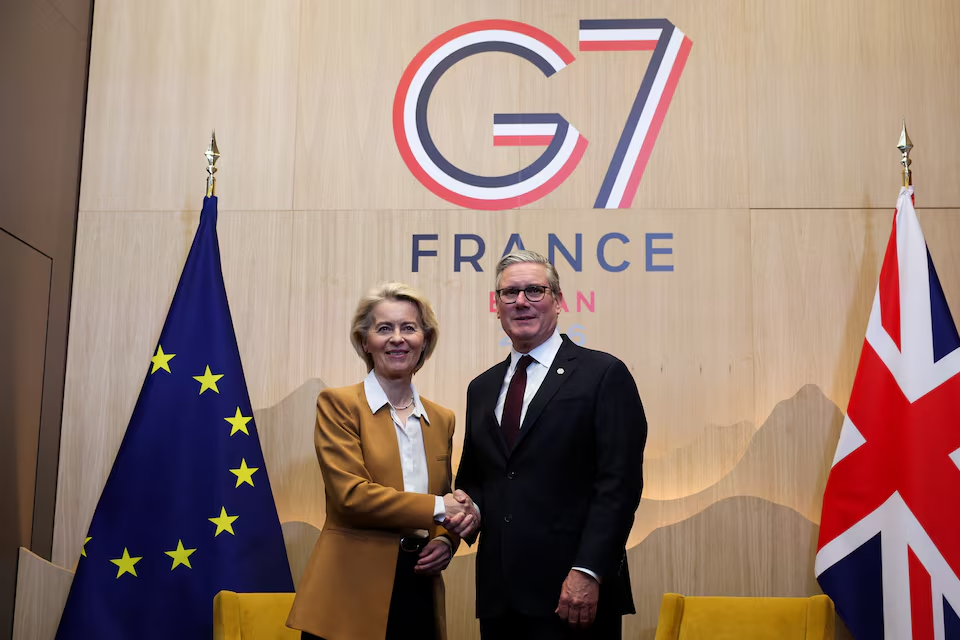
European Commission President Ursula von der Leyen was among the first leaders to pay tribute after his resignation announcement.
“It can take many leaders years to grow into the statesman you became in just two years,” she wrote on social media. “European and Ukrainian security is stronger because of you.”
Her comments matched a view held by many European officials: that Starmer helped stabilize relations at a time of growing geopolitical uncertainty.
Ukraine’s Steady Ally
One of Starmer’s clearest foreign policy achievements was keeping Britain’s support for Ukraine intact.
Since Russia launched its full-scale invasion of Ukraine in 2022, Britain has been one of Kyiv’s most important allies. Successive governments supplied military aid, imposed sanctions on Moscow and coordinated closely with European and NATO partners.
Starmer continued that policy after entering Downing Street.
Working alongside French President Emmanuel Macron and German Chancellor Friedrich Merz, he remained part of the so-called “E3” group of major European powers shaping the continent’s response to the war.
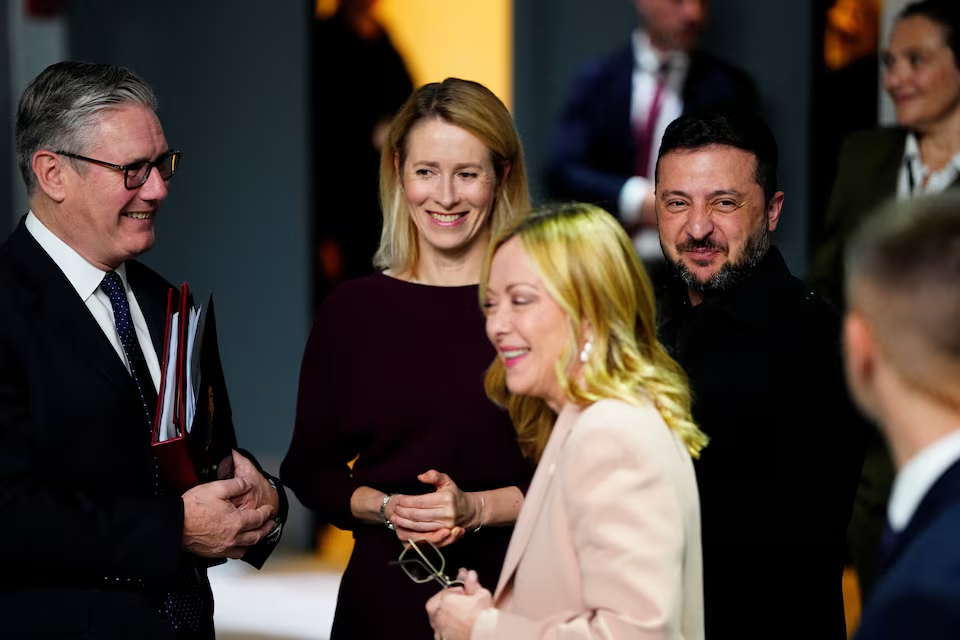
Ukrainian President Volodymyr Zelenskyy thanked Starmer personally, saying their conversations had always been meaningful and productive.
“Keir, you are always a welcome guest in Ukraine,” Zelenskyy wrote on social media.
For many European governments, Starmer’s reliability on Ukraine became one of the defining features of his premiership.
Popularity Problems at Home
Britain’s outgoing Prime Minister Keir Starmer received warm tributes from European leaders on Monday after announcing his resignation, despite leaving office with falling approval ratings and growing political pressure at home.
Starmer’s departure brings an abrupt end to a premiership that began with enormous promise. In the 2024 general election, he led the Labour Party to a landslide victory, ending 14 years of Conservative rule and becoming the country’s first centre-left prime minister since the Brexit era began.
Yet less than two years later, mounting voter dissatisfaction, economic frustrations and the rise of anti-establishment parties forced him to step aside.
British voters increasingly questioned his leadership. Many of his counterparts across Europe saw him differently. To them, Starmer meant stability, predictability and a renewed willingness by Britain to work closely with its European neighbours after years of post-Brexit tension.
Repairing Relations After Brexit
Although Starmer repeatedly rejected any suggestion that Britain should rejoin the European Union, he spent much of his time in office trying to improve relations with Brussels.
Britain’s departure from the EU in 2020 left deep political and diplomatic scars. Disputes over trade arrangements, Northern Ireland and immigration often created friction between London and European capitals.
Starmer took a more cooperative approach. His government reopened channels of communication with EU leaders and focused on practical cooperation in areas such as security, trade and energy.
European Commission President Ursula von der Leyen was among the first leaders to pay tribute after his resignation announcement.
“It can take many leaders years to grow into the statesman you became in just two years,” she wrote on social media. “European and Ukrainian security is stronger because of you.”
Her comments matched a view held by many European officials: that Starmer helped stabilize relations at a time of growing geopolitical uncertainty.
Ukraine’s Steady Ally
One of Starmer’s clearest foreign policy achievements was keeping Britain’s support for Ukraine intact.
Since Russia launched its full-scale invasion of Ukraine in 2022, Britain has been one of Kyiv’s most important allies. Successive governments supplied military aid, imposed sanctions on Moscow and coordinated closely with European and NATO partners.
Starmer continued that policy after entering Downing Street.
Working alongside French President Emmanuel Macron and German Chancellor Friedrich Merz, he remained part of the so-called “E3” group of major European powers shaping the continent’s response to the war.
Ukrainian President Volodymyr Zelenskyy thanked Starmer personally, saying their conversations had always been meaningful and productive.
“Keir, you are always a welcome guest in Ukraine,” Zelenskyy wrote on social media.
For many European governments, Starmer’s reliability on Ukraine became one of the defining features of his premiership.
Popularity Problems at Home
The praise from abroad stood in sharp contrast to the political reality Starmer faced in Britain.
After winning a commanding majority in Parliament, expectations were high that his government would quickly improve living standards and restore trust in politics.
Instead, he struggled to convince voters that meaningful change was taking place.
Britain’s economy continued to face sluggish growth, public services remained under pressure and concerns over immigration persisted. At the same time, many voters grew frustrated with mainstream political parties and increasingly turned toward insurgent movements promising dramatic change.
Political analysts note that Starmer’s difficulties mirror challenges faced by leaders across Europe.
Governments in Germany, France and other major economies have all seen rising support for populist parties as voters express dissatisfaction with inflation, housing costs and economic uncertainty.
At home, critics frequently described Starmer as lacking charisma and struggling to communicate a clear vision for Britain’s future.
Those concerns damaged his standing with British voters. They appeared to matter far less to his counterparts overseas.
Ireland Credits Starmer for Diplomatic Reset
Irish Prime Minister Micheál Martin was among the leaders who praised Starmer’s efforts to improve Britain’s relationships with its neighbours.
“I want to acknowledge the significant role Keir played in resetting the Irish-British relationship as well as relations between the UK and the European Union during his time as prime minister,” Martin said.
Relations between London and Dublin had grown strained in the years following Brexit, particularly over trade arrangements involving Northern Ireland.
Starmer’s government worked to lower tensions and rebuild trust, a move that won praise from both Ireland and European institutions.
Germany Sees a Reliable Partner
Germany also offered warm words following Starmer’s resignation.
A spokesperson for Chancellor Friedrich Merz described the British leader as “a reliable and close partner.”
Merz himself did not immediately release a personal statement.
The German leader faces his own political troubles at home, with recent polls showing declining approval ratings and growing media speculation about his future.
The parallels between Starmer’s situation and other European leaders’ point to broader political pressure facing governments across the continent. Economic concerns, migration debates and voter frustration with traditional parties have made governing harder almost everywhere.
Trump Delivers a Blunt Farewell
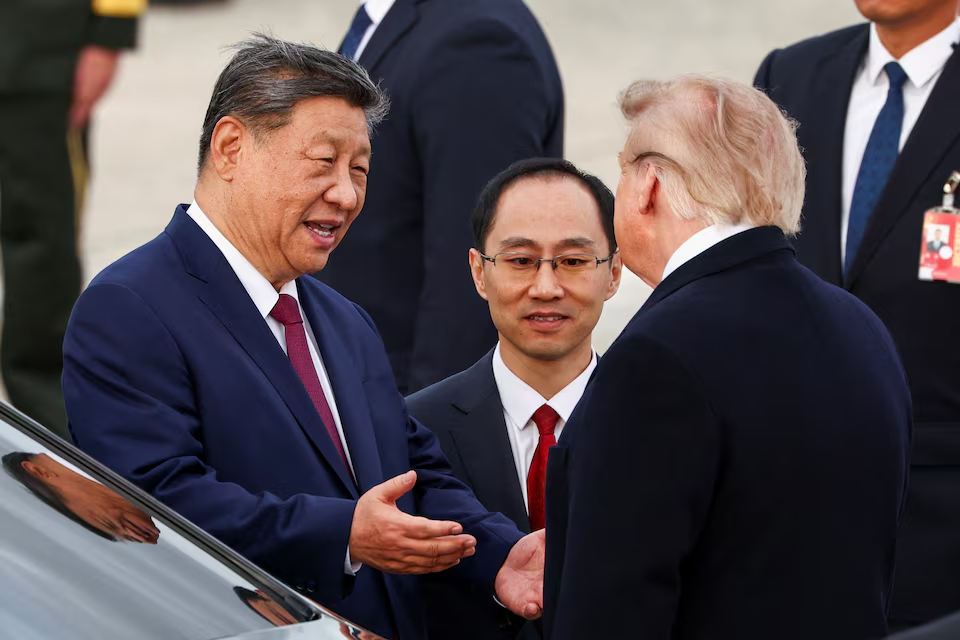
Across the Atlantic, the reaction was notably colder.
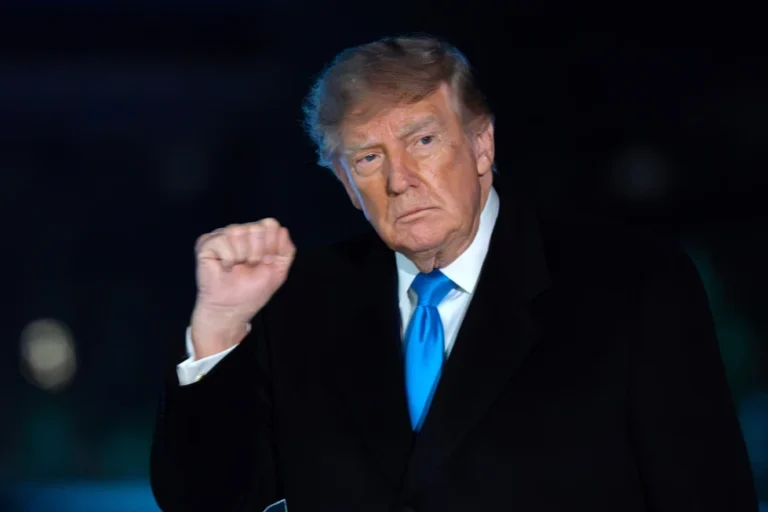
U.S. President Donald Trump had already predicted Starmer’s departure before the British leader formally announced his resignation.
Trump accused Starmer of failing on immigration and energy policy, two issues where the two leaders frequently disagreed.
The American president has repeatedly criticized Britain’s energy policies and called for greater domestic oil and gas production.
His comments reflected a relationship that was often cordial in public but marked by real policy differences.
The sharp tone of Trump’s remarks contrasted strongly with the praise coming from European capitals.
Moscow Claims Credit
Russia’s response was even more confrontational.
Kirill Dmitriev, a senior envoy for Russian President Vladimir Putin, claimed on social media that Moscow had played a role in Starmer’s political downfall.
“We did this jointly,” Dmitriev wrote, referring to criticism of Starmer’s policies on Ukraine, immigration, energy and the economy.
The remarks seemed designed to provoke, and to put the deep tensions between London and Moscow on display.
Under Starmer, Britain remained one of the Kremlin’s strongest critics and a firm supporter of sanctions against Russia.
A Divided Legacy
Keir Starmer leaves office with a mixed legacy.
At home, he struggled to convert a huge electoral mandate into lasting political support. Economic pressures and voter frustrations gradually eroded his popularity and ultimately ended his premiership.
Abroad, many leaders saw him as a dependable ally who helped rebuild Britain’s standing in Europe and kept support for Ukraine strong through one of the continent’s most dangerous stretches since the Cold War.
His resignation ends another short, turbulent run in British politics.
The next Labour leader will inherit a country still wrestling with many of the same problems that brought Starmer down: sluggish economic growth, public dissatisfaction and a political map splitting into more pieces by the year.
Whether his successor can succeed where he failed is now one of the biggest questions facing Britain.
The praise from abroad stood in sharp contrast to the political reality Starmer faced in Britain.
After winning a commanding majority in Parliament, expectations were high that his government would quickly improve living standards and restore trust in politics.
Instead, he struggled to convince voters that meaningful change was taking place.
Britain’s economy continued to face sluggish growth, public services remained under pressure and concerns over immigration persisted. At the same time, many voters grew frustrated with mainstream political parties and increasingly turned toward insurgent movements promising dramatic change.
Political analysts note that Starmer’s difficulties mirror challenges faced by leaders across Europe.
Governments in Germany, France and other major economies have all seen rising support for populist parties as voters express dissatisfaction with inflation, housing costs and economic uncertainty.
At home, critics frequently described Starmer as lacking charisma and struggling to communicate a clear vision for Britain’s future.
Those concerns damaged his standing with British voters. They appeared to matter far less to his counterparts overseas.
Ireland Credits Starmer for Diplomatic Reset
Irish Prime Minister Micheál Martin was among the leaders who praised Starmer’s efforts to improve Britain’s relationships with its neighbours.
“I want to acknowledge the significant role Keir played in resetting the Irish-British relationship as well as relations between the UK and the European Union during his time as prime minister,” Martin said.
Relations between London and Dublin had grown strained in the years following Brexit, particularly over trade arrangements involving Northern Ireland.
Starmer’s government worked to lower tensions and rebuild trust, a move that won praise from both Ireland and European institutions.
Germany Sees a Reliable Partner
Germany also offered warm words following Starmer’s resignation.
A spokesperson for Chancellor Friedrich Merz described the British leader as “a reliable and close partner.”
Merz himself did not immediately release a personal statement.
The German leader faces his own political troubles at home, with recent polls showing declining approval ratings and growing media speculation about his future.
The parallels between Starmer’s situation and other European leaders’ point to broader political pressure facing governments across the continent. Economic concerns, migration debates and voter frustration with traditional parties have made governing harder almost everywhere.
Trump Delivers a Blunt Farewell
Across the Atlantic, the reaction was notably colder.
U.S. President Donald Trump had already predicted Starmer’s departure before the British leader formally announced his resignation.
Trump accused Starmer of failing on immigration and energy policy, two issues where the two leaders frequently disagreed.
The American president has repeatedly criticized Britain’s energy policies and called for greater domestic oil and gas production.
His comments reflected a relationship that was often cordial in public but marked by real policy differences.
The sharp tone of Trump’s remarks contrasted strongly with the praise coming from European capitals.
Moscow Claims Credit
Russia’s response was even more confrontational.
Kirill Dmitriev, a senior envoy for Russian President Vladimir Putin, claimed on social media that Moscow had played a role in Starmer’s political downfall.
“We did this jointly,” Dmitriev wrote, referring to criticism of Starmer’s policies on Ukraine, immigration, energy and the economy.
The remarks seemed designed to provoke, and to put the deep tensions between London and Moscow on display.
Under Starmer, Britain remained one of the Kremlin’s strongest critics and a firm supporter of sanctions against Russia.
A Divided Legacy
Keir Starmer leaves office with a mixed legacy.
At home, he struggled to convert a huge electoral mandate into lasting political support. Economic pressures and voter frustrations gradually eroded his popularity and ultimately ended his premiership.
Abroad, many leaders saw him as a dependable ally who helped rebuild Britain’s standing in Europe and kept support for Ukraine strong through one of the continent’s most dangerous stretches since the Cold War.
His resignation ends another short, turbulent run in British politics.
The next Labour leader will inherit a country still wrestling with many of the same problems that brought Starmer down: sluggish economic growth, public dissatisfaction and a political map splitting into more pieces by the year.
Whether his successor can succeed where he failed is now one of the biggest questions facing Britain.