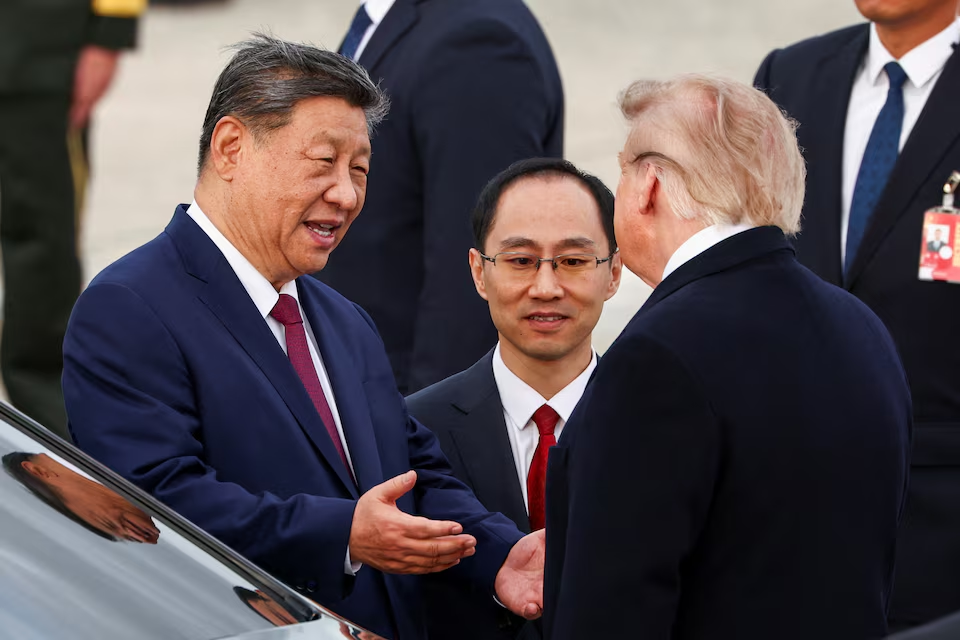

When Keir Starmer became Britain’s prime minister in 2024, he was widely seen as the leader who would restore stability after years of political upheaval.
The former human rights lawyer had rebuilt the Labour Party from the wreckage of its 2019 election defeat and delivered one of the largest parliamentary majorities in modern British history. For many voters, Starmer represented competence, seriousness and calm leadership after years of Brexit battles and political turmoil.
Yet less than two years after entering Downing Street, his premiership has ended in disappointment. On Monday, Starmer announced his resignation. It closed out an administration that struggled to define its purpose and hold onto public support.
The qualities that won him power also undid him. His pragmatism and caution left supporters unsure what he actually stood for, or where he wanted to take the country.
A Leader Without a Defining Vision
According to more than 20 Labour figures and advisers, one of Starmer’s biggest weaknesses was his inability to articulate a long-term vision for Britain.
He concentrated on achievable policies and incremental reforms rather than a broad political mission that voters could rally behind.
A senior Labour lawmaker described the problem simply: the government lacked “a guiding light.”
Without a clear ideological direction, Starmer often appeared to be reacting to events rather than shaping them. Different factions within Labour pushed competing agendas, while lobbying groups and advisers fought for influence.
As a result, the government changed course again and again. It looked indecisive.
Many voters saw caution tip into hesitation. He came across as scripted, even robotic, and rarely connected with people emotionally.
Turning to Family During a Political Crisis
As pressure mounted this year, Starmer increasingly relied on his wife, Victoria, for personal advice.
Following disastrous local election results in May that triggered calls for his resignation, the prime minister reportedly spent hours discussing his future with her. After a long lunch together, he initially decided to fight on.
But weeks later, a private weekend at the prime minister’s country residence, Chequers, appears to have changed his thinking.
By then, support within Labour had collapsed.
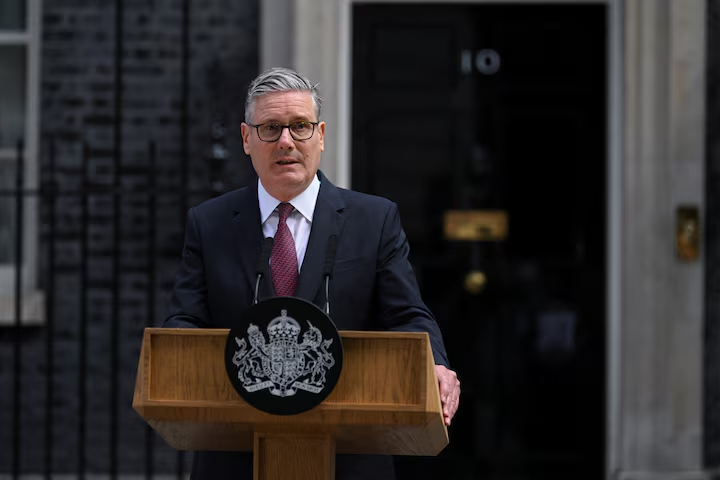
In an emotional speech outside 10 Downing Street, Starmer acknowledged that many in his party no longer believed he was the right person to lead Labour into the next general election.
“The question my party is asking now is whether I am best placed to lead us into the next general election,” he said.
“I have heard the answer from my parliamentary party to that question and I accept that answer with good grace.”
His voice broke as he thanked his family for their support.
Fear of Nigel Farage Changed the Political Calculation
A major factor behind the campaign to remove Starmer was the growing strength of Nigel Farage and his party, Reform UK.
Many Labour MPs feared Starmer could not defeat Farage at the next election.
The expected successor, Andy Burnham, is increasingly viewed within Labour as the politician best positioned to stop Reform’s rise.
One Labour lawmaker summed up the mood inside the party.
“I would do anything to stop Farage.”
The fear of losing working-class voters to Reform accelerated efforts to force a leadership transition before the next national election in 2029.
Rebuilding Labour Was Easier Than Governing Britain
Starmer’s rise had been remarkable.
After entering Parliament in 2015, he became Labour leader just five years later following the party’s worst election performance since 1935.
His mission was to rebuild a party split by accusations of antisemitism and confusion over Brexit under his predecessor, Jeremy Corbyn.
Drawing on his experience as Britain’s Director of Public Prosecutions, Starmer approached politics methodically.
He sought to eliminate factionalism, restore Labour’s finances and reposition the party as a credible government-in-waiting.
Initially, the strategy worked.
Labour won a landslide in 2024, but the victory rested on fragile ground. The party’s vote share stayed low by historical standards, and depended heavily on tactical voting against the Conservatives. As elections analyst Sir John Curtice put it, it looked more like an election the Conservatives lost than one Labour won.
Government Struggled to Deliver Results
Once in power, Labour found governing much harder than campaigning.
The administration focused heavily on economic growth, reducing illegal migration and improving the National Health Service. Yet progress in all three areas proved limited.
Economic growth remained sluggish.
Small boat crossings continued to dominate political debate.
The health service kept struggling even with reforms and extra funding.
Former advisers say Labour entered government without a detailed plan.
One senior figure recalled being told during opposition years to avoid developing too many policies because doing so could “frighten people” before the election.
The result was a government that often appeared unprepared for the realities of power.
Controversies and Policy Reversals Damaged Trust
As frustrations grew, several controversies further weakened Starmer’s authority.
Policy reversals made the government look inconsistent.
Questions over political donations generated negative headlines.
The appointment of veteran Labour figure Peter Mandelson became especially damaging because of scrutiny surrounding his connections to late financier Jeffrey Epstein.
Starmer said he hadn’t been fully briefed on the extent of those ties. That claim raised doubts about whether he was really in control of his own government.
Several close advisers eventually departed, including former chief of staff Morgan McSweeney.
Relations with parts of the civil service also deteriorated after changes in senior government positions.
Success Abroad Could Not Save Him at Home
Starmer fared better abroad than at home.
He played a leading role in European discussions on Ukraine and worked closely with allies on security issues.
Alongside Emmanuel Macron, he also took part in efforts to ease tensions around the Strait of Hormuz.
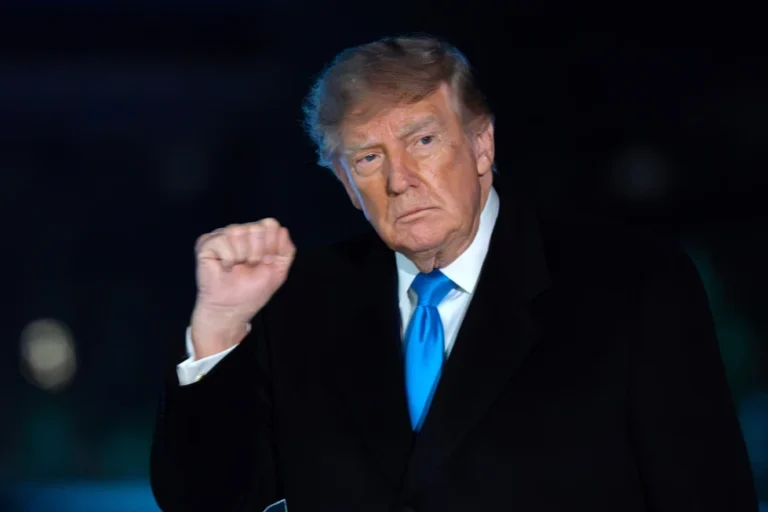
For a period, he even developed a workable relationship with U.S. President Donald Trump.
But that relationship later soured.
Trump publicly criticized Starmer over immigration policies and Britain’s refusal to become directly involved in the conflict with Iran.
On social media, Trump declared that Starmer had failed on “IMMIGRATION AND ENERGY.”
A Lasting Political Legacy
Starmer’s departure leaves Labour facing difficult questions about its future.
His biggest legacy may be how much he reshaped British politics itself.
The old dominance of Labour and the Conservatives has eroded.
Recent elections across England, Scotland and Wales showed growing support for Reform UK and other smaller parties.
Reform’s membership has surged past 270,000. That makes it one of the fastest-growing political movements in the country.
Starmer had repeatedly warned his party that confronting Reform would be “the fight of our lives.”
In the end, many within Labour concluded that someone else would need to lead that battle.
His resignation ends a premiership that began with enormous expectations and finished in frustration, exhaustion, and open questions about what his government was actually trying to do.