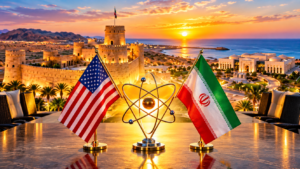


Just as hopes were beginning to grow that diplomacy might slow the conflict between the United States and Iran, a fresh round of military threats and attacks has pushed the two sides closer to another dangerous escalation.
On Thursday, U.S. President Donald Trump warned that American forces would strike Iran “very hard” following new exchanges of fire across the Gulf region. His comments came as indirect negotiations between Washington and Tehran reportedly intensified behind the scenes, highlighting the unusual reality that diplomacy and military confrontation are unfolding at the same time.
The conflict, now stretching beyond three months, has already claimed thousands of lives, shaken energy markets, and increased fears that the Middle East could slide into an even broader regional war.
Trump Raises Pressure With Threat Against Iran’s Oil Lifeline
In a series of remarks that quickly captured global attention, Trump suggested the United States could eventually target Kharg Island, Iran’s most important oil export terminal and one of the country’s most valuable strategic assets.
Located in the Persian Gulf, Kharg Island serves as the primary gateway for Iranian crude exports. Before the conflict disrupted normal operations, millions of barrels of oil flowed through the facility every day, generating critical revenue for Tehran.
Trump argued that controlling key Iranian energy infrastructure would increase pressure on the Iranian government and weaken its ability to sustain the war effort.
His comments immediately fueled speculation about whether Washington is considering a broader military campaign aimed at crippling Iran’s economic foundations rather than simply targeting military facilities.
While military experts caution that seizing or controlling Kharg Island would require a complex operation involving ground forces, Trump’s remarks signaled that the White House is willing to keep all options on the table.
Tehran Responds With Defiance
Iranian officials were quick to push back against Trump’s warnings.
Senior lawmakers and security officials said any new American military action would trigger a powerful response from Tehran.
Iran’s leadership has repeatedly emphasized that it will retaliate against attacks on its territory, military assets, or critical infrastructure.
The exchange of threats reflects the increasingly hostile tone that has characterized relations between the two countries throughout the conflict.
Neither side appears willing to publicly signal weakness, even as diplomatic channels remain active behind closed doors.
A War Taking a Heavy Toll
The conflict has already left deep scars across the region.
Since fighting intensified earlier this year, thousands of people have reportedly been killed, with much of the destruction concentrated in Iran and Lebanon.
Cities, military installations, and infrastructure have been repeatedly targeted, while civilians continue to bear the consequences of prolonged instability.
The economic impact has also been significant.
Global energy markets have closely monitored developments in the Gulf, particularly around the Strait of Hormuz, one of the world’s most important shipping routes for oil and natural gas.
Although oil prices remained relatively stable on Thursday, traders remain wary of any event that could disrupt supplies or further destabilize the region.
Diplomacy Continues Behind the Scenes
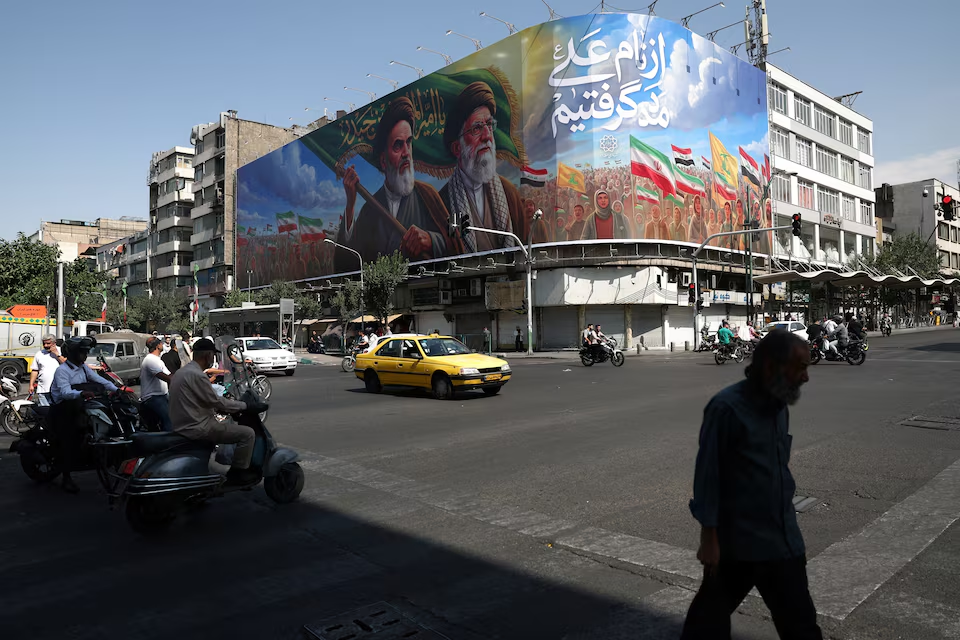
Despite the escalating rhetoric, multiple sources familiar with negotiations say communication between Washington and Tehran has actually increased in recent weeks.
Officials from both sides are reportedly exploring a framework for a preliminary peace agreement, though major obstacles remain.
Among the most contentious issues is the future of billions of dollars in Iranian assets frozen abroad.
Iran wants unrestricted access to the funds, arguing that they belong to the Iranian people and government.
The United States, meanwhile, is reportedly seeking a phased release mechanism that would allow the money to be used primarily for humanitarian purposes.
Other unresolved issues include sanctions relief, maritime security, regional military activities, and the future of Iran’s nuclear program.
While Trump insists any agreement must prevent Iran from obtaining nuclear weapons, Tehran continues to deny that it is pursuing such capabilities.
Negotiating While Fighting
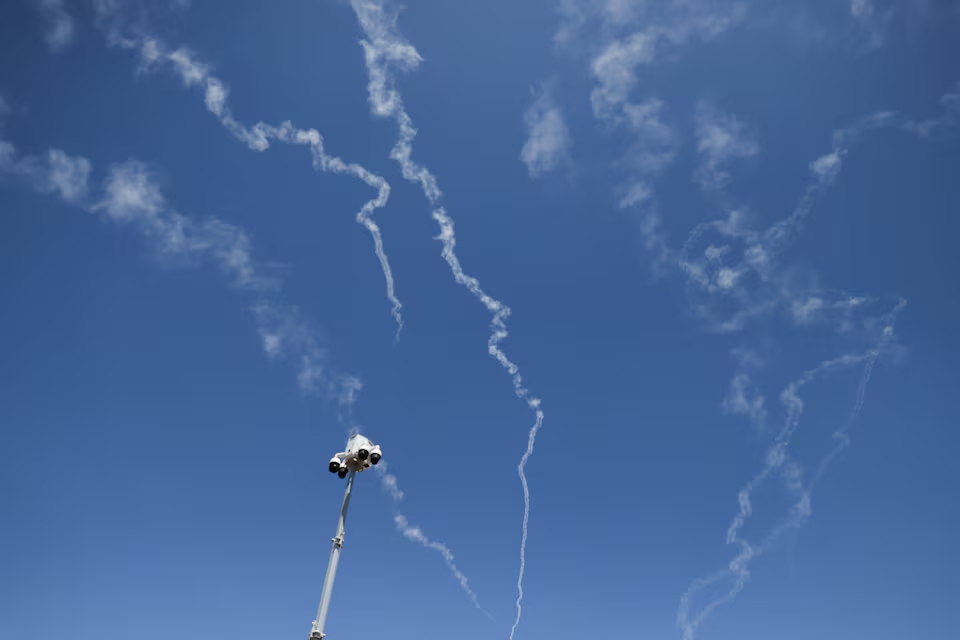
The current situation has created a striking contradiction.
On one hand, negotiators are attempting to lay the groundwork for a peace agreement.
On the other, military operations continue almost daily.
The result is a conflict where bombs and diplomacy are moving forward simultaneously.
Trump has repeatedly said he believes a deal is achievable, even as he authorizes military pressure on Iran.
Some analysts argue that Washington views military action as leverage designed to strengthen its negotiating position.
Others warn that continued attacks risk undermining trust and could make a diplomatic breakthrough far more difficult.
Either way, the strategy has created an atmosphere where every military incident has the potential to affect the course of negotiations.
New Attacks Across the Gulf
Thursday’s violence highlighted how quickly the conflict can escalate.
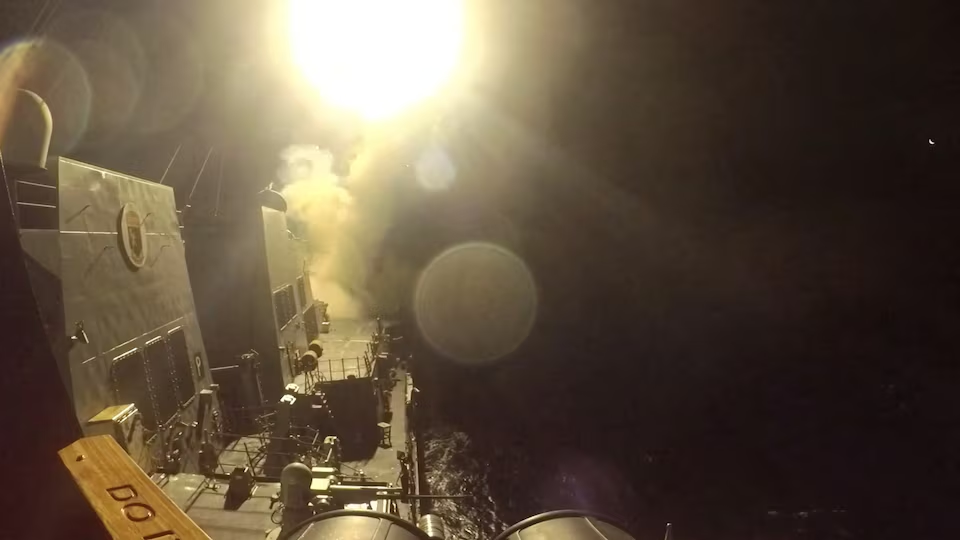
U.S. forces carried out strikes against targets inside Iran, while Iranian forces launched attacks against American military facilities across the Gulf region.
Iran’s Revolutionary Guard said it targeted U.S. positions in Bahrain, Kuwait, and Jordan, as well as assets linked to the U.S. Navy’s Fifth Fleet.
Reports from Iran also described explosions in several cities, with local media saying civilians were injured.
The attacks followed the recent downing of an American Apache helicopter near the Strait of Hormuz, an incident that significantly increased tensions and helped trigger Washington’s latest military response.
India Drawn Into the Fallout
The conflict’s consequences are now reaching far beyond the United States and Iran.
India voiced concern after three Indian sailors were killed during a U.S. strike on a tanker near Oman as part of efforts to enforce restrictions on Iran-linked shipping.
Indian officials called for greater protection of civilian crews operating in Gulf waters and urged all parties to avoid actions that endanger commercial vessels.
The deaths have added a new diplomatic challenge for Washington, particularly as international concerns grow over the safety of maritime trade routes.
A Critical Moment for the Region
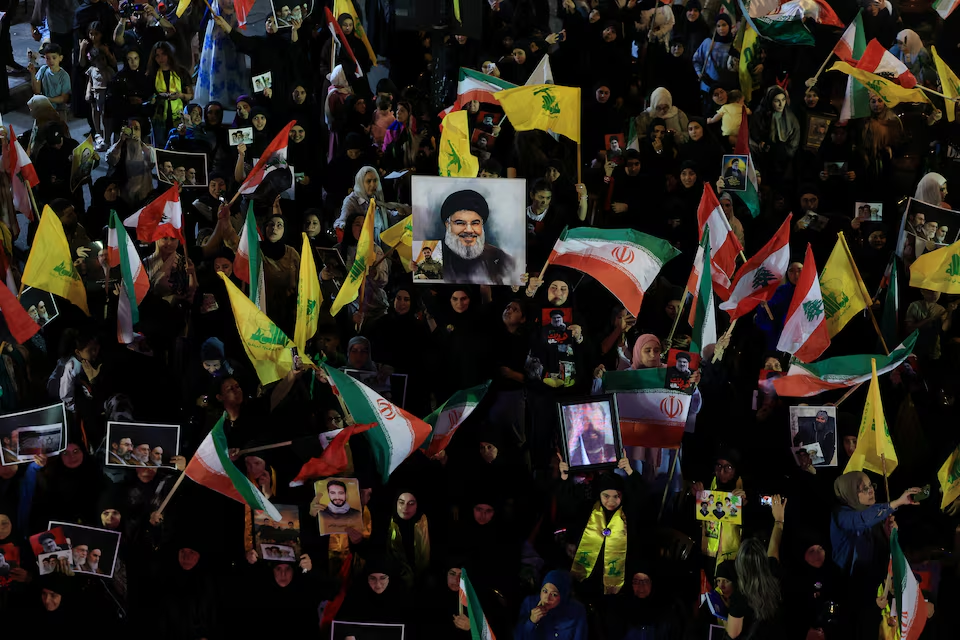
As military threats intensify and negotiations continue, the Gulf region finds itself at a critical crossroads.
Both Washington and Tehran insist they are prepared to defend their interests, yet both also appear unwilling to completely abandon diplomacy.
That leaves the conflict balanced between two very different paths.
One leads toward a negotiated settlement that could ease tensions and restore stability.
The other risks a deeper confrontation that could draw in additional countries, disrupt global energy markets, and further destabilize an already fragile region.
For now, neither outcome appears certain.
What is clear, however, is that every new strike, threat, and negotiation session is shaping the future of one of the world’s most dangerous geopolitical crises.