
Ghana’s reputation as one of Africa’s leading mining destinations could face growing pressure amid concerns over mining lease revocations, delayed renewals and shifting government policies, according to industry leaders warning that investor confidence may be at risk.
Kenneth Ashigbey, head of the Ghana Chamber of Mines, said uncertainty surrounding major mining concessions could create doubts about the long-term stability of the country’s investment environment.
Speaking to Reuters on Thursday, Ashigbey warned that recent government actions may send a troubling message to international investors about the security of mining rights in Ghana.
Concerns Over Lease Revocations and Renewals
The industry’s concerns follow the revocation of some mining leases held by Adamus Resources over alleged regulatory violations. At the same time, uncertainty continues to surround the future of a major concession held by South African mining giant Gold Fields.
Particular attention has focused on the Tarkwa mine, one of Ghana’s most significant gold-producing assets. The mine produced approximately 427,000 ounces of gold in 2025 and remains central to Gold Fields’ operations in West Africa.
Although the Tarkwa lease is not due to expire until 2027, Ashigbey said efforts to begin renewal discussions have reportedly stalled, creating unease within the mining sector.
He cautioned that delays or uncertainty regarding lease renewals could damage Ghana’s standing as a reliable destination for long-term mining investment.
Ghana Pushes for Greater Resource Control
Like several African resource-producing nations, Ghana has recently intensified efforts to secure a larger share of revenues from its natural resources amid rising global commodity prices.
Last year, the government declined to renew Gold Fields’ lease for the smaller Damang mine and instead reassigned the asset to local contractor Engineers & Planners.
The decision sparked debate within the mining industry over the balance between promoting local participation and maintaining investor confidence.
This week, the Institute for Economic Affairs argued that the Tarkwa lease should also be transferred to local operators instead of being renewed for Gold Fields.
Industry Warns of Investment Risks
Ashigbey criticized proposals to redistribute major mining concessions without clear legal and regulatory processes, arguing that such actions could undermine confidence in Ghana’s mining framework.
He stressed that stable lease agreements and predictable regulations are essential for attracting long-term capital to the mining industry, which often requires billions of dollars in infrastructure and operational investment.
According to Ashigbey, uncertainty over mining rights could increase operational risks and raise financing costs for companies already facing global inflationary pressures and rising production expenses.
A mining executive familiar with the situation, who declined to be identified due to the sensitivity of the matter, reportedly said Gold Fields remains concerned about the lack of progress in discussions with government officials.
“Tarkwa is a major operation because of the production volumes it contributes,” the executive said.
Strategic Importance of Ghana’s Gold Sector
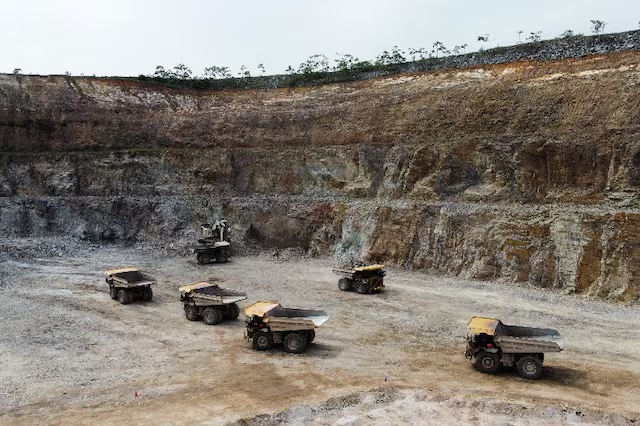
Ghana remains Africa’s largest gold producer, and mining continues to play a critical role in the country’s economy through export earnings, employment and foreign investment.
However, analysts say maintaining investor confidence will be crucial as competition for mining capital intensifies globally.
While policymakers seek greater national benefits from mineral wealth, industry leaders argue that regulatory certainty and transparent negotiations will remain key to sustaining growth in Ghana’s mining sector over the long term.