
A fragile ceasefire between the United States and Iran appeared increasingly unstable on Monday after U.S. President Donald Trump sharply rejected Tehran’s latest response to a proposed peace framework, raising fears that the weeks-long conflict could spiral back into open warfare.
The standoff has already disrupted global energy supplies, rattled financial markets and intensified geopolitical tensions across the Middle East. While fighting has largely paused since the ceasefire took effect in early April, recent developments suggest negotiations remain deeply divided on core political and military issues.
Speaking to reporters on Monday, Trump described the ceasefire as being “on life support,” criticizing Iran’s formal response to a U.S.-backed proposal aimed at restarting negotiations.
“I would call it the weakest right now,” Trump said. “After reading that piece of garbage they sent us, I didn’t even finish reading it.”
Iran Demands End to Blockade and Sanctions

Iran’s response, delivered over the weekend, reportedly focused not only on halting the direct conflict with Washington but also on ending hostilities across the broader region, including fighting in Lebanon involving Israel and the Iran-backed militant group Hezbollah.
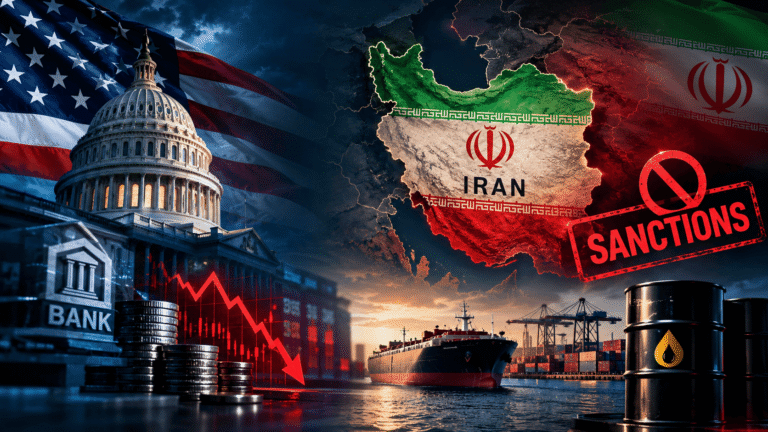
Tehran’s proposal called for an immediate end to military operations, the lifting of U.S. sanctions, compensation for war-related damages and the removal of restrictions on Iranian oil exports. Iranian officials also reiterated their claim over the Strait of Hormuz and demanded an end to what they described as a U.S. naval blockade in the Gulf.
The United States had initially hoped to secure a temporary end to fighting before entering broader negotiations on Iran’s nuclear program and regional military activities. However, the latest exchange underscores the large gap between both sides.
Iranian Foreign Ministry spokesperson Esmaeil Baghaei defended Tehran’s position, saying the country’s demands were justified after months of conflict and economic pressure.
“Our demand is legitimate,” Baghaei said. “We are calling for an end to the war, the lifting of the blockade and the release of Iranian assets that have been frozen under U.S. pressure.”
Iran’s parliamentary speaker, Mohammad Baqer Qalibaf, also warned that the country’s armed forces remain prepared to respond to any future military action.
Oil Markets React as Hormuz Remains Disrupted
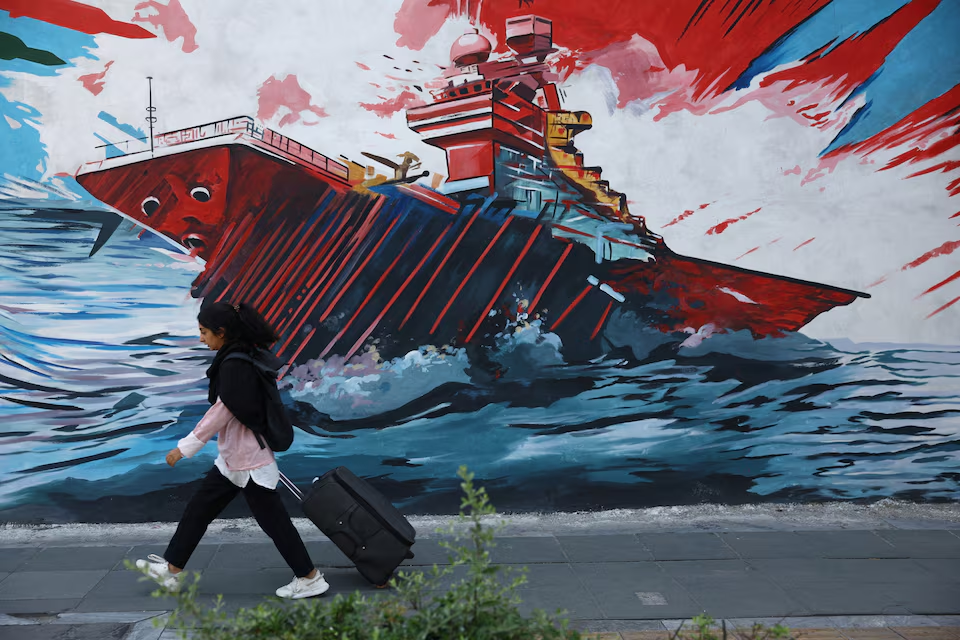
The deteriorating diplomatic outlook immediately affected global energy markets. Brent crude prices rose nearly 3% on Monday, climbing above $104 per barrel as uncertainty continued to surround shipping activity through the Strait of Hormuz.
The narrow waterway is one of the world’s most important energy corridors, carrying roughly 20% of global oil and liquefied natural gas supplies before the conflict erupted in February.
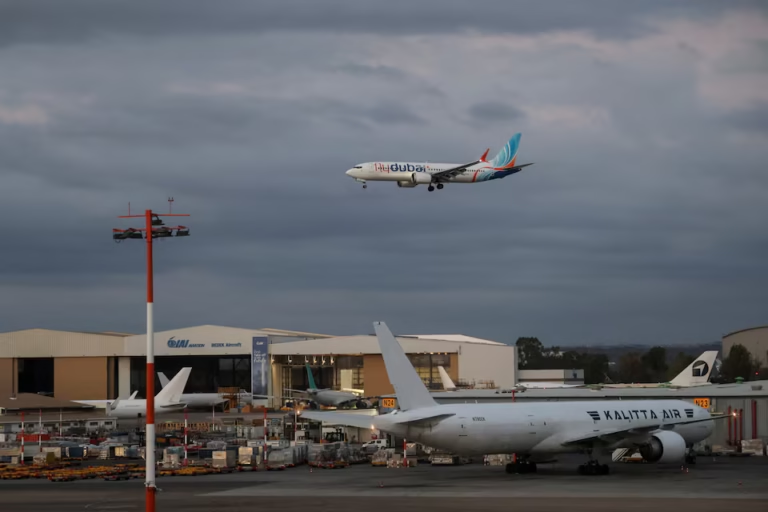
Although a ceasefire technically remains in place, maritime traffic through the strait has slowed dramatically. Shipping data showed only limited tanker movement in recent days, with some vessels reportedly switching off tracking systems while navigating the region to reduce the risk of attacks.
Energy analysts warn that continued disruption could place additional pressure on global fuel prices and worsen inflation in major economies already struggling with supply-chain instability.
According to industry surveys, OPEC oil production fell again in April to its lowest level in more than two decades as Gulf producers reduced exports amid security concerns.
Limited Shipping Activity Continues
Despite the tense environment, a small number of cargo vessels have cautiously resumed transit through Hormuz. Shipping platforms showed that several crude tankers exited the strait last week under heavily monitored conditions.
A second liquefied natural gas tanker from Qatar was also attempting to pass through the waterway following the successful transit of an earlier shipment arranged through regional mediation involving Iran and Pakistan.
Still, sporadic military flare-ups in and around the Gulf continue to threaten the ceasefire. U.S. naval forces and Iranian patrol units have exchanged warnings multiple times over the past week, heightening concerns that a single incident could reignite full-scale hostilities.
Political Pressure Mounts in Washington

Back in the United States, the conflict is increasingly becoming a political challenge for Trump ahead of congressional elections later this year.
Rising fuel prices and uncertainty over America’s long-term military objectives have contributed to growing public skepticism about the war. A recent Reuters/Ipsos poll found that a majority of Americans believe the administration has failed to clearly explain why the country became involved in the conflict with Iran.
Internationally, Washington has also struggled to rally broader military support. Several NATO allies have reportedly declined to participate in efforts to secure the Strait of Hormuz without a formal peace agreement and a multinational mandate.
Regional Diplomacy Intensifies
Regional powers continue diplomatic efforts aimed at preventing another escalation. Turkey’s Foreign Minister Hakan Fidan is expected to hold talks in Qatar focused on the conflict and maritime security in the Gulf.
Turkey, Pakistan and Qatar have all played important mediation roles since the fighting began earlier this year, attempting to maintain communication between Washington and Tehran.
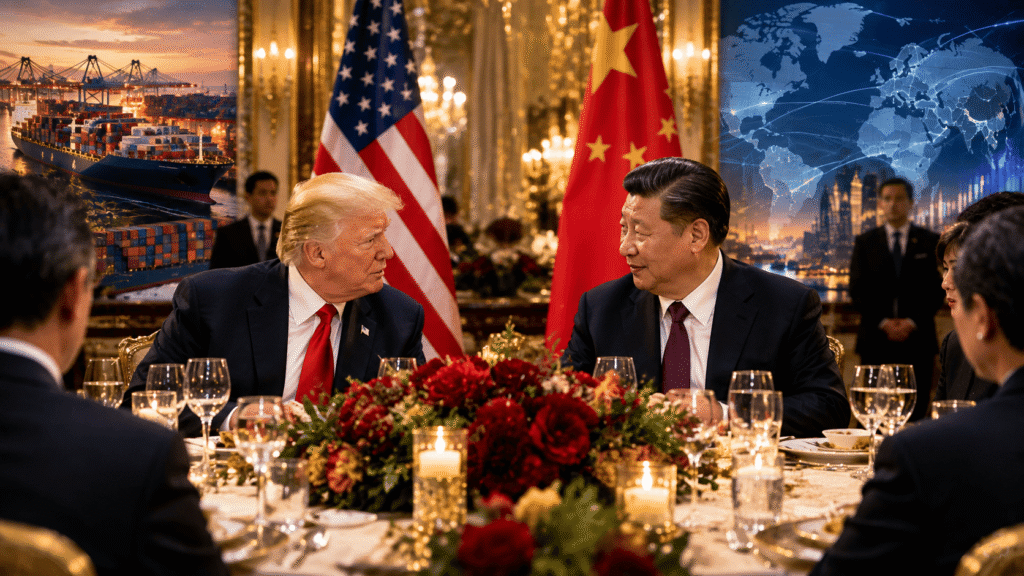
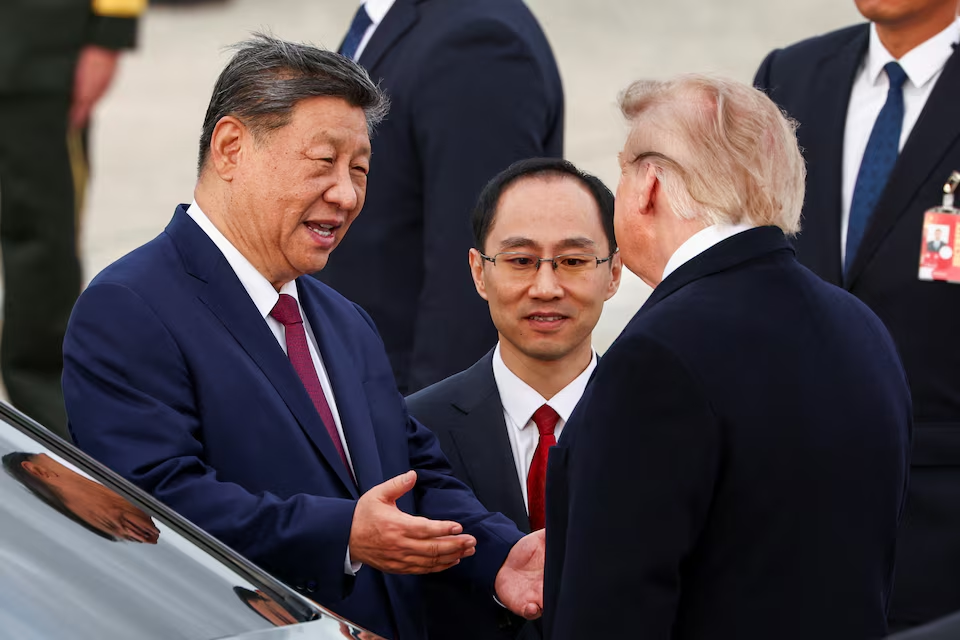
Meanwhile, Trump is expected to travel to Beijing later this week, where Iran is likely to feature prominently in discussions with Chinese President Xi Jinping.
The U.S. administration has increasingly looked to China, one of Iran’s largest economic partners, to pressure Tehran into accepting a broader agreement.
Iranian officials, however, suggested Beijing could instead challenge Washington’s approach in the region. Baghaei accused the United States of destabilizing Gulf security through what he described as “illegal and bullying actions.”
Israel Signals Conflict Is Not Over
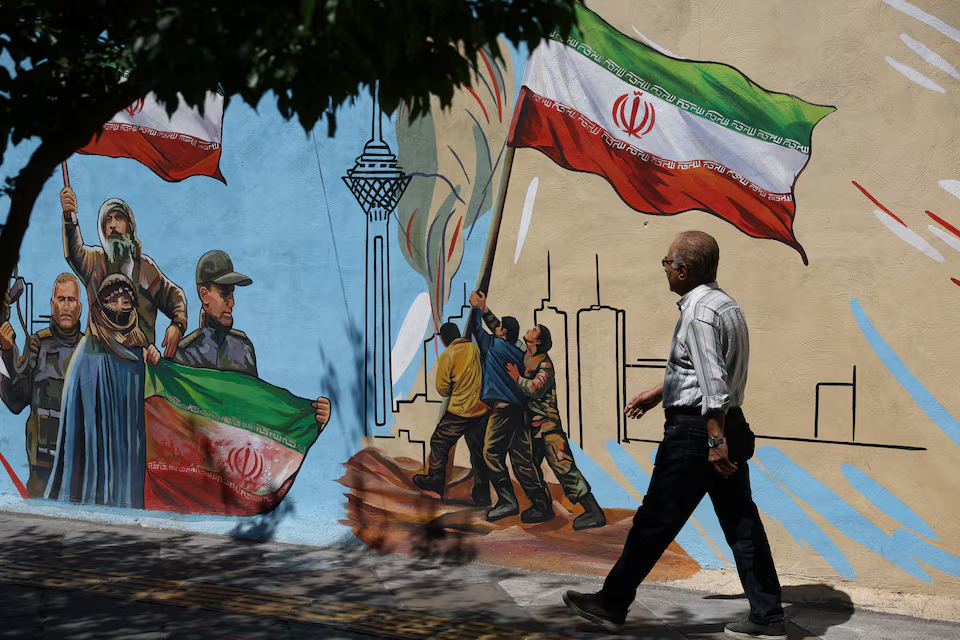
The uncertainty surrounding the ceasefire also extends to Israel’s parallel confrontation with Iranian-backed groups in the region.
Israeli Prime Minister Benjamin Netanyahu said the broader conflict was “not over,” stressing that more work remained to dismantle Iran’s nuclear infrastructure and curb its missile capabilities.
In an interview with CBS News’ “60 Minutes,” Netanyahu said diplomacy remained preferable but did not rule out additional military operations if negotiations failed.
Fighting has also continued intermittently in southern Lebanon despite a separate U.S.-brokered truce announced in April between Israel and Hezbollah.
A Fragile Pause Before the Next Move
While large-scale combat has paused for now, both Washington and Tehran appear far from a lasting settlement. Analysts say the ceasefire remains vulnerable due to unresolved disputes over sanctions, maritime access, regional militias and Iran’s nuclear ambitions.
For global markets and governments alike, the coming weeks could prove decisive. A diplomatic breakthrough may stabilize one of the world’s most strategically important regions. But if negotiations collapse entirely, the conflict could quickly return to open confrontation — with consequences reaching far beyond the Middle East.