
An Israeli airstrike has killed the son of one of Hamas’ top political leaders and negotiators, intensifying tensions at a critical moment in ongoing diplomatic efforts aimed at preserving the fragile ceasefire in Gaza and advancing broader negotiations over the territory’s future.
Senior Hamas official Basim Naim confirmed on Thursday that Azzam Al-Hayya, the son of Hamas chief negotiator Khalil Al-Hayya, died from wounds sustained during an Israeli strike carried out Wednesday night. The attack comes as Hamas leaders and regional mediators gathered in Cairo to discuss the next phase of a U.S.-backed peace initiative intended to prevent renewed large-scale conflict in Gaza.
The death of Azzam Al-Hayya marks another personal tragedy for Khalil Al-Hayya, one of Hamas’ most influential political figures. According to Hamas officials, he is now the fourth son of the senior leader to be killed in Israeli military operations over the years.
Israeli authorities did not immediately comment on the strike or confirm whether Azzam Al-Hayya was the intended target.
Renewed Violence Threatens Fragile Ceasefire
The latest escalation highlights the volatility surrounding ongoing negotiations intended to maintain the ceasefire that paused months of devastating fighting between Israel and Hamas.
Later on Thursday, Gaza health officials and the Hamas-run Interior Ministry reported another Israeli airstrike in western Gaza City that allegedly targeted a police position. Officials said at least three police officers were killed while several others, including one policeman, suffered injuries.
The Israeli military again declined immediate comment regarding the strike.
Israel has repeatedly accused Hamas of using police and internal security forces to reinforce its control over Gaza and assist militant operations. In recent months, Israeli forces have intensified attacks on what they describe as Hamas-linked security infrastructure across the enclave.
Security analysts say the targeting of Hamas-affiliated institutions reflects Israel’s broader strategy of weakening not only Hamas’ military wing but also its governing and administrative capabilities inside Gaza.
Khalil Al-Hayya Remains Central Figure in Negotiations
Khalil Al-Hayya has emerged as one of Hamas’ key diplomatic representatives during indirect negotiations with Israel, mediated primarily by the United States, Egypt and Qatar.
The senior Hamas official has played a major role in talks linked to the U.S.-supported Gaza reconstruction and ceasefire framework championed by President Donald Trump’s administration.
The plan, sometimes referred to by diplomats as the “Board of Peace” initiative, seeks to transition Gaza from active conflict toward reconstruction and long-term governance reforms. However, implementation has stalled amid deep disagreements between Hamas and Israel over security arrangements, prisoner exchanges and the future role of Hamas in Gaza.
Speaking to Al Jazeera before his son’s death was officially announced, Khalil Al-Hayya accused Israel of attempting to sabotage diplomatic progress through targeted killings and continued military operations.
“These attacks clearly show that the occupation does not truly want to commit to the ceasefire agreement or move seriously toward the next phase,” he said.
Hamas leaders argue that Israel’s ongoing strikes undermine mediator efforts and increase pressure on Palestinian negotiators during sensitive discussions.
Hamas Says Targeted Killings Will Not Change Its Position
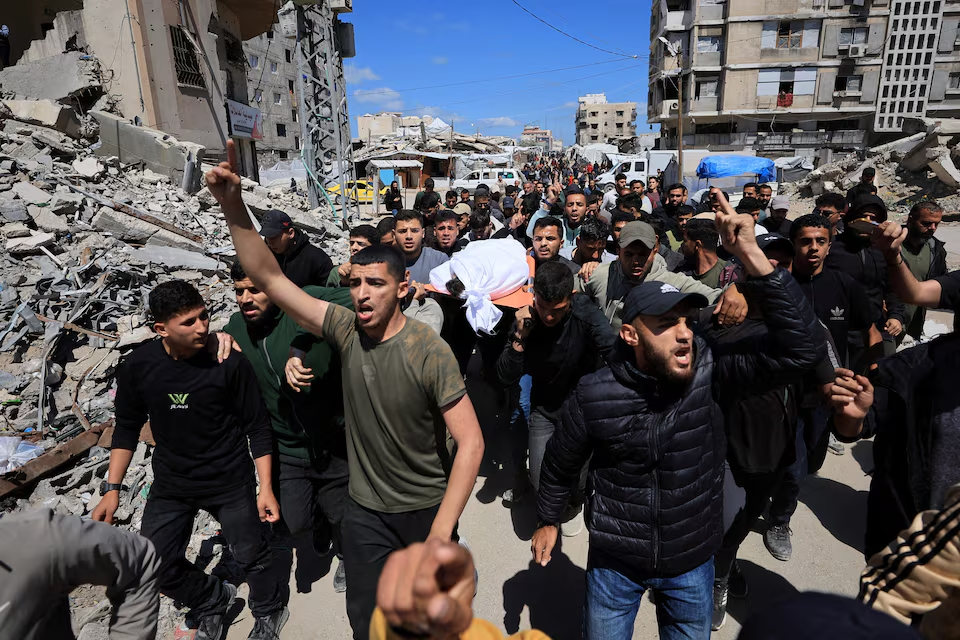
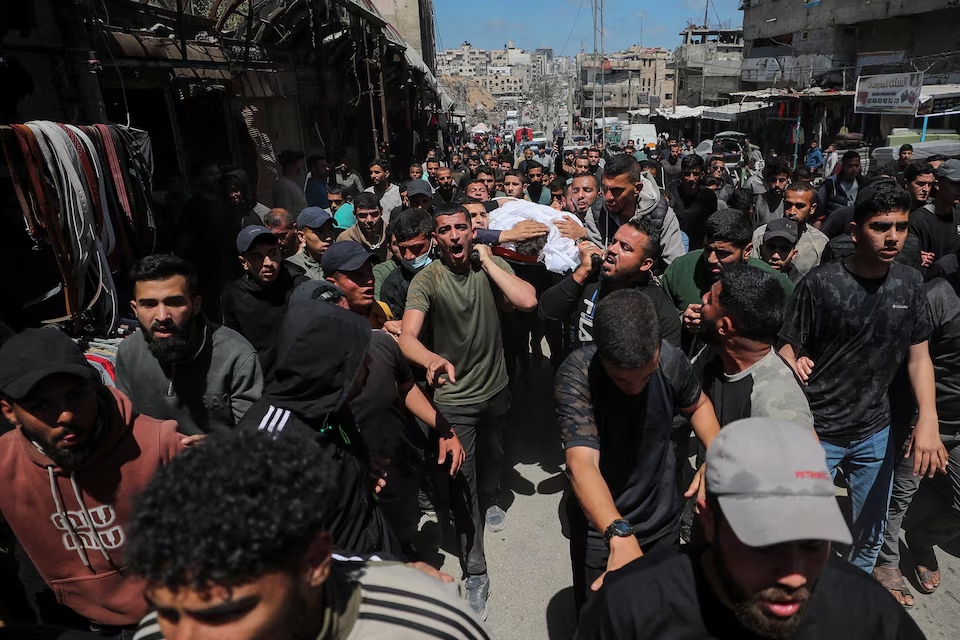
The killing of Azzam Al-Hayya triggered emotional scenes across Gaza, where mourners gathered for funeral prayers before carrying his body through the streets for burial.
Dozens of Palestinians attended the funeral procession, chanting religious slogans while relatives paid tribute to the slain man inside a crowded morgue.
Family members insisted the repeated killings would not weaken Khalil Al-Hayya’s resolve or alter Hamas’ negotiating stance.
“Your martyrdom will not change my father’s principles or his commitment to the Palestinian cause,” Azzam’s sister said during the funeral ceremony, referring as well to her brothers who were previously killed.
Hamas spokesperson Hazem Qassem also condemned the strike, describing it as an attempt to pressure the movement politically during negotiations.
“This policy of targeting leaders and their families will not force Hamas to abandon its political positions or make concessions under pressure,” Qassem told Reuters.
He argued that Israel’s military tactics were intended to influence ongoing ceasefire discussions but insisted Hamas would continue participating in negotiations without changing its core demands.
Cairo Talks Focus on Gaza’s Future
The killing occurred as Hamas representatives, Palestinian factions and regional mediators met in Cairo to revive momentum behind the second phase of the ceasefire agreement reached last October.
Officials familiar with the talks said discussions have focused on securing a longer-term truce, facilitating humanitarian aid deliveries and outlining plans for Gaza’s reconstruction after years of destruction.
The U.S.-backed framework reportedly calls for a phased withdrawal of Israeli troops from Gaza in exchange for Hamas scaling back or ultimately dismantling its armed operations.
However, Hamas’ refusal to fully disarm remains one of the biggest obstacles preventing a permanent settlement.
A Hamas official told Reuters that the group refuses to move into detailed second-phase negotiations until Israel fulfills all commitments tied to the original ceasefire agreement, including a complete halt to military strikes.
The disagreement has created growing frustration among mediators attempting to prevent a collapse of the truce.
Civilian Toll Continues to Rise
Despite the ceasefire officially remaining in effect, violence has continued across Gaza at a lower but persistent level.
According to Palestinian medical officials, more than 830 Palestinians have been killed since the ceasefire began. Israeli authorities, meanwhile, say militant attacks during the same period have killed four Israeli soldiers.
The humanitarian situation in Gaza remains dire, with hospitals struggling under shortages of medicine, electricity and medical supplies. International aid organizations have warned that renewed fighting could deepen an already severe humanitarian crisis affecting millions of civilians.
Israel maintains that its military operations target militants planning attacks against Israeli forces or civilians. Hamas and Palestinian officials, however, accuse Israel of using disproportionate force and deliberately undermining diplomatic progress.
Uncertain Road Ahead for Peace Efforts
The death of Azzam Al-Hayya adds another layer of complexity to already fragile negotiations over Gaza’s future.
Regional mediators fear that continued assassinations, retaliatory strikes and political mistrust could derail efforts to transition from temporary ceasefire arrangements toward a broader political settlement.
While diplomats continue pushing for compromise, the conflict remains deeply entrenched, with both sides showing little willingness to soften key positions on security, governance and military control.
For now, the Cairo talks continue under mounting pressure, even as violence on the ground threatens to overshadow hopes for a more lasting peace.