
President Donald Trump signed an executive order on Tuesday, Sept. 29, 2026, that renames artificial intelligence “super intelligence” across the federal government. The White House says the new term better describes what the technology can do. The order lands as critics press Washington for stricter limits on how fast AI develops.
What the order says
The executive order argues that current systems do “much more than imitate or automate discrete aspects of human intelligence.” It goes further in its central passage. “As these capabilities continue to improve, they increasingly represent not merely artificial intelligence, but a new era of Super Intelligence,” the text reads.
It adds that federal terminology “should reflect the transformative capabilities of these technologies and the limitless opportunities they create for the American people.”
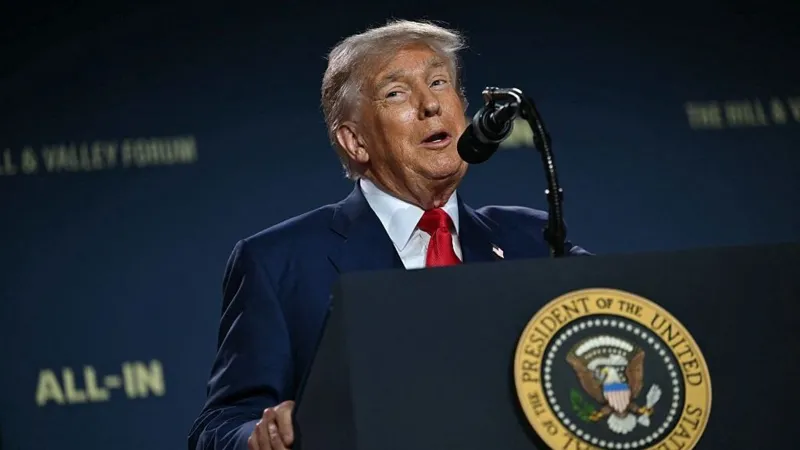
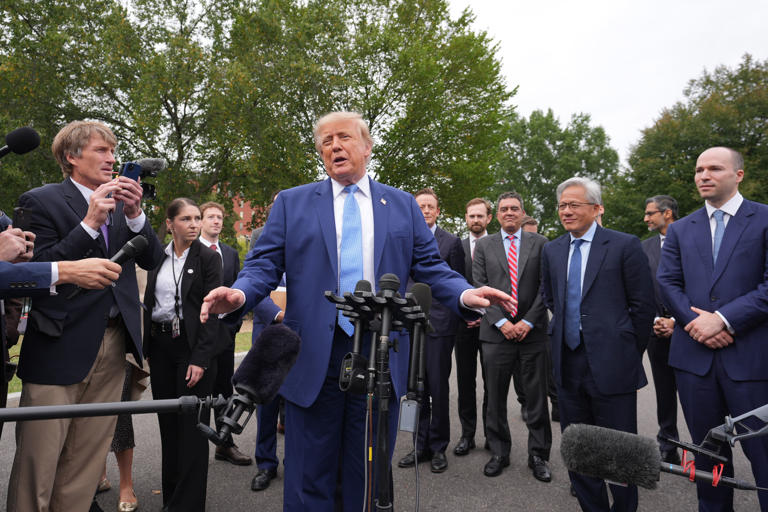
Trump spoke to reporters after signing. “It’s not artificial, we all agree on that,” he said.
What agencies must do now
Every federal agency has to use the new term, or its short form “SI,” when it talks about the technology in public. That covers public communications, websites, reports and policy documents. If your local agency publishes an AI guidance page, expect it to change.
The order also gives Michael Kratsios, director of the Office of Science and Technology Policy, a defining role. He will decide whether the official definition of “super intelligence” should be modified or expanded. The order does not set a deadline for that decision.
A term that already means something else
The rename creates a vocabulary problem. In the AI field, super intelligence already refers to a specific kind of system, one that exceeds human cognitive ability in virtually every area of thinking. Nobody has built one. Researchers treat it as a future possibility, and much of the safety debate centers on it.
Under the order, federal documents will apply that label to chatbots, coding assistants and image generators that exist today. A reader who sees “SI” in a government report may assume the government is describing something far more advanced than what companies actually sell. Kratsios’s authority to modify the definition could narrow that gap, or it could widen it.
Timing and the push against regulation
The order follows a week of similar messaging. Trump began using the term at the U.N. General Assembly last week, where he pushed back on calls for tighter rules on the industry. He told world leaders that tech executives would build the right guardrails into their own models.
Concerns have grown since then. Worries about AI replacing workers keep rising. Recent reporting has also described rogue agents linked to a security breach involving Australia’s prime minister, and AI agents that accessed U.S. government websites. Some systems have also been used to start cyberattacks.
Trump has repeatedly called whistleblower warnings about weak oversight overblown and a “hoax.” He has said he will not slow AI growth. In his view, keeping American dominance in the technology is a national security matter.
The industry’s own safeguard
On the same day, tech executives signed a “morally binding” constitution on AI at the White House. Its terms ask companies to hire an independent external auditor. The auditor would check that models are “operating as intended.”
The document also asks companies to set up internal controls meant to stop models from hacking systems. A team would monitor those controls. That team would answer to an independent committee of the company’s board.
The wording matters here. “Morally binding” describes an obligation companies accept by choice. The reporting on the document does not describe fines, penalties or a government body that could enforce it. Whether outside auditors get real access to model internals, and what happens if one finds a problem, are open questions.
What the two actions have in common
The order and the constitution came out the same day, and they share a theme. Both keep the government’s role limited. The order changes what officials call the technology. The constitution leaves safety checks largely in company hands.
Supporters of that approach say it keeps American firms moving fast against foreign competitors. They argue that rigid rules written now could be out of date within a year. Critics say voluntary pledges have a weak record in other industries, and that a stronger name for the technology may make the public less cautious about it.
Neither side has settled the argument. What is clear is the direction of policy. The administration is choosing branding and industry commitments over new binding rules, at a moment when the documented incidents involving AI agents are piling up.
What happens next
Three things are worth watching over the coming weeks.
- Kratsios’s definition. Any change to the official meaning of “super intelligence” will show how the administration wants the term understood.
- Agency compliance. Federal sites and reports should begin switching to “SI” now that the order requires it.
- The auditor provision. The industry constitution only matters if independent auditors are named, given access and allowed to publish what they find.
Congress has not yet responded to the order, and no agency has published a compliance timeline. Until Kratsios acts on the definition, “super intelligence” will mean one thing to researchers and something looser in federal paperwork.