

When American and Iranian negotiators meet in Switzerland on Friday, they will begin what could be the most important phase of diplomacy since the conflict between the two countries erupted nearly four months ago.
The talks follow a temporary agreement approved this week by President Donald Trump and Iran’s leadership. The deal extended the current ceasefire by another 60 days and created a framework for negotiating a permanent settlement.
For now, the guns have largely fallen silent. The harder part is still ahead.
The memorandum of understanding postponed several of the issues that fueled the conflict. Those same disputes now sit at the center of the negotiations. Diplomats have only two months to find common ground on questions that have divided Washington and Tehran for decades.
Although both governments say they want a lasting peace, many analysts doubt a comprehensive agreement can be completed within the current deadline.
Iran’s Nuclear Program Remains the Biggest Challenge
The future of Iran’s nuclear program is expected to dominate the negotiations.
Trump has repeatedly said preventing Iran from obtaining a nuclear weapon was the main objective behind U.S. military action. The interim agreement includes a commitment from Iran not to pursue nuclear weapons, but that pledge alone is unlikely to satisfy Washington.
The most difficult issue involves Iran’s stockpile of highly enriched uranium.
The United States wants the material removed from Iran or destroyed altogether. American officials argue that leaving it in place would allow Tehran to move quickly toward weapons capability if relations deteriorate in the future.
Iran strongly opposes those options.
Iranian officials have suggested they may be willing to reduce enrichment levels by diluting some of the uranium. However, they want the material to remain inside the country.
Another major disagreement concerns uranium enrichment itself.
At various points, U.S. officials have pushed for a complete halt to enrichment activities. Iran insists that enriching uranium for civilian purposes is a sovereign right and says it will not surrender that capability.
Diplomats have discussed possible compromises, including temporary limits that could last anywhere from five to twenty years. So far, no formula has gained enough support from both sides.
Questions also remain about inspections.
The United States wants strong international monitoring to verify Iranian compliance. It remains unclear whether Tehran is willing to accept inspection measures similar to those contained in the 2015 nuclear agreement negotiated under former President Barack Obama.
Uncertainty Surrounds the Strait of Hormuz
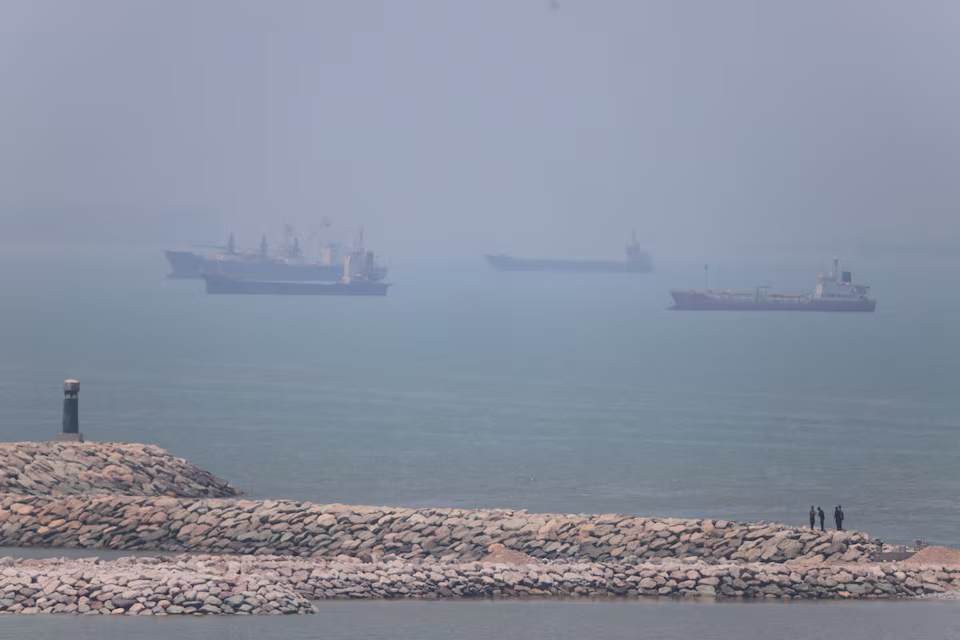
The future of the Strait of Hormuz could become another source of friction.
The strategic waterway carries roughly 20% of the world’s oil supply and plays a critical role in global energy markets.
The conflict disrupted shipping after Iran restricted access following military operations launched by the United States and Israel earlier this year. The move sent energy prices sharply higher and raised concerns about supply shortages around the world.
Under the current agreement, the strait is scheduled to reopen on Friday.
That does not mean the issue is settled.
Washington wants commercial traffic to move freely without additional restrictions or fees. Iran argues that it should retain some authority over management of the passage.
Iran’s position reflects the leverage it gained during the conflict. Before the war, Tehran had limited influence over global energy flows. Control of the strait changed that calculation.
Shipping companies are watching developments closely. Many remain cautious despite the planned reopening, concerned that tensions could flare again if negotiations break down.
Sanctions Relief Could Prove Politically Difficult
Economic issues represent another major hurdle.
Iran wants sanctions lifted quickly and is seeking access to billions of dollars in frozen assets held overseas.
The United States favors a slower approach.
American officials want any sanctions relief tied directly to Iranian compliance with future commitments. They argue that economic benefits should be earned through verified actions rather than granted in advance.
The interim agreement already includes oil-export waivers that allow Iran to resume selling crude on international markets.
That provision has sparked criticism from some foreign policy hawks in Washington who believe the administration is offering concessions too early.
Trump also faces domestic political considerations.
For years he criticized the Obama administration’s handling of sanctions relief and financial arrangements with Iran. Any move that appears too generous could create political problems at home.
Iranian officials, however, maintain that meaningful negotiations cannot succeed unless the country sees clear economic benefits.
The debate over sanctions may become one of the most sensitive topics in Switzerland.
Israel’s Role Could Influence the Outcome
Regional security concerns add another layer of complexity.
Israeli Prime Minister Benjamin Netanyahu has repeatedly emphasized that Israel is not automatically bound by agreements reached between Washington and Tehran.
That position has raised concerns among diplomats who fear developments elsewhere in the Middle East could undermine progress at the negotiating table.
The situation in Lebanon remains particularly important.
Iran argues that any long-term settlement should include guarantees related to Hezbollah and military activity along Israel’s northern border.
Israel continues to reserve the right to act against what it considers security threats.
Although tensions have eased in recent days, any renewed escalation could place enormous pressure on the negotiations.
Diplomats involved in the process acknowledge that regional events often move faster than formal peace talks.
Different Approaches to Negotiation Could Slow Progress
Even the negotiating styles of the two sides may complicate efforts to reach an agreement.
Trump has built his political image around securing quick results. He often prefers fast-moving negotiations and public demonstrations of progress.
Iran traditionally takes a different approach.
Iranian negotiators have a reputation for lengthy discussions, detailed bargaining and gradual decision-making. Previous rounds of diplomacy have often stalled because of those differences.
The challenge is especially significant given the complexity of the issues under discussion.
Negotiators must address nuclear restrictions, inspections, sanctions, energy security, regional stability and implementation mechanisms. Completing that work within 60 days will be difficult.
The 2015 nuclear agreement required nearly two years of negotiations before a final deal was completed.
Many experts believe the current timeline may prove too ambitious.
Deep Distrust Still Shadows the Process
Perhaps the biggest obstacle is the lack of trust between the two governments.
Iranian leaders remain deeply suspicious of Trump after years of sanctions, military confrontations and diplomatic breakdowns.
Many in Tehran question whether Washington would honor any agreement reached during the talks.
American officials have similar concerns.
Members of Trump’s team have repeatedly argued that Iran has used negotiations in the past to delay decisions while preserving strategic options.
This mutual distrust affects every part of the process.
Even if negotiators agree on major issues, both sides will demand strict verification measures and enforcement mechanisms.
Political dynamics inside Iran could also play a role. Observers are closely watching Supreme Leader Ayatollah Mojtaba Khamenei, whose support may ultimately determine how much flexibility Iranian negotiators have.
A Narrow Window for Diplomacy
The coming weeks will determine whether the ceasefire becomes the foundation for lasting peace or simply a pause before another round of confrontation.
Both governments have reasons to keep talking. Trump faces pressure over energy prices and wants a diplomatic success. Iran is dealing with the economic and military costs of the conflict and is looking for stability.
Still, significant risks remain.
Hardliners on either side could resist compromise. Conflicting interpretations of the interim agreement could create new disputes. Regional incidents could shift political calculations overnight.
Even if a comprehensive settlement proves out of reach, negotiators may pursue a limited agreement or extend discussions beyond the current deadline.
For now, diplomacy has a chance.
Whether that opportunity produces a lasting peace will depend on decisions made in Switzerland over the next sixty days.