

The U.S. House of Representatives has approved a war powers resolution aimed at limiting American military involvement in Iran, marking the first time the chamber has passed such a measure since the current conflict began. The vote represents a significant political challenge to President Donald Trump’s handling of the war and highlights growing bipartisan concerns over a conflict that has reshaped domestic politics, strained international relations, and increased economic uncertainty.
The resolution, which gained support from Democrats and a small group of Republicans, reflects mounting pressure on the administration as fighting continues despite ongoing diplomatic efforts to secure a lasting peace agreement.
Historic Vote Signals Growing Congressional Resistance
Lawmakers voted 215-208 in favor of the resolution, delivering a symbolic but notable rebuke to the White House’s military strategy. While the measure faces uncertain prospects moving forward, the outcome underscores increasing unease among members of Congress over the scope and duration of U.S. military operations.
Supporters of the resolution argued that Congress must reassert its constitutional authority over decisions involving war and military engagement. They contended that the prolonged conflict has imposed significant costs on American families and risks drawing the United States deeper into another long-term Middle East confrontation.
Representative Gregory Meeks of New York, the leading Democrat on the House Foreign Affairs Committee, described the vote as a necessary step toward restoring congressional oversight and encouraging a diplomatic solution.
The resolution’s passage came after weeks of political maneuvering. House leadership had previously delayed consideration of the measure, seeking to avoid a vote that could expose divisions within the Republican Party. However, dissatisfaction with the war has continued to grow as military operations persist and negotiations remain stalled.
Conflict Continues to Shape U.S. Politics
The war has become one of the defining political issues of the year, influencing debates on foreign policy, national security, and economic management.
President Trump entered office promising to reduce U.S. involvement in overseas conflicts and focus on domestic priorities. However, the escalation of tensions with Iran and the subsequent military campaign have shifted national attention back toward the Middle East.
Critics argue that the administration has struggled to articulate a clear long-term strategy for ending the conflict. Supporters, meanwhile, maintain that military pressure remains necessary to counter Iranian influence and secure regional stability.
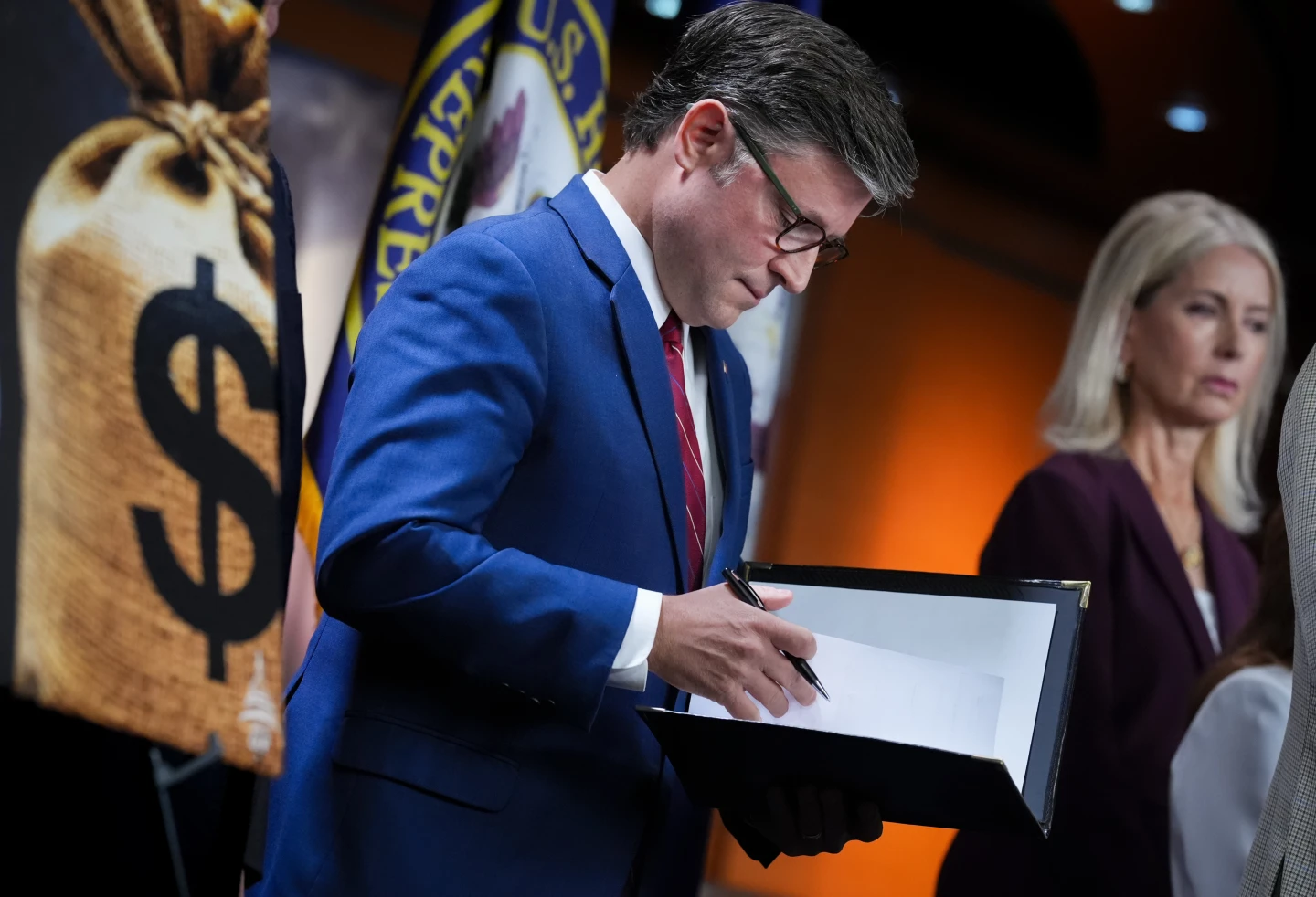
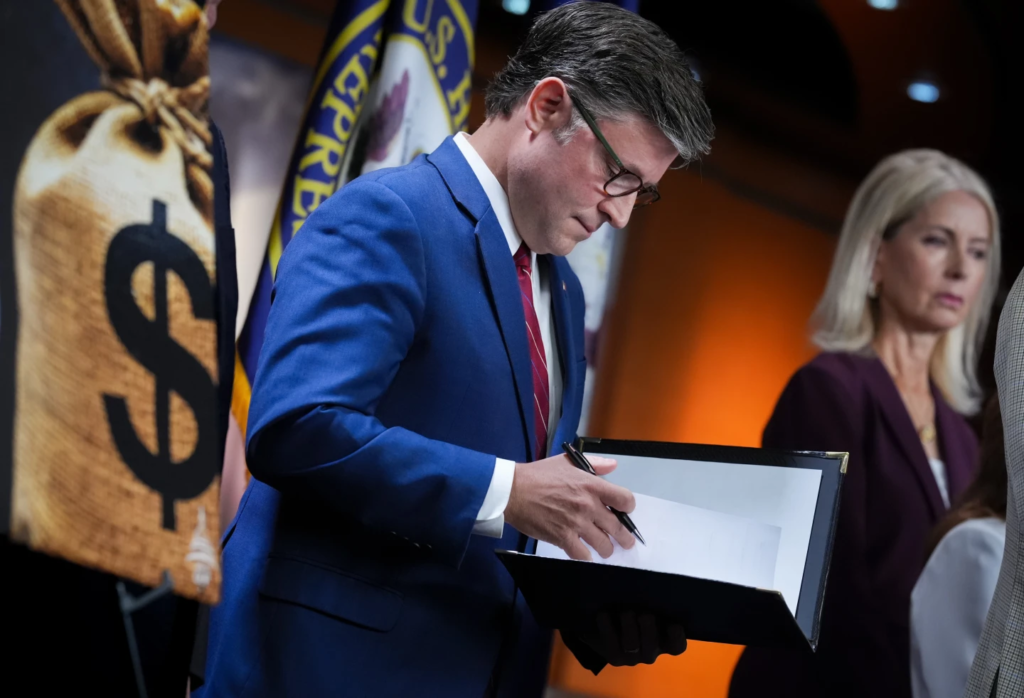
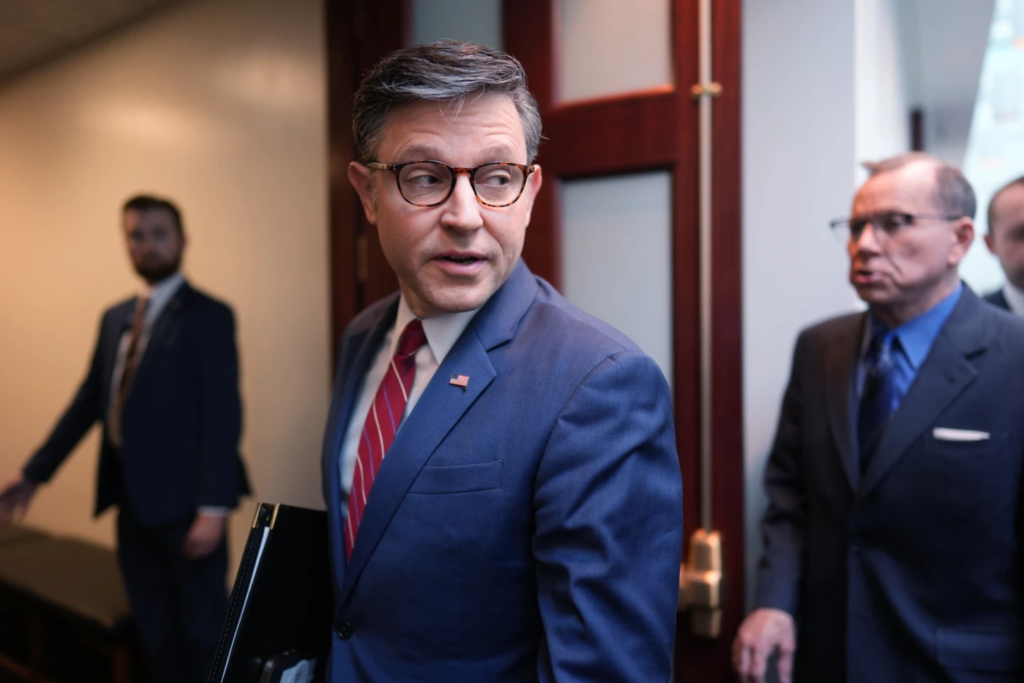
House Speaker Mike Johnson defended the administration’s approach, insisting that the president remains committed to protecting American interests while simultaneously addressing domestic concerns.
Johnson said the White House continues to pursue diplomatic solutions alongside military measures, particularly efforts to restore commercial shipping routes affected by the conflict.
Economic Consequences Add to Public Frustration
One of the key factors driving opposition to the war has been its economic impact.
Since the United States joined military operations alongside Israel in late February, global energy markets have experienced significant volatility. Concerns over disruptions in the Strait of Hormuz—a critical shipping route for oil and natural gas exports—have contributed to rising fuel prices and renewed inflationary pressures.
Higher transportation and energy costs have affected businesses and consumers alike, fueling criticism from lawmakers who argue that the conflict is imposing unnecessary burdens on American households.
Many economists have warned that prolonged instability in the region could further disrupt global supply chains and undermine economic growth. Rising fuel prices have become a particularly sensitive issue as voters continue to grapple with the cost of living.
Supporters of the resolution cited these economic pressures as evidence that the administration should prioritize diplomatic engagement rather than military escalation.
Ceasefire Remains Fragile
Although a ceasefire was announced earlier this year, it has proven difficult to sustain.
Negotiations aimed at reaching a comprehensive peace agreement have progressed slowly, with several major disputes remaining unresolved. The situation has been further complicated by regional tensions involving Iran-backed groups operating in neighboring countries.
Periodic military exchanges between U.S. and Iranian forces have continued despite official efforts to de-escalate the conflict. Analysts warn that even isolated incidents could trigger broader confrontations and jeopardize ongoing diplomatic initiatives.
The uncertain security environment has left many lawmakers questioning whether military operations are achieving their intended objectives.
Some members of Congress have argued that a clearer framework is needed to define U.S. goals and establish measurable benchmarks for success.
Senate Could Become Next Battleground
The resolution now shifts attention to the Senate, where lawmakers have already demonstrated growing skepticism about the conflict.
Last month, several Republican senators joined Democrats in advancing a similar measure designed to restrict military action against Iran. While the Senate has yet to hold a final vote, the bipartisan support for congressional oversight suggests that concerns extend beyond party lines.
If the Senate ultimately approves its own version of the resolution, the measure could intensify the constitutional debate over war powers and presidential authority.
The White House has indicated that it would likely oppose any attempt to limit the president’s ability to direct military operations. Administration officials argue that restricting executive authority during a conflict could weaken America’s negotiating position and embolden adversaries.
Rubio Warns Against Limiting Executive Authority
During a House Foreign Affairs Committee hearing, Marco Rubio cautioned lawmakers against approving measures that could constrain military flexibility.
Rubio argued that adversaries could interpret congressional restrictions as a sign that the administration’s options are limited, potentially reducing incentives for diplomatic compromise.
According to administration officials, maintaining credible military pressure remains an important component of ongoing negotiations.
Supporters of the resolution, however, counter that congressional oversight does not weaken national security but instead strengthens democratic accountability.
They maintain that major military actions should receive explicit authorization from Congress, particularly when conflicts extend beyond initial defensive objectives.
Constitutional Questions Return to the Forefront
The debate has revived longstanding questions about the balance of power between Congress and the presidency in matters of war.
Under the U.S. Constitution, Congress possesses the authority to declare war, while the president serves as commander-in-chief of the armed forces. Over the decades, tensions between these powers have produced repeated legal and political disputes.
The War Powers Resolution was originally designed to ensure that presidents consult Congress before committing the nation to extended military engagements. However, successive administrations from both parties have often interpreted executive authority broadly.
Legal scholars suggest that if both chambers of Congress approve the current measure and the White House challenges its validity, the dispute could become one of the most significant tests of war powers in recent years.
Uncertain Path Ahead
Despite the House vote, the future of the resolution remains uncertain. The Senate has not yet completed its deliberations, and President Trump is expected to oppose any legislation that restricts military operations.
Nevertheless, the vote represents a clear indication that concerns about the conflict are expanding across the political spectrum. As negotiations continue and the economic consequences of the war remain a prominent issue, pressure is likely to grow on both Congress and the White House to define a path toward a more stable and lasting resolution.
For now, the House’s action signals a renewed effort by lawmakers to influence U.S. foreign policy and reassert their role in decisions involving war and peace, even as the conflict with Iran continues to evolve.