
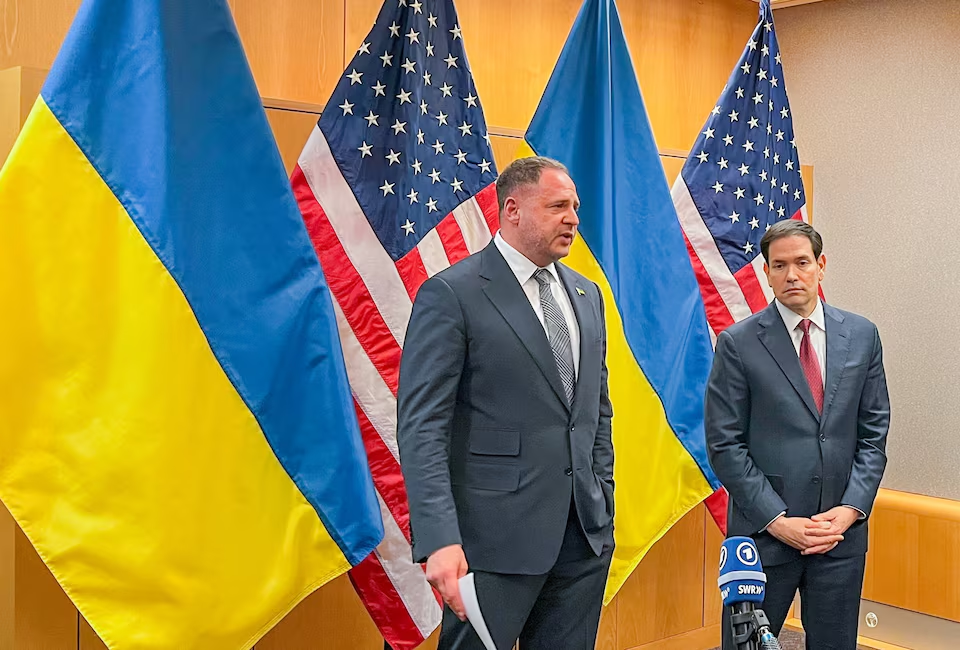
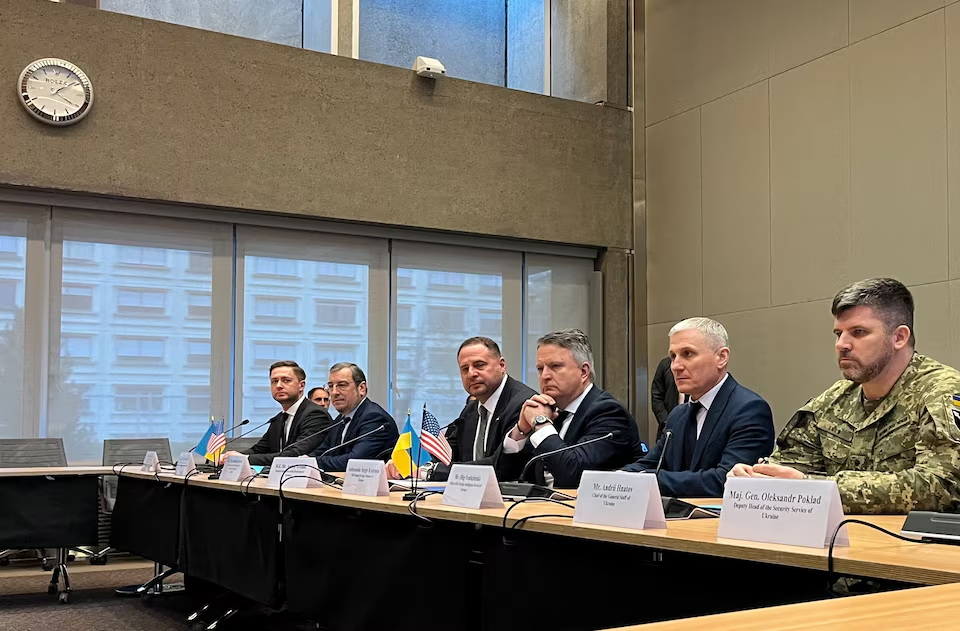
American and Ukrainian officials worked on Monday to overcome significant differences over a U.S.-backed proposal aimed at ending the war in Ukraine, after a weekend of intensive negotiations and growing unease among Kyiv’s European partners. The two governments announced they had forged a “refined peace framework” in Geneva talks, offering the first sign of flexibility after a week of diplomatic tension.
While neither side disclosed any details of the revised plan, Western allies cautiously welcomed the reopening of the dialogue, saying it was essential to keep all channels open as the conflict enters a dangerous new phase.
President Volodymyr Zelenskiy confirmed on Wednesday that Ukraine’s delegation was returning to Kyiv to consult with political and military leaders, while U.S. President Donald Trump teased the possibility of progress.
“Is it really possible that big progress is being made in Peace Talks between Russia and Ukraine??? … something good just may be happening,” Trump wrote on Truth Social.
Initial U.S. Proposal Sparks Backlash in Kyiv and Europe
The diplomatic scramble followed deep frustration in Ukraine and across European capitals after Washington unexpectedly unveiled a 28-point peace plan last week. The proposal set a Thursday deadline for Ukraine to accept a framework that, critics said, closely mirrored Russia’s demands.
According to reports, the initial plan required Ukraine to cede more territory, limit military powers, and rule out ever joining NATO-a condition Ukrainian officials dismissed as unacceptable and tantamount to surrender.
In response, European partners drafted an alternative proposal that would freeze the fighting along the current front lines and defer discussion of occupied territories to future negotiations. The European version also included a U.S.-backed security guarantee modeled loosely on NATO’s Article 5.
Immediately, Russia dismissed that counter-proposal.
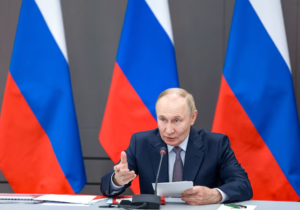
“The European plan … is totally unconstructive and does not work for us,” Kremlin aide Yuri Ushakov said in Moscow, ratcheting up diplomatic pressure on Kyiv.
Zelenskiy Faces His Toughest Moment of the War
The controversy comes at a particularly vulnerable moment for President Zelenskiy, with two ministers dismissed in a corruption scandal, public fatigue growing and Russian forces making incremental gains along several parts of the front.

Analysts say any agreement seen as compromising Ukraine’s sovereignty could ignite public outrage and undermine Zelenskiy’s political base.
“Trump’s special plan is, in general, a capitulation for Ukraine,” said Anzhelika Yurkevych, 62, a civil servant in Kyiv. “Even if they sign, the Ukrainian people will be the ones to implement it — and they do not agree.”
Tensions aside, Zelenskiy insisted that Ukraine was still pursuing common ground.
“We continue working with partners, especially the United States, to look for compromises that will strengthen and not weaken us,” he said during a video address at a parallel meeting of Ukraine’s allies in Sweden.
One source said Zelenskiy could go to Washington as early as this week to negotiate the most sensitive points of the proposal directly with Trump.
Conflict Intensifies as Diplomacy Presses Forward
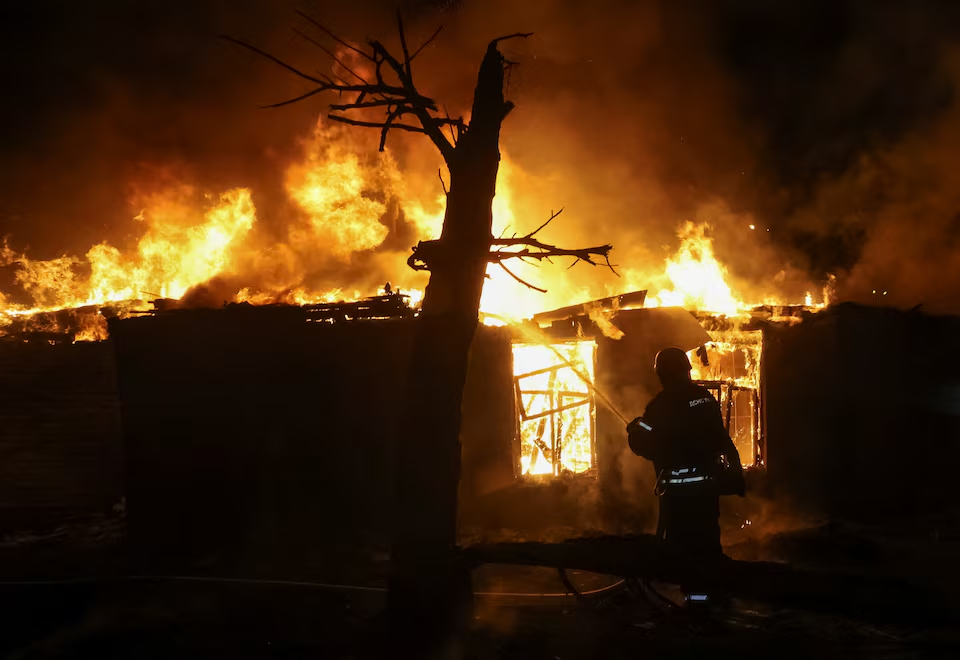
Even as peace talks continue, fighting on the ground remains relentless. On Sunday, Kharkiv — Ukraine’s second-largest city — suffered what officials described as a massive drone attack that left four people dead. Amid the rubble, responders found a man holding the hand of a deceased family member.
“There was a family, there were children… The woman died, unfortunately,” said Ihor Klymenko, a Red Cross emergency-response commander.
Meanwhile, Russia said that it had intercepted Ukrainian drones targeting Moscow, pausing flights at three major airports. A separate alleged Ukrainian drone strike knocked out power for thousands near the Russian capital — a rare reversal amid months of Russian attacks on Ukraine’s energy infrastructure.
Europe Pushes for Unity, Warns Against Weakening Ukraine
During an EU–African Union summit on Monday in Luanda, European leaders held an emergency consultation, with others joining virtually to discuss the evolving peace framework. German Chancellor Friedrich Merz added that Trump seemed open to shaping a jointly created plan and praised the Geneva meetings as a “strong interim result.” “But we also know,” Merz added, “peace in Ukraine won’t happen overnight.” British Prime Minister Keir Starmer echoed that view by underlining that what was needed was a “just and lasting peace,” rather than a short-term political fix. Polish Prime Minister Donald Tusk warned against any settlement that would leave Ukraine weaker or embolden Russia. “No one wants to discourage the Americans and President Trump from being on our side in this process,” he said, “but any agreement must not undermine Ukraine or Europe.”