A growing number of Britons are choosing domestic holidays over overseas trips this summer as concerns over rising travel expenses, flight reliability and geopolitical tensions continue to affect confidence in international travel.
Travel operators across the United Kingdom are reporting a noticeable increase in bookings for staycations, with many families opting for shorter and more predictable breaks closer to home. Industry experts say the trend reflects changing consumer priorities as uncertainty in the aviation sector and economic pressures influence holiday decisions.
Domestic Tourism Sees Strong Booking Growth

Holiday companies including Butlin’s and Lovat have reported increased demand for UK-based getaways ahead of the busy summer season.
According to travel market analysts, more than half of British consumers now plan to holiday within the UK this year, marking a significant rise compared with previous summers. The shift is being driven by travellers seeking affordability, convenience and fewer risks associated with air travel disruptions.
Resort operator Butlin’s said bookings for the summer school holidays have shown strong growth, particularly at its coastal destinations in Bognor Regis, Minehead and Skegness.
Industry analysts also noted that many travellers are making reservations much closer to departure dates than before the pandemic. This change suggests that holidaymakers remain cautious about committing to international travel plans amid concerns over cancellations, delays and fuel-related disruptions.
Aviation Uncertainty Influencing Travel Choices
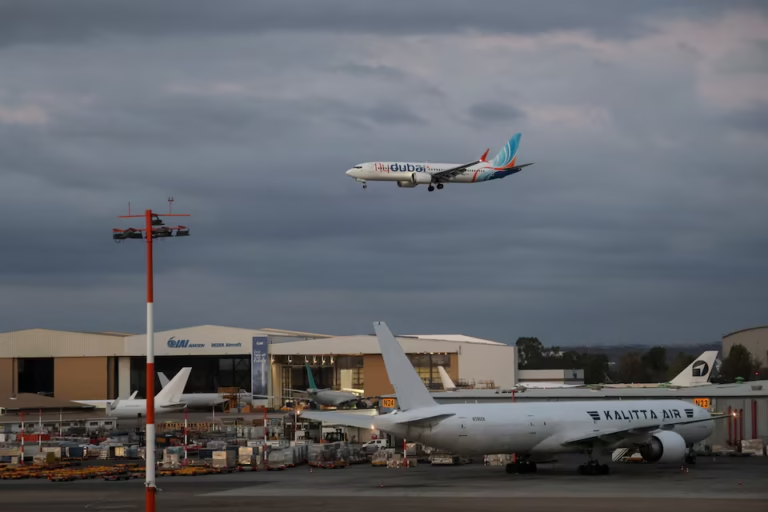
The global aviation industry has faced mounting pressure in recent years due to rising fuel costs, staffing shortages and geopolitical instability affecting air routes and energy supplies.
Experts say fears surrounding possible aviation fuel disruptions linked to ongoing international tensions have contributed to the renewed appeal of domestic travel.
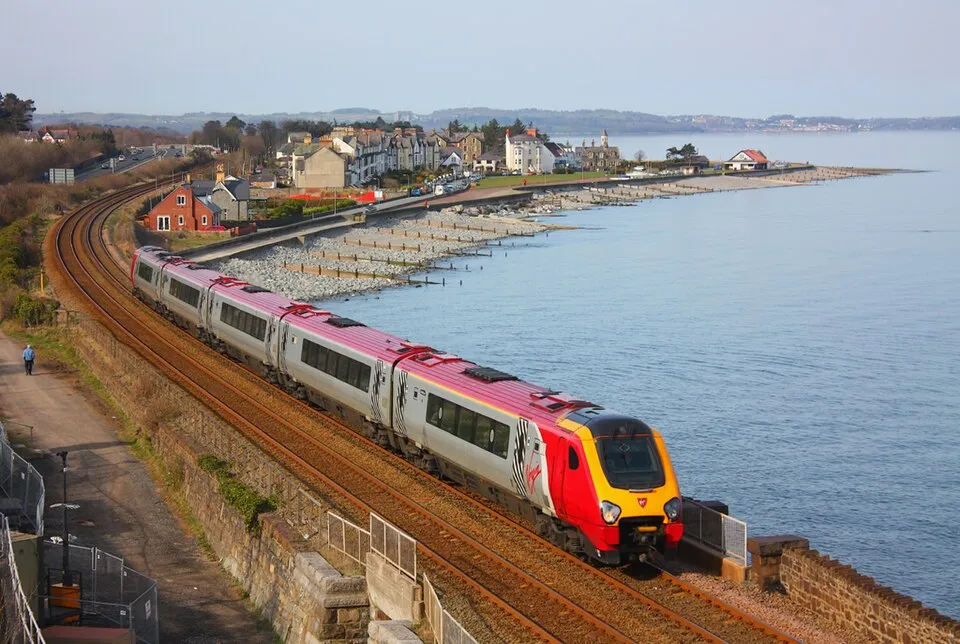
For many British families, driving or taking a train to a holiday destination within the UK is increasingly viewed as a safer and more reliable option than navigating crowded airports and unpredictable flight schedules.
At the same time, the rising cost of overseas holidays has pushed many households to reconsider their spending habits.
Airfares, accommodation prices and travel insurance costs have all increased significantly in recent years, making international vacations less accessible for budget-conscious consumers.
Coastal Destinations Benefit From Staycation Boom
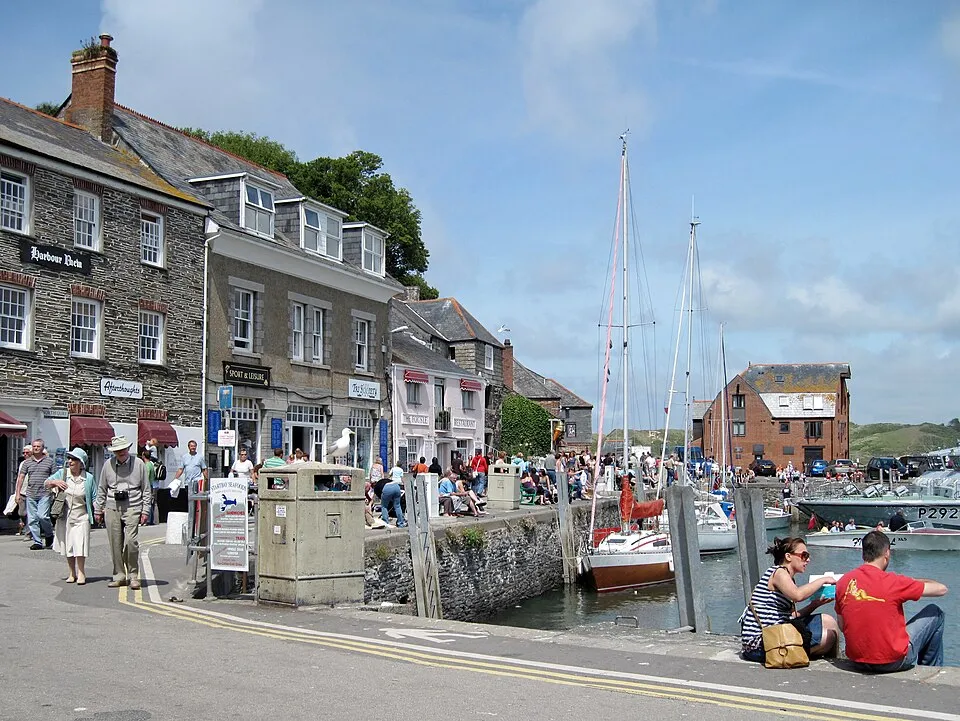
Popular UK tourist regions are already seeing the effects of the staycation trend.
Tourism businesses in Cornwall, one of Britain’s best-known holiday destinations, have reported sharp increases in visitor numbers compared with the same period last year. Attractions, restaurants and local accommodations experienced a surge in demand during the Easter holiday period, signaling strong momentum heading into summer.
Industry groups say coastal towns, countryside retreats and family-friendly resorts are benefiting most from the shift, as travellers seek experiences that combine relaxation with affordability.
The UK’s domestic tourism market is now expected to continue expanding steadily, with analysts projecting billions of pounds in economic activity from staycations over the coming years.
Mixed Outlook for the Tourism Sector
Despite growing interest in UK holidays, the domestic tourism sector still faces challenges.
Some traditional holiday regions have experienced inconsistent spending patterns, with recent reports showing declines in consumer spending on certain seaside and rural breaks. Rising living costs and inflation continue to affect discretionary spending, even as more people choose local travel.
Tourism operators say the market is evolving rather than simply growing. Travellers are becoming more selective, often booking shorter trips, waiting until the last minute to confirm plans and prioritising value for money.
Nevertheless, industry leaders remain optimistic about the long-term outlook for domestic tourism.
Convenience and Certainty Drive Demand
Travel experts believe the continued rise of staycations reflects a broader change in how Britons approach holidays in an uncertain global environment.
Rather than focusing solely on long-distance travel, many consumers are now prioritising flexibility, comfort and financial control. Domestic trips offer fewer logistical concerns while allowing families to avoid the stress associated with international travel disruptions.
As geopolitical tensions, economic pressures and aviation uncertainties continue to shape the travel industry, the UK staycation market appears well positioned to remain a major part of British holiday culture for the foreseeable future.