
In a devastating strike to the Caribbean, Hurricane Melissa swept unprecedented destruction across Jamaica and eastern Cuba, leveling towns and causing mass evacuations as one of the most powerful storms in history.
The Category 5 hurricane, with sustained speeds of 185 mph (298 kph) when it struck Jamaica on Tuesday night, became the island nation’s most powerful storm to strike. Attenuated somewhat to a Category 3 by the time Melissa arrived in eastern Cuba early Wednesday, the storm still boasted savage winds of 120 mph (193 kph), according to the U.S. National Hurricane Center (NHC).

“Record storm surge, flash flooding, and landslides, in addition to devastating hurricane-force winds, are ongoing,” the NHC warned, leaving residents across the Caribbean on high alert.
Jamaica Wrecked by Record Floods and Winds

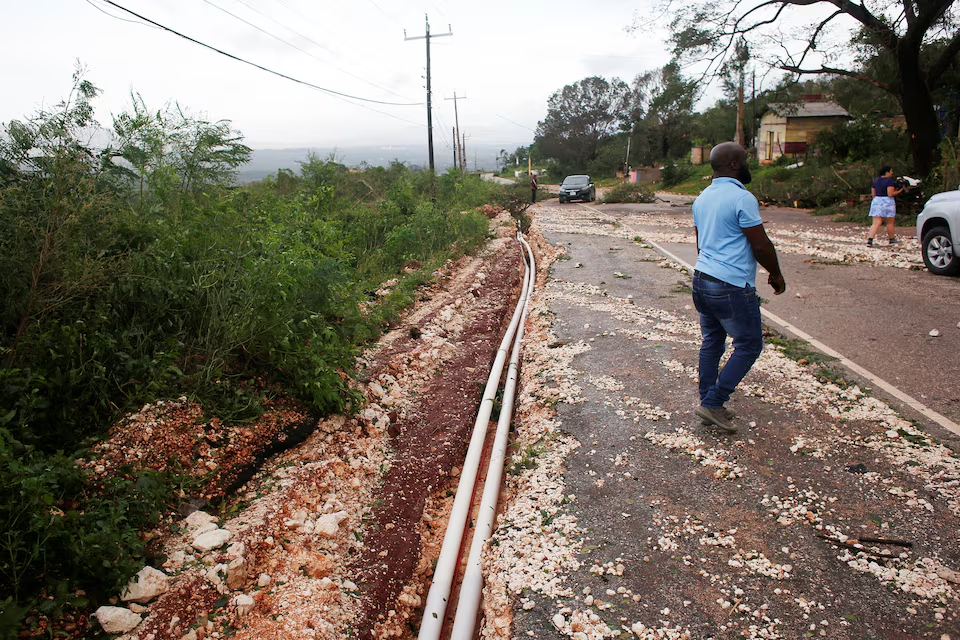
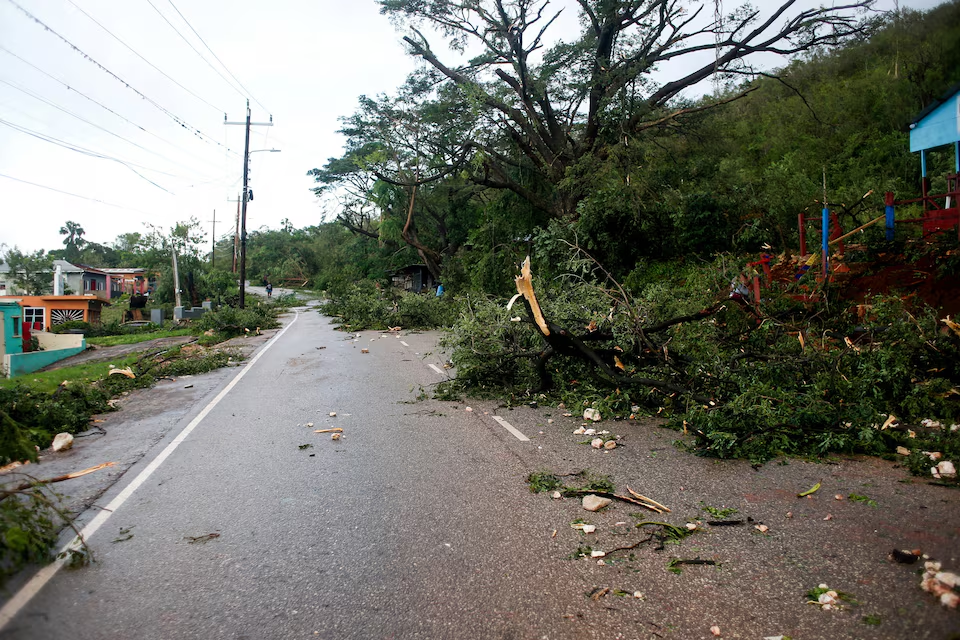
Jamaica experienced the full brunt of the first landfall of Hurricane Melissa, with destruction there unfolding from Montego Bay to Kingston. Roofs were torn off homes, trees broke like twigs, and floodwaters swept through roads, trapping residents and isolating entire communities.
Social media videos captured airports flooded, hotel doors ripped from hinges, and overturned vehicles by flying debris. The international airport at Montego Bay was structurally damaged with a collapsed ceiling and shattered glass visible across terminal areas.
Prime Minister Andrew Holness had dubbed the disaster a “national tragedy,” reporting widespread damage to homes, hospitals, and roads. More than 500,000 residents had their electricity severed, and the parish of St. Elizabeth had reportedly been “completely underwater.”
“To date, the reports that we have include widespread damage to buildings, homes and hospitals, as well as road infrastructure,” Holness told CNN. “We haven’t had any deaths confirmed yet, but given the intensity of the hurricane and the extent of the damage, we do expect some fatalities.”
American tourist Journie Ealey, 34, who was on holiday in Jamaica, described the storm as “eight hours of chaos.”.
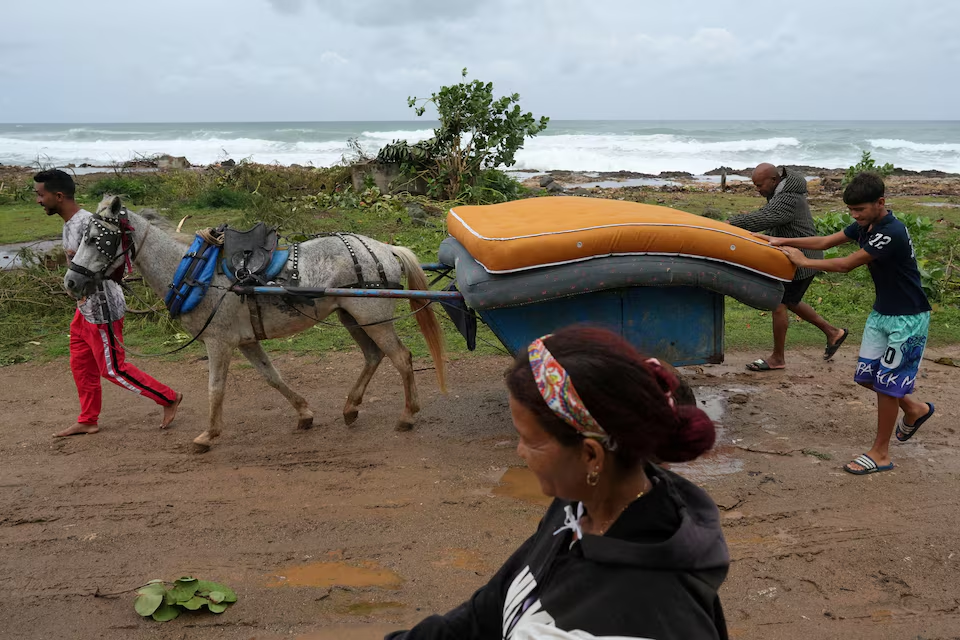
“It was like a freight train attempting to stop,” she stated. “I have never witnessed anything like that.”
AccuWeather meteorologists classified Melissa as the third strongest hurricane in Caribbean history, behind Hurricane Wilma (2005) and Hurricane Gilbert (1988) — the latter also having made landfall in Jamaica.
Cuba Endures Fatal Winds and Heavy Rainfall
Having devastated Jamaica, Hurricane Melissa blustered across the Caribbean Sea towards eastern Cuba, striking near Guamá, a mountainous region some 25 miles west of Santiago de Cuba.
The storm pummeled the area with winds in excess of 125 mph (200 kph) and incessant rain, knocking over trees, electricity lines, and houses. Cuban officials evacuated more than 735,000 residents, disconnecting power to much of eastern Cuba to avoid electrical fires and other catastrophes.
By mid-morning Wednesday, President Miguel Díaz-Canel had reported extensive destruction in Santiago and the provinces around it, urging people to remain indoors.
“Our country is living through a difficult moment,” Díaz-Canel said. “Even though the winds subside, landslides and flooding can still occur. The recovery will be complex and long.”
Internet videos recorded rivers of brown floodwater sweeping through lowland town streets, with several reported landslides in the Sierra Maestra mountains. In Santiago, debris littered the streets, windows shattered, and neighborhoods had no electricity.
More than 35% of the inhabitants of Guantánamo were left homeless as flash floods were triggered by intense rain.
The timing of the hurricane is especially devastating for Cuba, which already faces chronic food, fuel, and medicine shortages — a crisis that has triggered record emigration since 2021.
As a measure, Cuba sent 2,500 electrical repair personnel to start restoring electricity and clearing roads when conditions permit. The hurricane, however, is not projected to hit directly in Havana, the capital city of the country.
Regional Impact and Global Response
Melissa will be losing some of its strength as it tracks north-northeast, but meteorologists caution it will still be a lethal hurricane as it tracks toward the Bahamas. Authorities there have already ordered mandatory evacuations in southern islands most exposed to storm surge and flooding.
Elsewhere to the east, Haiti and the Dominican Republic braved days of deluging rain brought by Melissa’s outer bands, with at least four confirmed deaths resulting from flash flooding and mudslides.
U.S. President Donald Trump said that the United States is “prepared to help Jamaica’s recovery,” declaring search-and-rescue squads and humanitarian assistance would be delivered into damaged zones.
While this is happening, scientists say climate change is fueling hurricanes to intensify more quickly and drop more water because warming seas feed them. Caribbean leaders have called for climate reparations and debt relief as industrialized nations are urged to assist vulnerable island economies that experience repeated climate disasters.
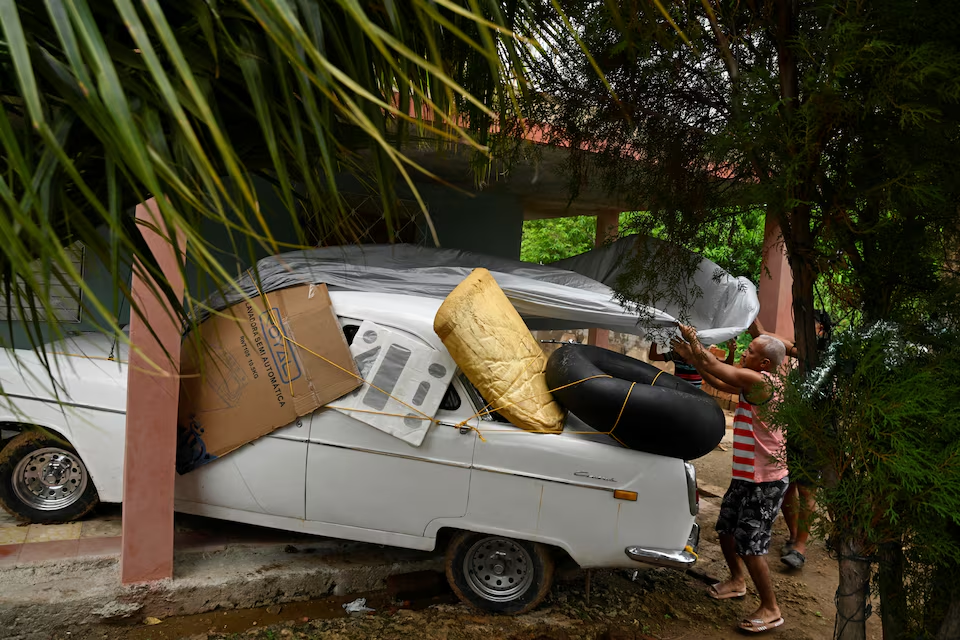
“Our country has been devastated by Hurricane Melissa, but we will be rebuilt — and we will be rebuilt even better than the last time,” Prime Minister Holness stated at the beginning of Wednesday, vowing long-term reconstruction.
A Storm Renewing the Caribbean’s Climate Reality
As Hurricane Melissa charges onward toward the Bahamas, its record is already clear — a storm of unparalleled intensity that exposed the Caribbean’s deep vulnerability to a warmer world.
From the flat shores of Jamaica to Cuba’s drowned valleys, Melissa is now a grim reminder that severe weather is no longer uncommon but is part of a new norm for tropical nations leading the charge in climate change.