
Federal investigators are racing to uncover what motivated an Afghan immigrant to open fire on two National Guard soldiers just blocks from the White House on Thanksgiving Eve – an attack officials have described as a targeted “ambush” against uniformed personnel operating under a controversial Trump-ordered deployment.
The shooting that occurred during the busy midday rush outside a Washington, D.C. subway station sent shockwaves through a city strained by political tensions over immigration and federal authority.
Soldiers in Critical Condition After Sudden Attack

Both service members were with the West Virginia National Guard and were performing “high-visibility patrols”-a form of militarized law enforcement duty implemented by the Trump administration earlier this year-when gunfire erupted.
The soldiers remain hospitalized in critical condition, according to the Washington Metropolitan Police Department.
Jeff Carroll, the executive assistant chief of the department, explained that the assailant “came around the corner,” quickly drew a firearm, and opened fire before the soldiers could react. An exchange of gunfire followed, after which other nearby Guard members subdued the gunman.
Suspect Identified as Afghan Immigrant Resettled Under Biden-Era Program
The Department of Homeland Security said the suspect was a 29-year-old Afghan national named Rahmanullah Lakanwal, who came to the United States in 2021 via Operation Allies Welcome, the Biden administration’s program to evacuate and resettle Afghans who supported U.S. operations during the war.
NBC News, citing a relative, reported Lakanwal had served a decade in the Afghan National Army, some of it alongside U.S. Special Forces in Kandahar. The relative added that he had recently been working for Amazon.
A Trump administration official, speaking on condition of anonymity, said Lakanwal applied for asylum in late 2024 and was approved in April 2025—months after Trump returned to office. The official said the suspect had no known criminal history and resided in Washington state.
Trump Labels Shooting ‘Act of Terror,’ Orders Review of Afghan Immigrants
President Donald Trump, in a prerecorded video from his Florida resort Wednesday night, called the shooting “an act of evil, an act of hatred and an act of terror.”
He announced that his administration would “re-examine all Afghans” who entered the U.S. during President Biden’s tenure.
Hours later, U.S. Citizenship and Immigration Services froze the processing of all Afghan-related immigration cases pending new security reviews. The unprecedented move immediately raised concern among immigrant advocates and veterans groups who had supported Afghan allies during the war.
Deployment of National Guard Sparks New Political Clash
The attack came as there continue to be lawsuits regarding Trump’s deployment of over 2,000 National Guard troops to Washington, D.C. The deployment-intended, according to Trump, to combat rising crime-has been heavily contested by D.C. officials who argue it infringes on local authority.
The shooting came just five days after a federal judge issued a ruling temporarily restricting those troops from performing law enforcement duties without approval from the city’s mayor. But the judge stayed implementation until December, giving the Trump administration time to appeal.
Trump announced Wednesday that he would send 500 more Guard troops to the capital, escalating friction with local officials.
Political Fallout: Immigration Policy Back in Spotlight
Vice President JD Vance weighed in quickly, writing on X that the attack validated the administration’s aggressive immigration policies. “We must redouble our efforts to deport people with no right to be in our country,” he wrote.
Critics also say that immigration enforcement has been used as a political weapon by the administration, rounding up people with no criminal background and detaining immigrants who entered legally.
The DC Mayor, Muriel Bowser, who had been a vocal critic of the deployment, characterized the shooting as a “targeted attack” and reiterated her opposition to the presence of federalized troops in the city.
Wider Impact: A National Debate Rekindled
The shooting reopens questions about:
vetting of Afghan allies by the government
the legality of deploying federalized troops for routine law enforcement,
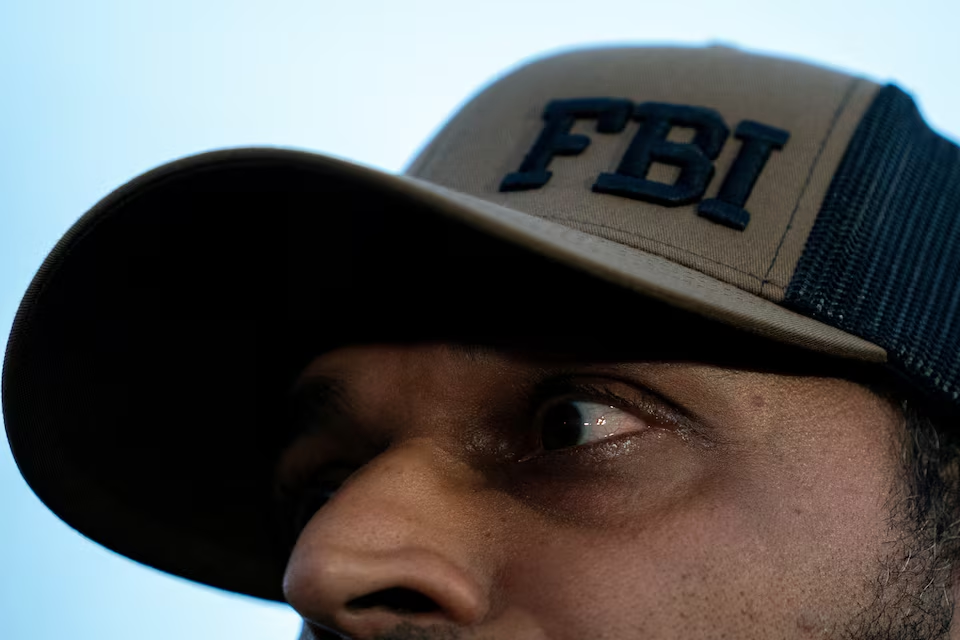
The rising role of political rhetoric in shaping public safety measures. It also comes at a time of sharpened partisan tension, as Trump has sent federal troops to Los Angeles, Chicago, Portland, and Memphis—Democratic-run cities whose local leaders have decried the deployments as politically driven “shows of force.” As the FBI’s Joint Terrorism Task Force digs deeper into the suspect’s history, motives, and any possible affiliations, officials caution that the investigation is still at an early stage. For now, Washington stays on high alert, and a contentious national debate over immigration, federal power, and public safety is once again front and center.