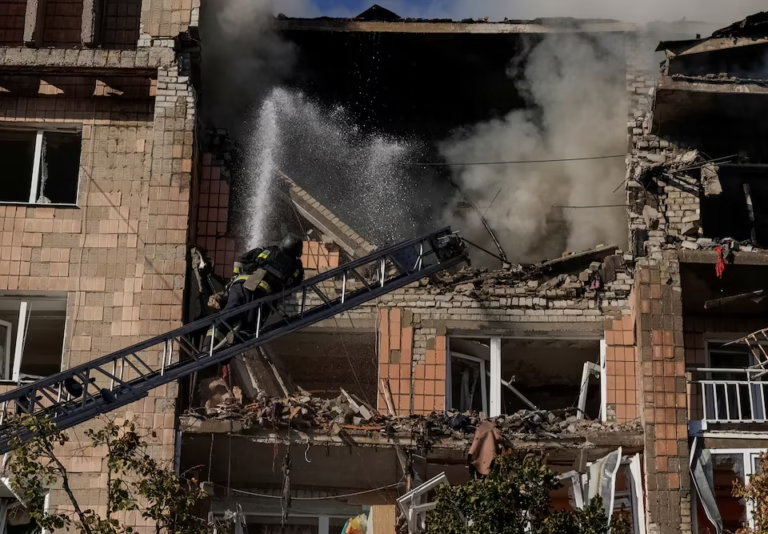

Diplomatic efforts between Iran and the United States may be continuing behind closed doors, but political tensions inside Tehran appear to be moving in a far more confrontational direction.
Iranian lawmakers are reportedly debating a controversial legislative proposal that would authorize financial rewards linked to the killing of senior U.S. and Israeli leaders, highlighting the deep mistrust and unresolved anger that continue to shape the post-conflict environment.
The proposal emerges at a time when indirect negotiations remain underway, underscoring the widening gap between diplomatic outreach and hardline political sentiment within Iran. Reports indicate lawmakers are discussing a draft bill that would allocate roughly €50 million — about $58 million — as a reward tied to actions against U.S. President Donald Trump, Israeli Prime Minister Benjamin Netanyahu and senior American military figures. The bill has reportedly not yet become law and remains under parliamentary discussion.
Proposed Legislation Reflects Escalating Rhetoric
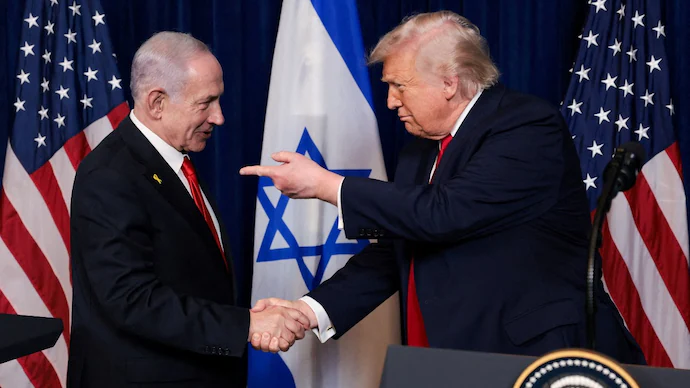
According to reports citing Iranian state-linked sources, members of parliament are preparing to review legislation framed as a response to recent regional conflict and leadership losses inside Iran.
The proposal is reportedly being drafted under the title “Reciprocal Action by Military and Security Forces of the Islamic Republic.” Statements attributed to senior lawmakers suggest the bill is intended as a retaliatory measure following military developments earlier this year.
Iranian officials quoted in various reports have linked the initiative to broader retaliation narratives, while some lawmakers have publicly adopted highly inflammatory language regarding U.S. and Israeli leadership.
Political observers note that such rhetoric reflects internal pressures within Iran, where competing factions continue debating how aggressively the country should respond after months of conflict and economic strain.
Security Fears Shape Political Climate in Tehran
The debate is also unfolding against a backdrop of heightened security concerns inside Iran.
Reports suggest Iranian officials remain worried about possible threats targeting senior leadership figures and state institutions, particularly after months of military escalation involving regional actors.
Analysts say these fears have strengthened the position of hardline factions advocating stronger deterrence measures and more confrontational policies.
In recent months, state-linked groups and online campaigns connected to pro-Iran networks have reportedly raised funds and circulated retaliation narratives following attacks on Iranian strategic assets and nuclear infrastructure.
The growing influence of such messaging illustrates the broader political tension facing Tehran: balancing diplomacy with domestic demands for a tougher response.
Peace Talks Continue Despite Rising Tensions
Ironically, the political escalation comes as diplomatic channels remain active.
Iran has reportedly submitted an updated peace framework through regional intermediaries, outlining several demands aimed at reducing tensions with Washington.
Among the reported conditions are relief from economic sanctions, access to frozen Iranian assets, easing of maritime restrictions and compensation linked to conflict-related damage.
Tehran is also said to be seeking recognition of strategic interests tied to the Strait of Hormuz, one of the world’s most important energy corridors.
However, U.S. officials have reportedly expressed skepticism about the latest proposal, describing it as insufficient progress compared with previous discussions.
Negotiations remain fragile, with both sides continuing to publicly defend their positions while keeping communication channels open.
Risk of Renewed Conflict Remains High
Despite diplomatic engagement, the possibility of renewed confrontation continues to cast a shadow over negotiations.
U.S. officials have repeatedly warned that military options remain available if diplomacy fails to address concerns over Iran’s strategic capabilities.
American leaders have also indicated that negotiations are operating under limited timelines, increasing pressure on both sides.
Israel has similarly maintained that security options remain on the table.
Across the Gulf region, governments are watching developments closely, concerned that any collapse in talks could quickly trigger another regional crisis.
Energy markets, shipping routes and regional security arrangements remain vulnerable to renewed instability.
Wider Implications for the Region
The reported parliamentary proposal may never become formal policy, but analysts say its significance lies in what it reveals about Iran’s political climate.
The discussion highlights how deeply the conflict has affected domestic discourse and how difficult reconciliation may be even if formal agreements are reached.
It also illustrates the contradiction now shaping regional diplomacy: negotiations aimed at de-escalation are occurring simultaneously with increasingly hostile rhetoric.
For Middle Eastern states already navigating fragile ceasefires and economic uncertainty, that combination presents an ongoing risk.
As diplomacy continues, the challenge for all parties may not simply be reaching an agreement — but preventing political escalation from overtaking it.