
Global credit ratings agency Fitch Ratings has upgraded Ghana’s sovereign credit rating from “B-” to “B,” signaling renewed investor confidence in the country’s economic recovery and fiscal management after years of financial turbulence.
The announcement, made on Friday, reflects growing optimism about Ghana’s economic outlook following a period marked by soaring inflation, debt distress and currency instability. Fitch cited the government’s strong fiscal consolidation measures, improved economic growth and progress in restructuring public debt as key reasons behind the upgrade.
The new rating places Ghana in a stronger position to attract international investment and improve access to global financial markets, even as policymakers continue efforts to stabilize the economy and reduce inflationary pressures.
Economic Reforms Begin to Deliver Results
Fitch said Ghana’s economic performance has improved significantly due to disciplined fiscal reforms and tighter public financial management.
The agency noted that the West African economy has shown resilience despite facing major global and domestic challenges over the past few years, including rising debt levels, inflation shocks and pressure on the local currency.
According to Fitch, stronger fiscal controls and economic reforms have helped restore confidence in Ghana’s economic direction. The agency also pointed to robust real Gross Domestic Product growth and expectations that the country’s debt burden will continue to decline over the next several years.
Ghana, one of Africa’s leading producers of gold, cocoa and crude oil, has relied heavily on economic restructuring programs to rebuild stability following one of the most difficult financial periods in its recent history.
Debt Restructuring Efforts Improve Confidence
One of the most important factors behind the rating upgrade has been Ghana’s progress in restructuring its debt obligations.
The country faced severe financial stress in recent years as rising borrowing costs, a weakening currency and global economic shocks pushed debt levels to unsustainable levels. The crisis forced the government to seek support from international lenders and implement tough economic reforms.
Fitch said ongoing debt restructuring efforts have improved the sustainability of Ghana’s public finances and reduced concerns about long-term fiscal risks.
The ratings agency expects Ghana’s public debt-to-GDP ratio to decline steadily and reach around 46% by 2027, a significant improvement compared to previous projections during the height of the economic crisis.
Analysts say lower debt levels could create more room for public investment, social spending and infrastructure development if fiscal discipline is maintained.
Inflation Shows Signs of Stabilizing
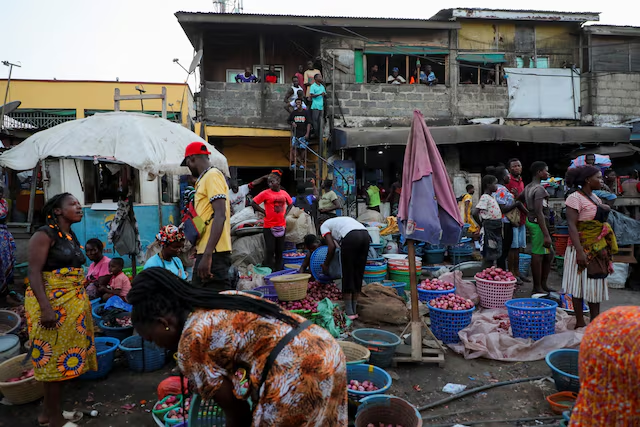
Another major positive indicator highlighted by Fitch is Ghana’s progress in reducing inflation.
The country experienced months of easing inflation, with prices slowing consistently for 15 consecutive months before recording a slight increase in April — the first rise since December 2024.
Although inflationary pressures remain a concern, economists say the broader trend still points toward improving economic stability.
Government Statistician Alhassan Iddrisu explained that global supply disruptions and regional economic pressures have recently contributed to higher food and fuel prices.
According to Iddrisu, those external shocks have begun affecting consumer costs, though their full impact has not yet spread across all sectors of the economy.
Despite the recent uptick, analysts believe inflation remains on a downward path compared to the record highs Ghana experienced during the peak of its economic challenges.
Stronger GDP Growth Expected Through 2027
Fitch also projected that Ghana’s economy will continue posting solid growth over the next several years.
The agency said improvements in fiscal management, commodity exports and investor confidence are expected to support stable real GDP expansion through 2027.
Ghana’s economy remains heavily driven by natural resources, particularly gold, oil and cocoa exports, which continue to generate crucial foreign exchange earnings for the country.
Higher global demand for commodities and improved export performance have helped strengthen Ghana’s external financial position in recent months.
At the same time, ongoing reforms aimed at increasing tax revenue and reducing excessive government spending are beginning to produce measurable economic benefits.
Economists say sustained growth will depend on the government’s ability to maintain fiscal discipline while also managing external risks such as volatile commodity prices and global inflation trends.
Positive Outlook Signals Further Improvement
In addition to the rating upgrade, Fitch assigned Ghana a “positive” outlook, indicating the possibility of further improvements if current economic trends continue.
The positive outlook reflects confidence that Ghana will maintain prudent fiscal policies and continue implementing reforms aimed at strengthening public finances.
The agency specifically highlighted improvements in public financial management systems and greater commitment to economic discipline as encouraging signs for investors.
The latest development follows similar actions by other major ratings agencies.
Earlier, both Moody’s Investors Service and S&P Global Ratings also revised Ghana’s sovereign outlook positively, citing progress in fiscal reforms and debt restructuring efforts.
The coordinated optimism from multiple global ratings agencies signals a broader shift in international perception regarding Ghana’s economic recovery.
Challenges Still Remain
Despite the improved outlook, economists caution that Ghana still faces several economic risks that could affect long-term stability.
Inflation remains relatively high compared to pre-crisis levels, and rising global fuel and food costs continue to put pressure on households and businesses.
In addition, the country must continue navigating complex debt restructuring negotiations while ensuring that economic reforms do not worsen social hardship for citizens already struggling with high living costs.
Currency stability, unemployment and energy sector challenges also remain important issues that policymakers will need to address.
However, financial analysts say the latest rating upgrade sends a strong signal that Ghana is gradually regaining economic credibility on the global stage.
Investor Confidence Receives a Boost
The Fitch upgrade is expected to improve investor sentiment toward Ghana and could help lower future borrowing costs if the country returns to international capital markets.
For foreign investors, sovereign credit ratings are a key indicator of a country’s financial health and ability to repay debt obligations.
A stronger rating often increases confidence in government bonds, infrastructure projects and broader economic opportunities.
As Ghana continues rebuilding its economy, the improved rating may also encourage additional investment into sectors such as mining, agriculture, energy and manufacturing.
While challenges remain, the latest assessment suggests that Ghana’s economic recovery is beginning to gain traction after years of uncertainty.
For many observers, the upgrade represents more than just a technical financial adjustment — it is a sign that one of West Africa’s largest economies may finally be turning a corner toward renewed stability and growth.