
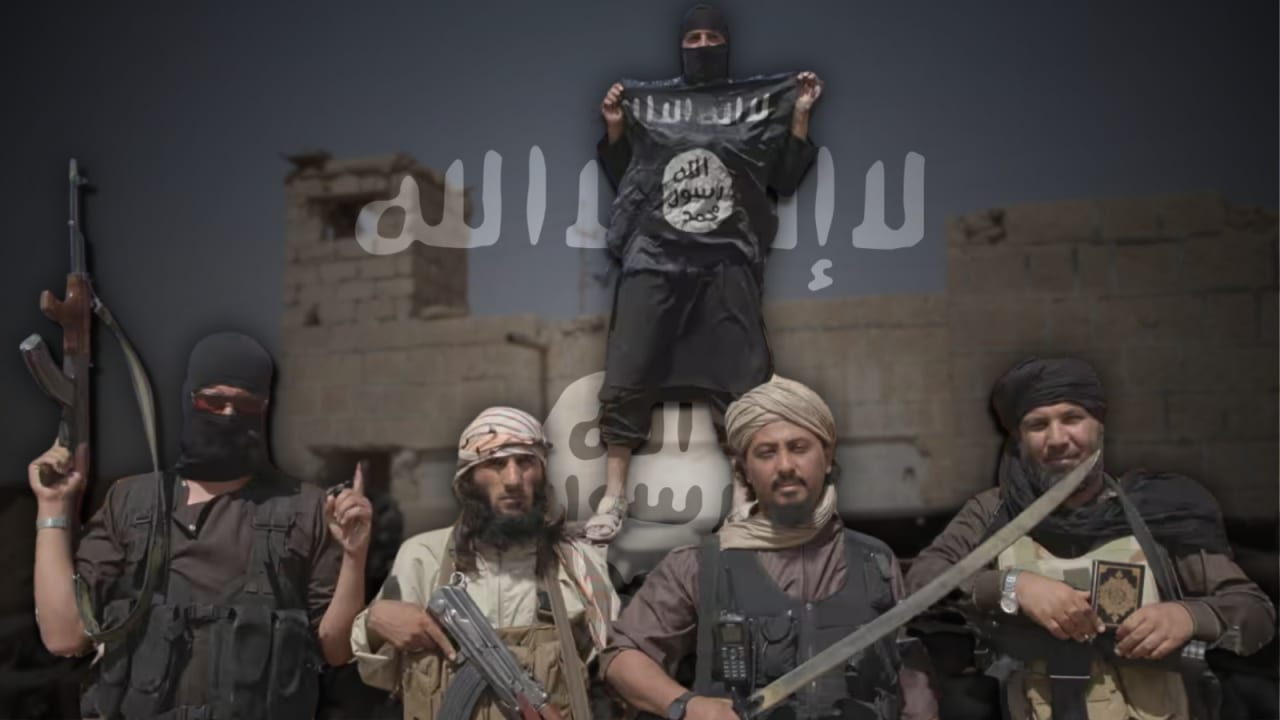
Morocco’s counterterrorism agency said Monday it had dismantled a cell loyal to Islamic State’s affiliate in the Sahel, foiling plots aimed at sensitive sites and public security across the country.
Ten suspects were arrested in coordinated raids spanning seven cities: Agadir, Taroudant, Casablanca, Hajeb, Tetouan, Fqih Ben Salah and Safi. The Central Bureau for Judicial Investigations, known as the BCIJ, announced the arrests in a statement.
Preliminary investigations found that the suspects had pledged allegiance to Islamic State and were taking direct orders from the group’s Sahel branch to carry out attacks inside Morocco, according to the agency.
The operation points to the growing reach of jihadist groups based in the Sahel region, where affiliates of both Islamic State and al Qaeda have expanded their presence across Burkina Faso, Mali and Niger in recent years. Morocco’s arrests suggest that reach now extends well beyond the Sahel’s borders.
Weapons, explosives instructions and a modified car
Searches conducted during the operation turned up bladed weapons, military-style clothing and documents containing instructions for building explosive devices, the BCIJ said. Investigators also recovered digital materials and chemical substances tied to the group’s planning.
Authorities found a car that had been modified in ways suggesting it was intended for use in either a suicide bombing or a vehicle-ramming attack, according to the statement.
At a warehouse linked to the group, security forces recovered butane gas cylinders and pressure cookers. Some of the pressure cookers had been packed with nails, and others were connected to electrical wiring, the kind of setup investigators associate with improvised explosive devices.
A recruitment pipeline into Africa’s IS branches
Morocco has watched a steady flow of its citizens join Islamic State affiliates operating across Africa in recent years. BCIJ figures show more than 130 Moroccan nationals have joined IS branches on the continent.
The agency has built a substantial track record since its founding in 2015. It has dismantled dozens of militant cells and arrested more than 1,000 suspected jihadists during that period, making it one of the region’s more active counterterrorism operations.
Morocco has largely avoided the kind of sustained jihadist violence seen in parts of the Sahel and North Africa, though it has not been immune. The last confirmed jihadist attack on Moroccan soil took place in 2023, when three individuals loyal to Islamic State killed a police officer in Casablanca.
A regional threat with local reach
The Sahel has become one of the world’s most active fronts for jihadist violence, with Islamic State and al Qaeda affiliates competing for territory and influence across Burkina Faso, Mali and Niger. Both groups have exploited weak state control in parts of the region to build training networks, recruit fighters and stage attacks on military and civilian targets.
Morocco’s location, just north of that instability and connected to it through recruitment networks and ideological ties, has made the country a target for groups seeking to expand their operations beyond the Sahel itself. Monday’s arrests suggest that Islamic State’s Sahel branch has been actively working to direct operations inside Morocco rather than limiting its ambitions to the immediate region.
The scale of the items recovered, from weapons and explosive-making instructions to a modified vehicle and homemade bomb components, indicates the cell had moved well past early planning stages before Moroccan authorities intervened.
Morocco’s government has not indicated whether additional arrests or related investigations are expected as the case develops. The BCIJ statement did not specify how long the group had been under surveillance before Monday’s coordinated raids.