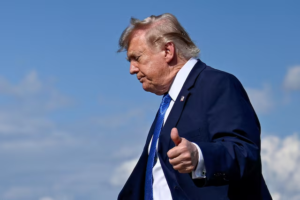


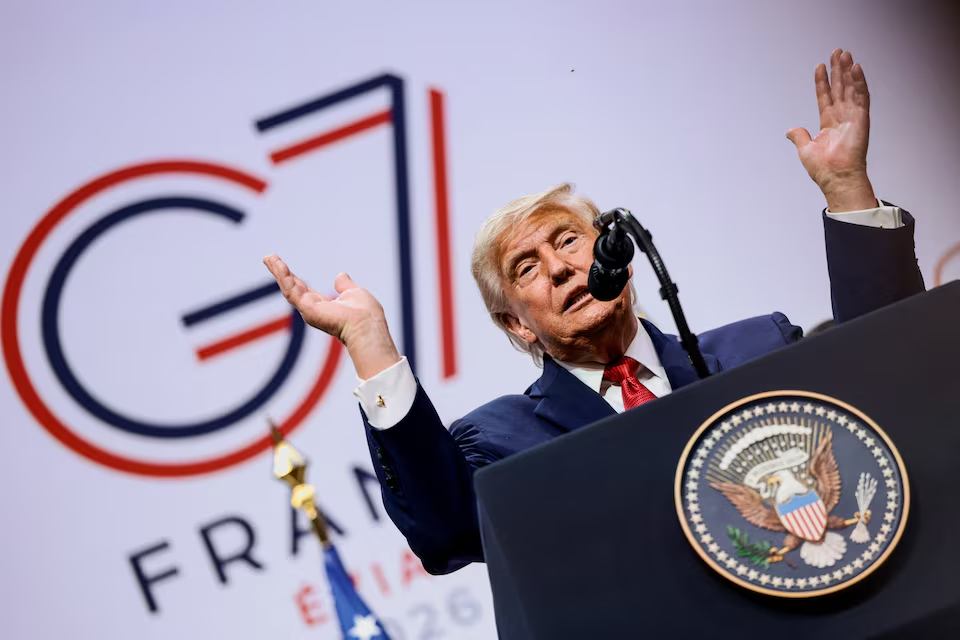
President Donald Trump on Wednesday praised Chinese President Xi Jinping and Russian President Vladimir Putin for what he described as their neutral approach during the recent conflict with Iran, saying both leaders helped prevent the situation from becoming even more complicated.
Speaking after a ceasefire agreement between the United States and Iran was finalized, Trump said Beijing and Moscow chose not to take steps that could have strengthened Tehran’s position or increased pressure on Washington during nearly four months of fighting.
His comments were striking because they came at a time when U.S. relations with both China and Russia remain tense on several fronts, including trade, security, and geopolitical influence.
“I want to thank China, President Xi,” Trump told reporters. “He stayed neutral, totally neutral, and I appreciate it.”
Trump also singled out Putin for praise.
“I want to thank Vladimir Putin. He was very neutral,” the president said. “They could have made it much more difficult for us.”
A Different Tone Toward America’s Rivals
The remarks represented a notable change in tone from Trump’s recent criticism of several U.S. allies.
Throughout the conflict, Trump publicly questioned the level of support provided by some European and Asian partners. He argued that countries benefiting from secure shipping routes and stable energy supplies should have contributed more to military and security operations.
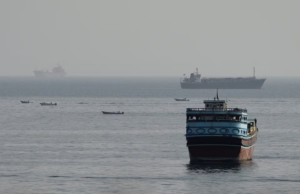
The criticism became especially pointed during efforts to reopen and secure the Strait of Hormuz after shipping disruptions pushed oil prices higher.
Against that backdrop, Trump’s decision to thank China and Russia drew attention among foreign policy observers.
While both countries maintain close ties with Iran, Trump suggested they chose restraint at a critical moment.
China’s Relationship With Iran Remained Under the Microscope
China’s position during the conflict was closely watched because of its long-standing economic relationship with Iran.
For years, China has been one of Iran’s most important trading partners and one of the largest buyers of Iranian oil. Chinese refiners continued purchasing Iranian crude even as U.S. sanctions sought to limit Tehran’s energy exports.
American intelligence agencies also examined reports that certain Chinese-made products with potential military applications reached Iran during the conflict, according to people familiar with the assessments.
At the diplomatic level, Beijing strongly criticized U.S. military strikes on Iranian targets. Chinese officials described the attacks as violations of Iranian sovereignty and repeatedly called for negotiations.
Despite those disagreements, Trump argued that China’s actions ultimately helped keep the conflict from expanding.
Trump Says Beijing Chose Restraint
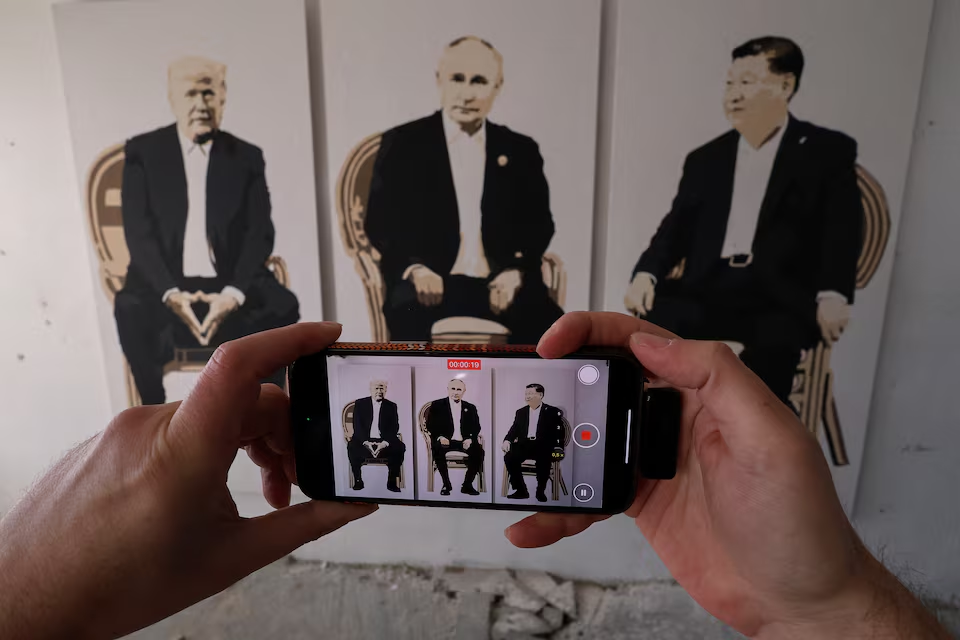
According to Trump, China had opportunities to provide greater support to Iran but decided against doing so.
The president pointed to what he described as Beijing’s decision not to send advanced military equipment or increase its military presence in support of Tehran.
“They could have made it much harder,” Trump said.
He also suggested Xi played a constructive role behind the scenes during efforts to reduce tensions and encourage a diplomatic outcome.
“President Xi helped me,” Trump said. “He tried to help, and I think he probably helped get it solved.”
The White House has not released details about any direct discussions between Trump and Xi regarding the conflict. However, analysts note that China had strong reasons to support stability.
A prolonged war in the Gulf region would have threatened global energy supplies and increased costs for China’s economy, which relies heavily on imported oil.
Beijing Repeats Its Call for Peace
Following Trump’s comments, China’s embassy in Washington said Beijing’s position throughout the conflict had remained consistent.
A spokesperson said China worked to encourage dialogue, reduce tensions, and support efforts to end the fighting.
Chinese officials have repeatedly stated that negotiations remain the best path to resolving disputes in the Middle East.
For Beijing, stability in the region carries significant economic importance. The Gulf remains a major source of energy imports and a growing market for Chinese investment and trade.
Russia Maintained Its Balancing Act
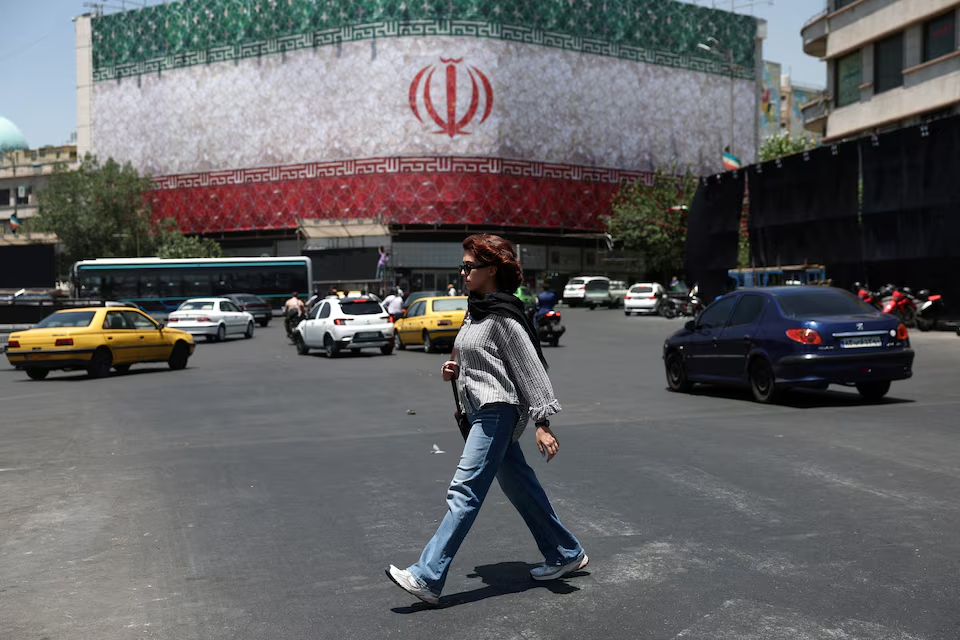
Russia faced a complicated situation throughout the conflict.
Moscow maintains strong ties with Iran and has often opposed Western efforts to isolate Tehran. At the same time, Russian officials sought to avoid becoming directly involved in the war.
Throughout the fighting, the Kremlin called for restraint and warned that continued escalation could destabilize the region and increase the risk of a broader arms race.
Some analysts expected Russia to offer stronger support to Iran because of their strategic partnership. That support never fully materialized.
Trump appeared to view that decision as significant.
By avoiding direct involvement, Moscow reduced the risk that the conflict could evolve into a larger confrontation involving multiple major powers.
Russia’s embassy in Washington did not immediately comment on Trump’s remarks.
Focus Shifts From War to Diplomacy
Trump’s comments came as attention moved away from military operations and toward the next phase of negotiations.
Under the ceasefire agreement, American and Iranian negotiators are expected to begin talks in Switzerland aimed at reaching a broader peace settlement.
Several difficult issues remain unresolved, including Iran’s nuclear program, sanctions relief, regional security arrangements, and shipping access through the Strait of Hormuz.
The ceasefire has reduced immediate concerns about renewed fighting, but diplomats acknowledge that reaching a lasting agreement will be far more difficult than securing a temporary pause in hostilities.
Major Powers Could Still Shape the Outcome
Although the negotiations will focus on Washington and Tehran, China and Russia are likely to remain important players in the background.
Both governments maintain close relationships with Iran and possess diplomatic influence that could affect the direction of future talks.
Their willingness to support negotiations rather than escalation may help create conditions for progress, even if they are not directly involved in the discussions.
Trump’s public praise reflects the unusual dynamics that often emerge during international crises. Countries that compete on many issues can sometimes find common ground when the goal is preventing a wider conflict.
As talks begin in Switzerland, negotiators face the difficult task of turning a ceasefire into a lasting agreement. The outcome will depend largely on decisions made by the United States and Iran, but the actions of major powers such as China and Russia could still influence the road ahead.