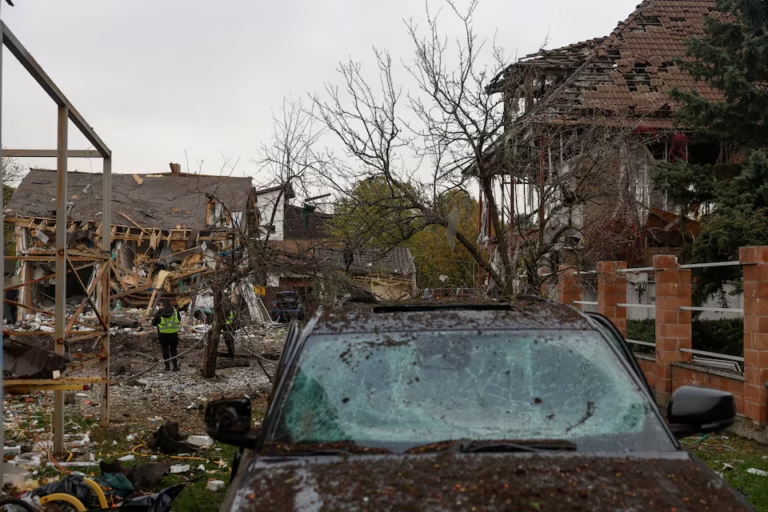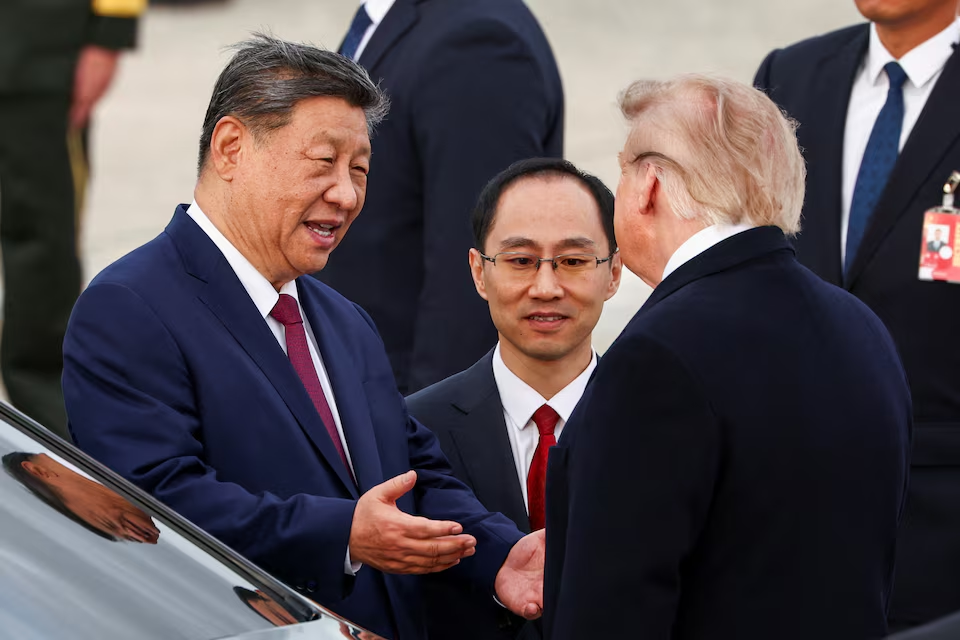

Lebanon and Israel have announced a new ceasefire arrangement following intensive diplomatic negotiations in Washington aimed at halting months of escalating violence along their shared border. The agreement marks the latest effort to stabilize one of the Middle East’s most volatile fronts, where hostilities have repeatedly threatened to widen into a broader regional conflict.
The ceasefire was reached with significant involvement from the United States and comes amid ongoing diplomatic efforts to resolve tensions linked to the wider confrontation involving Iran and its regional allies. Officials from both countries confirmed the agreement on Wednesday, describing it as a step toward restoring security and creating conditions for longer-term negotiations.
While previous ceasefire attempts have struggled to hold, negotiators hope the latest framework will establish stronger mechanisms for preventing renewed violence and reducing the risk of another large-scale conflict.
Key Conditions Focus on Hezbollah Activity
A central component of the agreement involves the activities of Hezbollah, the Iran-backed armed movement that has played a major role in the conflict.
Under the terms outlined in the joint understanding, the ceasefire is tied to a complete halt in military operations by Hezbollah and the withdrawal of its personnel from areas south of the Litani River. The region has long been viewed as a flashpoint due to its proximity to Israel’s northern border and the presence of armed groups operating outside the authority of the Lebanese state.
The agreement also envisions the Lebanese Armed Forces taking exclusive responsibility for security in designated areas. Officials say pilot zones will be established where government forces will assume full control, preventing any non-state armed actors from operating within those territories.
Supporters of the plan argue that strengthening the role of Lebanon’s national army is essential for achieving lasting stability and reducing the likelihood of future cross-border clashes.
Ceasefire Builds on Earlier Attempts

The latest deal follows previous ceasefire arrangements reached earlier this year. Lebanon and Israel had agreed to a suspension of hostilities in April, which was later extended in May. Despite those efforts, violence continued in several areas, highlighting the fragility of the situation.
Military exchanges, drone attacks, and artillery strikes persisted along parts of the border, raising concerns that the conflict could escalate further despite ongoing diplomatic engagement.
The renewed agreement seeks to address some of the shortcomings of previous arrangements by introducing more structured security measures and creating a framework for direct dialogue between the two sides.
Diplomats involved in the negotiations believe that stronger monitoring mechanisms and continued international involvement could improve compliance and reduce the chances of violations.
Violence Continues Despite Diplomatic Progress
Even as the ceasefire was announced, reports of violence underscored the challenges facing implementation efforts.
Lebanese security officials reported that Israeli drone strikes killed several people in southern Lebanon on Wednesday. Separate strikes reportedly targeted vehicles in areas south of Beirut, adding to concerns about ongoing military activity despite diplomatic progress.
Israeli authorities, meanwhile, said their defense systems intercepted what they described as a hostile aerial threat believed to have originated from Hezbollah-controlled territory.
The incidents illustrate the difficulty of translating political agreements into immediate calm on the ground, particularly in areas where tensions remain high and military forces remain on alert.
Analysts note that ceasefires in the region often face early tests as both sides assess the intentions and commitments of their adversaries.
U.S. Efforts Help Prevent Further Escalation
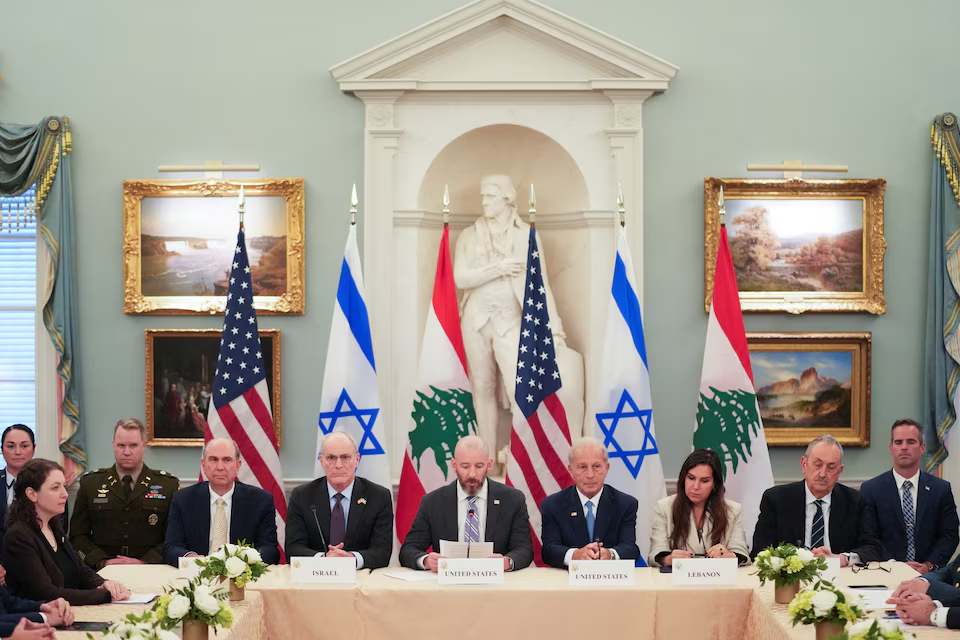
The latest ceasefire announcement follows a U.S.-brokered arrangement earlier in the week that helped avert a potentially dangerous escalation around Beirut.
Under that understanding, Israel reportedly stepped back from plans to target Hezbollah strongholds in Beirut’s southern suburbs, while Hezbollah agreed to suspend cross-border attacks against Israeli territory.
Diplomatic sources described the intervention as a critical moment that prevented the conflict from expanding further. Washington has played an increasingly active role in mediating between the parties, seeking to contain regional instability while broader negotiations involving Iran continue.
U.S. officials have repeatedly emphasized that reducing violence in Lebanon is a necessary component of any comprehensive effort to restore stability across the region.
Regional Conflict Shapes Negotiations
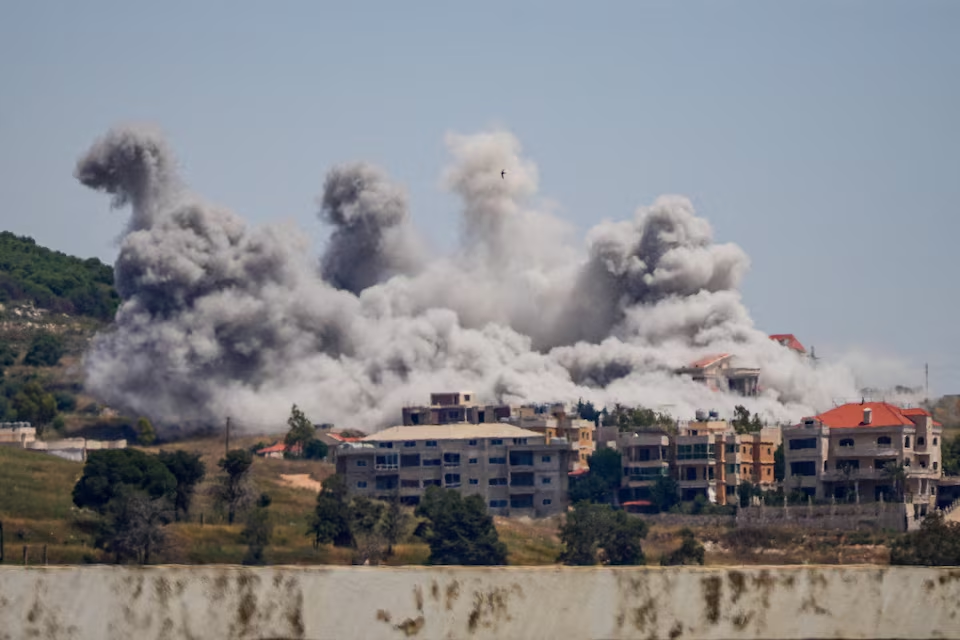
The conflict between Israel and Hezbollah has become closely linked to wider geopolitical developments involving Iran.
Hostilities intensified after Hezbollah entered the confrontation in support of Tehran, opening a new front that complicated efforts to contain the broader crisis. Since then, military exchanges have displaced large numbers of civilians, damaged infrastructure, and heightened fears of a prolonged regional war.
Iran has consistently argued that any comprehensive agreement involving the United States and Israel must also address developments in Lebanon. Iranian officials have maintained that a durable settlement cannot be achieved if fighting continues along the Lebanese-Israeli border.
This position has increased the strategic importance of the Lebanon ceasefire, making it a significant factor in broader diplomatic calculations across the Middle East.
Direct Talks Planned for June
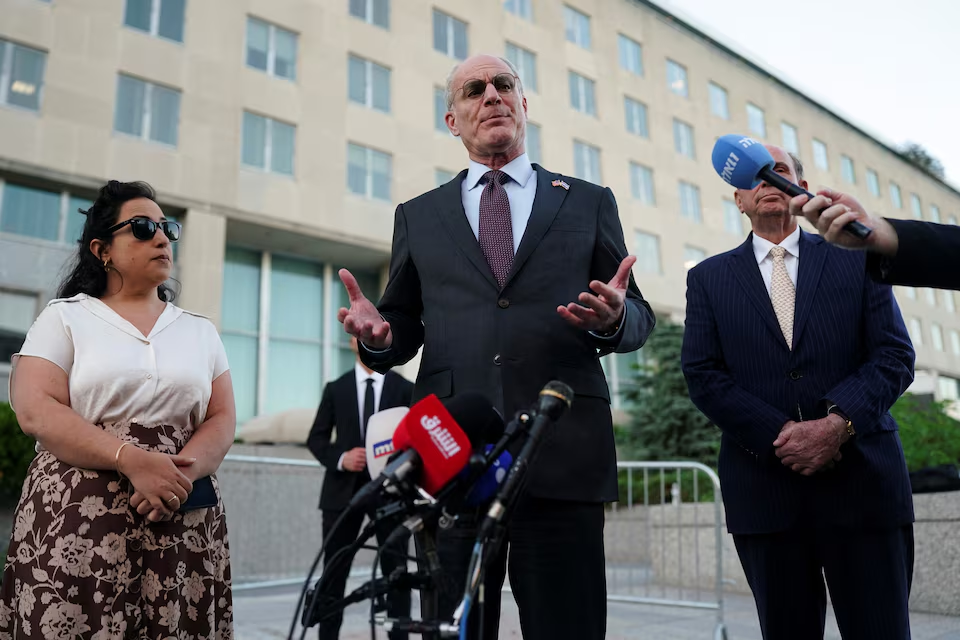
One of the most notable aspects of the latest agreement is the commitment by Lebanon and Israel to continue direct discussions aimed at resolving unresolved political and security issues.
According to the framework announced Wednesday, representatives from both sides are expected to meet again during the week of June 22. The talks will focus on confidence-building measures, border security concerns, and other longstanding disputes that have contributed to recurring tensions.
Diplomatic observers view the decision to continue negotiations as an encouraging sign, particularly given the absence of regular direct engagement between the two countries.
While significant differences remain, officials hope sustained dialogue can reduce misunderstandings and create pathways toward a more comprehensive settlement.
Challenges Remain Ahead
Despite the optimism surrounding the agreement, experts caution that substantial obstacles remain.
The presence of armed groups, deep political divisions, regional rivalries, and decades of mistrust continue to complicate efforts to secure lasting peace. Previous ceasefires have collapsed under the weight of renewed violence, making many observers cautious about predicting success.
Nevertheless, the latest breakthrough represents one of the most significant diplomatic developments in recent months. If implemented successfully, it could reduce tensions along one of the Middle East’s most sensitive borders and contribute to wider efforts to stabilize the region.
For communities on both sides of the frontier, the hope is that the ceasefire will provide a respite from conflict and open the door to a more secure future after months of uncertainty and violence.