
As gasoline prices continue climbing across the United States amid tensions with Iran, many Americans are feeling the financial strain at the pump. Yet in parts of rural Colorado, support for President Donald Trump remains remarkably resilient, even as energy costs surge and economic concerns deepen.
In the small farming town of Wiggins, northeast Colorado, residents say they are frustrated by rising prices but still believe the broader geopolitical stakes outweigh the short-term pain. For many voters in the region, national security concerns surrounding Iran and deep distrust of Democrats continue to reinforce their loyalty to Trump.
Fuel Prices Climb as Conflict Intensifies
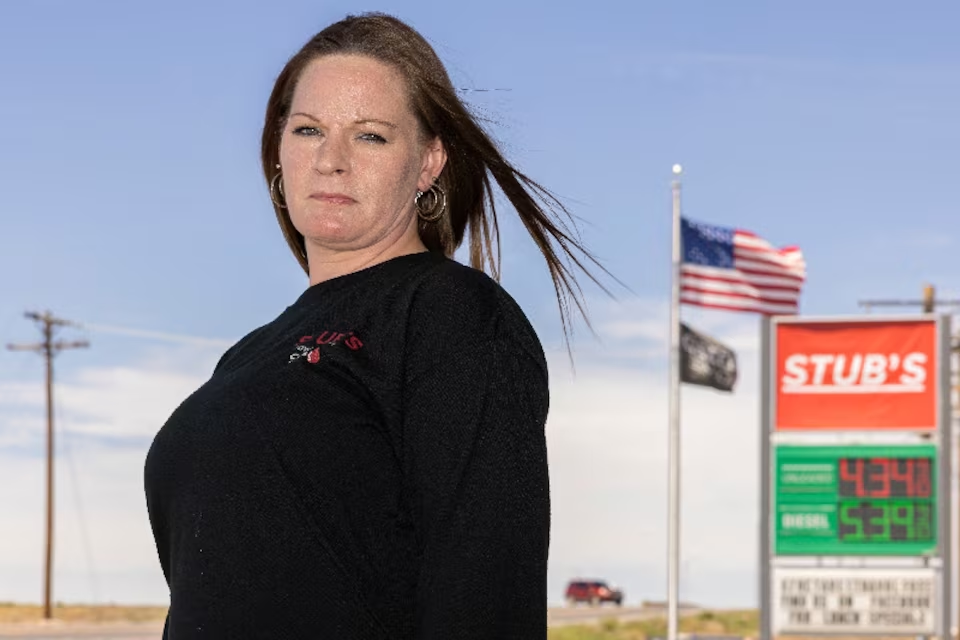
At Stubs liquor store in Wiggins, employee Amy Van Duyn watched the gas station sign across the street display prices above $4.30 per gallon — nearly 50% higher than levels seen when Trump returned to office last year.
The spike mirrors a nationwide trend fueled largely by instability in the Middle East and disruptions to global energy markets tied to the ongoing Iran conflict. National averages have moved past $4.50 per gallon in several areas, increasing pressure on households already struggling with inflation and higher living costs.
Recent polling has shown growing public frustration over fuel prices, with many Americans blaming the White House for worsening economic conditions. However, voters in conservative communities along Colorado’s Highway 52 appear willing to tolerate the increase if it means preventing Iran from obtaining nuclear capabilities.
“He’s Fighting for Us”
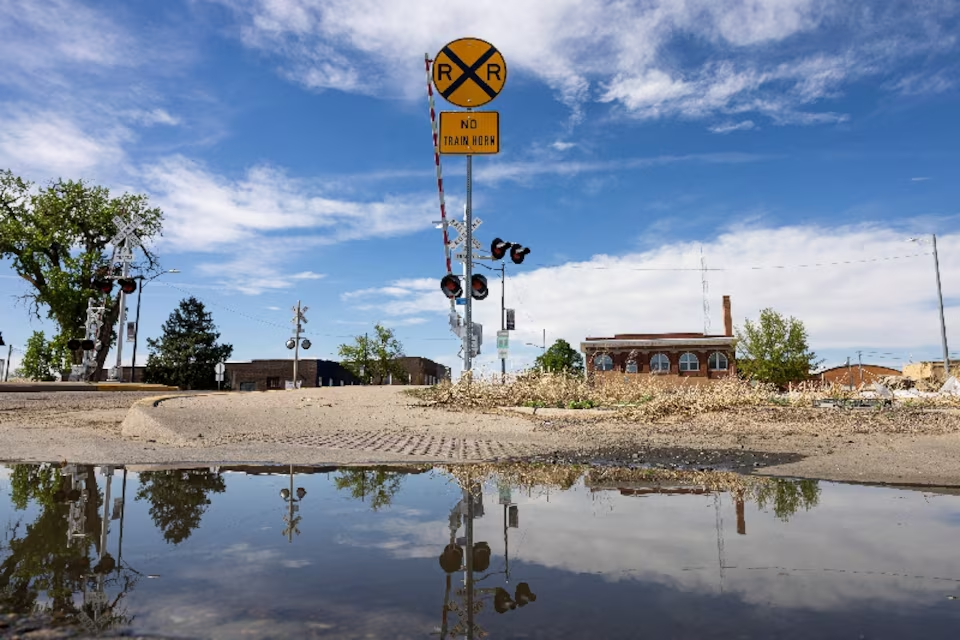
Morgan and Weld counties, heavily Republican regions dominated by farming, oil production and ranching, have remained deeply supportive of Trump despite the economic challenges.
Residents interviewed across the area repeatedly defended the president’s handling of the Iran crisis, arguing that confronting Tehran is more important than short-term financial discomfort.
“It feels like he hears us,” Van Duyn said, echoing a sentiment shared by many local voters. “He’s fighting for us.”
The comments highlight the enduring connection Trump has built with his political base, particularly in rural America where cultural identity and national security concerns often outweigh economic frustrations.
Sacrifice for Security
About 25 miles southwest of Wiggins, retired commodities broker Jim Miller worked on repairing his aging Dodge pickup while reflecting on the economic strain facing many Americans.
Miller, who describes himself as “half-hippie, half-cowboy,” acknowledged that higher gasoline prices are difficult but insisted that national security should come first.
He compared the current situation to earlier periods in American history when citizens accepted hardships during wartime.
“People used to understand sacrifice,” Miller said. “If preventing a nuclear threat means paying more for gas temporarily, then that’s something we should be willing to endure.”
His views reflect a broader sentiment among many conservative voters who see economic sacrifice as necessary during international crises.
Economic Concerns Still Growing

Despite their support for Trump, several residents admitted that soaring energy prices are hurting businesses and household budgets.
In Roggen, grain trader Mike Urbanowicz said the cost of fuel has placed additional strain on the agricultural sector, where transportation expenses directly affect profits.
His farming cooperative moves roughly 150 truckloads of grain every day, making diesel and gasoline prices a major concern for operations.
Urbanowicz criticized Trump’s belief that energy prices could quickly stabilize, saying the market disruptions caused by the conflict with Iran may continue for months.
Still, he said he remains skeptical of Democratic leadership and views Trump as the preferable option.
“I voted for Trump because I believed the alternative would be worse,” he explained.
Younger Voters Also Stand Firm

Support for Trump in the region is not limited to older voters.
Inside a tattoo parlor in Fort Morgan, 22-year-old Lexys Siebrands said she once identified as a Democrat but gradually shifted toward conservative politics over the past few years.
She argued that conflict with Iran had become unavoidable and supported a tougher American stance in the region.
“Something was eventually going to happen,” she said. “Either they act against us or we act first.”
Her mother, Jyl Siebrands, shared similar views, saying that while higher gas prices are frustrating, the possibility of a nuclear-armed Iran is a far greater concern.
When asked whether there was anything that could weaken her support for Trump’s handling of the economy or foreign policy, she responded without hesitation.
“No,” she said. “I’m fully on board.”
Political Loyalty Amid Economic Pressure
The conversations unfolding across rural Colorado reveal how deeply political identity and national security concerns continue to shape public opinion in the United States.
While inflation and energy prices remain central issues nationally, many Trump supporters appear willing to absorb economic hardship if they believe it serves a larger strategic goal.
For now, at least in conservative parts of Colorado, loyalty to the president remains intact — even as the numbers on gas station signs continue to rise.