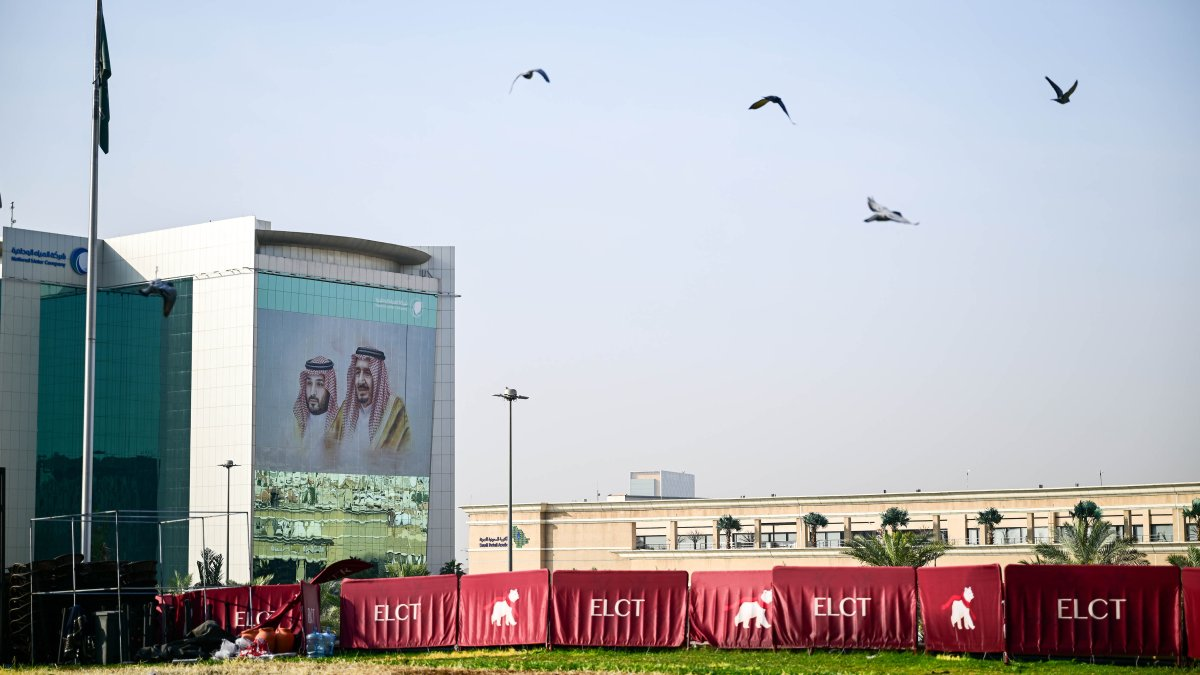
Saudi Arabia is reportedly considering a non-aggression agreement with Iran as Gulf nations reassess their security priorities following months of escalating conflict and instability across West Asia. The discussions come in the aftermath of the recent Iran-Israel confrontation, which exposed the vulnerability of critical energy infrastructure and intensified fears of a broader regional war.
According to regional analysts and diplomatic sources, Riyadh is exploring the possibility of a wider security framework aimed at reducing direct confrontation and preventing future military escalation in the Gulf.
Gulf States Reevaluate Security Strategy
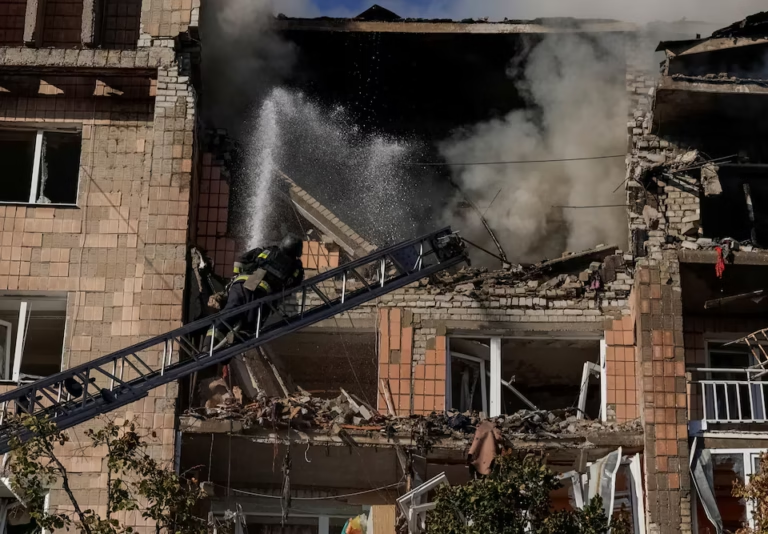
The latest conflict between Iran and Israel sent shockwaves through the Middle East, with missile and drone threats disrupting trade routes, energy shipments and regional airspace. Gulf countries, heavily dependent on oil exports and stable maritime routes, have become increasingly concerned about the long-term risks posed by prolonged instability.
Saudi Arabia, the world’s largest oil exporter, has accelerated efforts to strengthen diplomatic channels after attacks and regional tensions highlighted the fragility of critical infrastructure. Officials in Riyadh are believed to be examining new approaches that prioritize de-escalation over direct confrontation.
Analysts say Gulf governments are now balancing military preparedness with diplomatic engagement as they seek to avoid being drawn into another costly regional conflict.
A Helsinki-Style Framework for the Middle East
Reports suggest Saudi officials are discussing a broader post-war regional security arrangement modeled partly on the Cold War-era Helsinki Process, which helped reduce tensions between Western nations and the Soviet bloc during the 1970s.
The proposed framework could involve confidence-building measures, dialogue mechanisms and agreements designed to limit military escalation between rival powers in the region.
Diplomatic observers say such a structure would aim to create predictable communication channels between Gulf states and Iran while reducing the risk of accidental conflict in sensitive areas such as the Strait of Hormuz.
Energy security remains a central concern. The Gulf region supplies a significant share of the world’s oil exports, and any disruption to shipping lanes can quickly impact global markets and fuel prices.
US-Iran Talks Add New Dimension
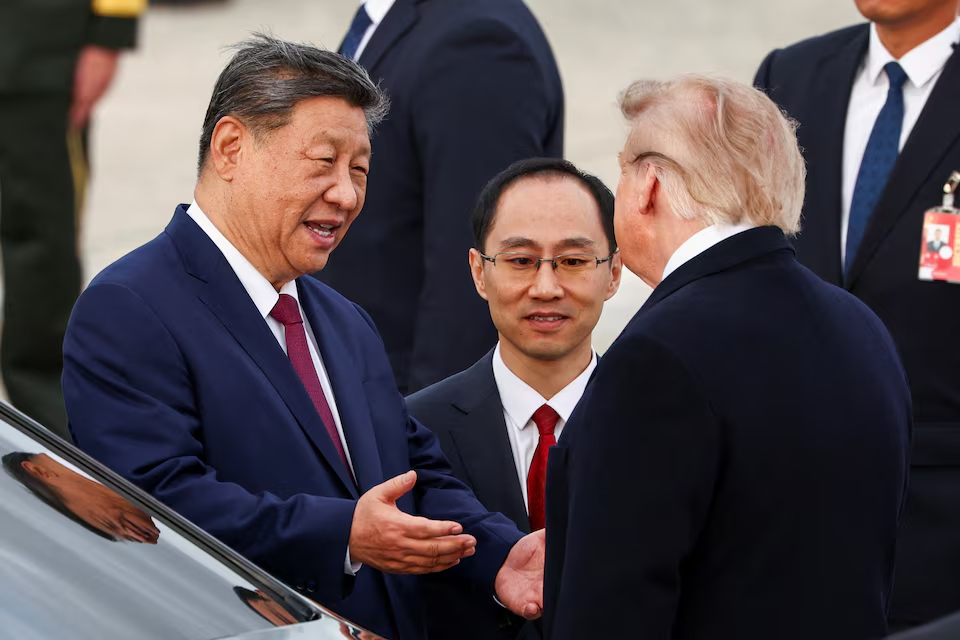
At the same time, back-channel negotiations between the United States and Iran are reportedly continuing behind the scenes, despite public disagreements over sanctions, regional influence and Tehran’s nuclear program.
Washington has been attempting to stabilize the region while maintaining pressure on Iran over its military and nuclear activities. Gulf nations are closely monitoring these discussions, aware that any breakthrough — or collapse — could significantly reshape regional alliances.
The renewed diplomatic activity reflects growing recognition among regional powers that military escalation alone may not deliver long-term stability.
Regional Divisions Emerging
While Gulf states share concerns about security threats, differences are reportedly emerging within the region over how to engage with Iran.
Saudi Arabia and the United Arab Emirates, long considered close strategic partners, are said to have differing views on the pace and scope of normalization with Tehran. Some policymakers favor cautious diplomatic engagement, while others remain skeptical about Iran’s intentions and regional ambitions.
Observers note that Gulf countries are increasingly pursuing independent foreign policy strategies rather than relying solely on traditional alliances.
Debate Over Israel’s Role
Another sensitive issue involves Israel’s potential place in any future regional security structure. Some analysts believe a broader Middle East security arrangement would be difficult to achieve without addressing Israel’s role, especially following the recent conflict with Iran and ongoing tensions involving Iranian-backed groups in the region.
However, integrating Israel into a collective regional framework remains politically controversial across much of the Arab world.
A Shift Toward Pragmatism
Despite lingering mistrust, the growing interest in diplomatic engagement signals a broader shift toward pragmatism in Gulf politics. Regional leaders appear increasingly focused on protecting economic stability, safeguarding energy exports and preventing another large-scale conflict that could damage already fragile economies.
Whether the proposed discussions eventually evolve into a formal agreement remains uncertain. Still, the renewed push for dialogue highlights how rapidly changing geopolitical realities are forcing Middle Eastern powers to reconsider long-standing rivalries and security strategies.