
In modern American politics, image has become almost as powerful as ideology. From campaign slogans and social media branding to fashion choices and viral internet memes, political identity increasingly extends beyond speeches and policy positions. Now, even men’s hairstyles are becoming part of the cultural conversation.
Across conservative media circles, podcast studios, online influencers, and political rallies, a particular men’s haircut has emerged as closely associated with the MAGA movement surrounding U.S. President Donald Trump. The style — often described by barbers as a disconnected undercut paired with a textured crop or high skin fade — has evolved into an unofficial visual marker of a certain brand of masculinity, nationalism, and online conservative culture.
While many men wear the hairstyle simply because it is fashionable, critics and commentators argue the cut has gradually taken on political and cultural symbolism over the past decade, particularly within far-right internet spaces and populist conservative movements.
The growing debate highlights how appearance, branding, and identity politics have become deeply intertwined in America’s increasingly polarized culture.
The Rise of the “MAGA Cut”
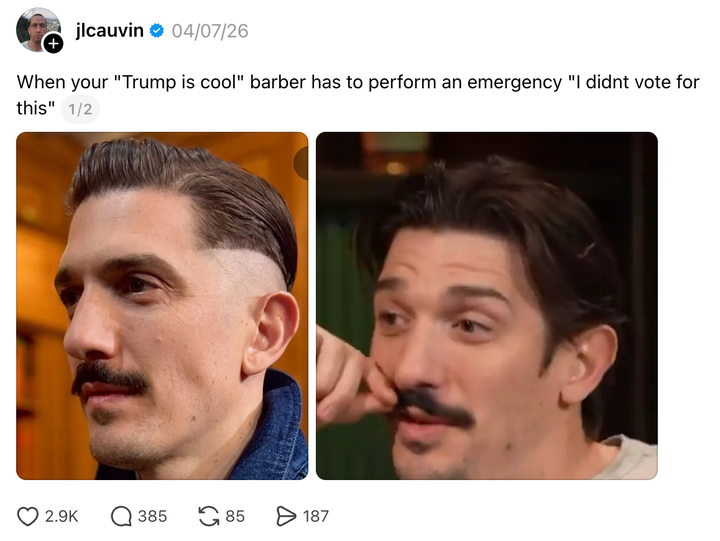
Barbers and fashion observers say the haircut commonly associated with conservative “podcast bro” culture features closely shaved sides, sharp fades, and longer textured hair on top, often styled backward or upward with matte products.
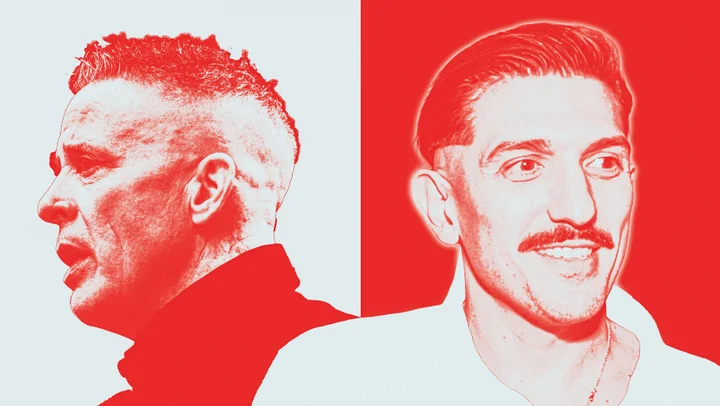
The look has been worn by a range of public figures linked to conservative or anti-establishment media circles, including comedian Andrew Schulz and former Border Patrol official Greg Bovino.
Schulz, who interviewed Trump during the 2024 presidential campaign and publicly expressed support for some of the president’s positions, recently became the subject of social media ridicule after appearing to distance himself from certain MAGA political narratives while also changing his hairstyle.
Online commentators joked that the comedian’s softer hairstyle mirrored his evolving political tone.
For Bovino, critics said the haircut reinforced a more militarized image. The former immigration official became a controversial national figure following aggressive immigration enforcement operations and public criticism over tactics used during federal crackdowns.
European commentators even compared Bovino’s styling and appearance to authoritarian-era military aesthetics, demonstrating how hairstyles can quickly become politically charged symbols in today’s digital landscape.
From Hipster Trend to Political Symbol
Interestingly, the haircut itself did not begin as a conservative political statement.
During the late 2010s, variations of the undercut fade became mainstream across fashion, sports, music, and entertainment. Celebrities such as David Beckham popularized versions of the cut, while television shows like Peaky Blinders helped make vintage-inspired fades fashionable among younger men.
The hairstyle also became associated with urban hipster culture, barbershop revival trends, and modern streetwear aesthetics.
However, according to barbers and cultural analysts, the look gradually evolved online into something more politically coded after white nationalist figures and far-right activists began embracing similar grooming styles around 2016.
Jesse Morton, co-owner of Cloak & Dagger Barber Co. in Portland, Oregon, said the style became informally known online as the “fashy haircut” after extremists within the alt-right movement adopted it as part of their broader aesthetic identity.
The hairstyle’s militaristic appearance, clean lines, and association with hyper-masculinity helped it spread within nationalist internet communities during the rise of populist political movements in both the United States and Europe.
Still, experts caution against assuming political affiliation based solely on appearance.
“A haircut alone doesn’t define someone’s ideology,” several stylists noted, emphasizing that the same cut remains common among athletes, musicians, creatives, and young professionals with no political agenda.
Why Grooming Has Become Political
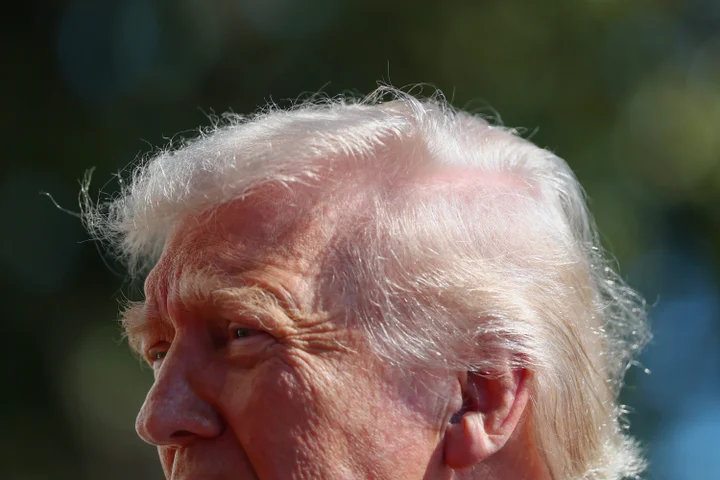
Political branding has always involved visual identity. From tailored suits and patriotic pins to campaign hats and color schemes, politicians and supporters frequently use appearance to communicate values and belonging.
But social media has intensified the phenomenon dramatically.
Platforms like TikTok, Instagram, Threads, and YouTube now allow aesthetics to spread rapidly through algorithms, memes, influencer culture, and online tribalism. Hairstyles, mustaches, sunglasses, and even gym physiques have increasingly become shorthand for broader political identities.
In conservative online spaces, the undercut-and-fade hairstyle often appears alongside other visual tropes associated with modern masculinity culture:
- Tactical-style clothing
- Heavy gym culture
- Podcast influencer aesthetics
- Beard grooming trends
- Vintage Americana fashion
- Aggressive “alpha male” branding
Critics argue these visual cues are part of a broader attempt to create a modern conservative identity rooted in strength, toughness, and anti-establishment rebellion.
Supporters, meanwhile, say the criticism is exaggerated and politically motivated.
The “Podcast Bro” Influence
Barbers say the haircut’s continued popularity owes much to the explosion of male-focused podcast culture.
The rise of podcast hosts, comedians, influencers, and online commentators discussing politics, fitness, entrepreneurship, and masculinity helped normalize a specific visual style among younger conservative-leaning audiences.
Calvin Cao, founder of Kindred Barber in Washington, D.C., described it less as a universal Republican haircut and more as a “city-based podcast bro” aesthetic.
He explained that urban conservative influencers often invest heavily in grooming, styling, and branding to cultivate a polished media persona.
Unlike traditional political images associated with older conservative figures, the modern MAGA aesthetic blends internet culture with luxury masculinity — sharp cuts, fitted clothing, expensive watches, designer sneakers, and carefully curated social media imagery.
The result is a younger, media-savvy conservative brand that differs sharply from older Republican stereotypes.
Is the Trend Already Fading?
Despite its prominence, many hairstylists believe the sharply disconnected undercut is already losing momentum.
Fashion trends in men’s grooming are increasingly moving toward softer, more natural looks with less aggressive fades and more texture.
Jonny Haviv, founder of Hairchitect Barbershop & Lounge in San Francisco, said clients now prefer hairstyles that feel more relaxed and less engineered.
Instead of rigid styling and ultra-clean skin fades, many younger men are opting for:
- Longer textured cuts
- Natural curls and waves
- Messier layered styles
- Medium-length scissor cuts
- Softer tapers instead of hard fades
Barbers say this shift reflects broader fashion changes favoring authenticity and “effortless” presentation over highly polished aesthetics.
Some stylists also believe younger consumers are becoming more cautious about adopting styles perceived as politically coded.
Liberal Haircuts Have Their Own Identity Too
Political aesthetics are not exclusive to conservatives.
Barbers interviewed about modern political fashion trends say liberal men often gravitate toward a very different style philosophy.
Instead of sharp fades and rigid structure, progressive-leaning urban clients are increasingly choosing softer, lived-in hairstyles with minimal visible styling.
The look often emphasizes natural movement and understated grooming — conveying creativity, approachability, and anti-corporate individuality.
Even prominent Democratic figures have become associated with recognizable grooming identities.
California Governor Gavin Newsom, widely viewed as a potential 2028 presidential contender, is known for his meticulously styled silver hair and polished public image.
Some barbers jokingly describe Newsom’s look as “too perfect,” reflecting how political figures on both sides increasingly cultivate carefully managed visual brands.
Hairstyles as Cultural Messaging
Experts say the broader debate surrounding political hairstyles reveals how deeply American politics has merged with identity culture.
What people wear, how they groom themselves, and the aesthetic communities they participate in online increasingly signal values, affiliations, and worldview — even when unintentionally.
In previous generations, political identity was communicated mainly through voting patterns, party registration, or civic participation. Today, it can also be reflected through internet humor, lifestyle branding, fashion, and personal style.
For younger Americans especially, politics is no longer confined to debates and elections. It is embedded into entertainment, influencer culture, fitness, dating, social media, and aesthetics.
And in that environment, even a haircut can become part of the national conversation.