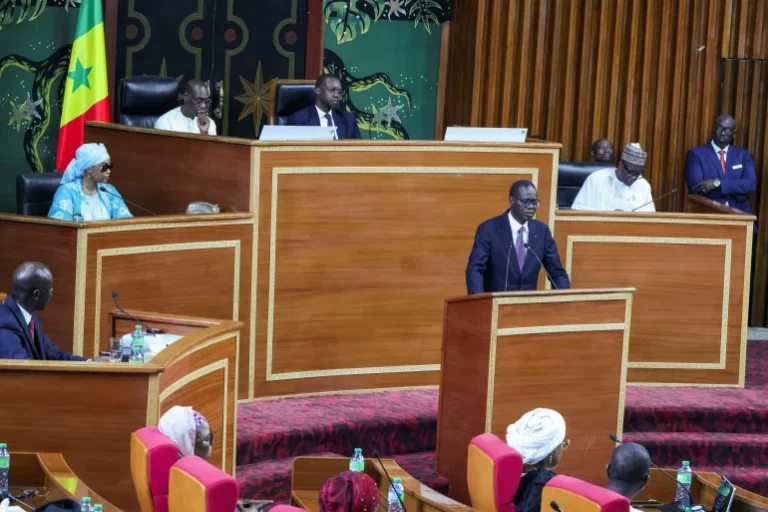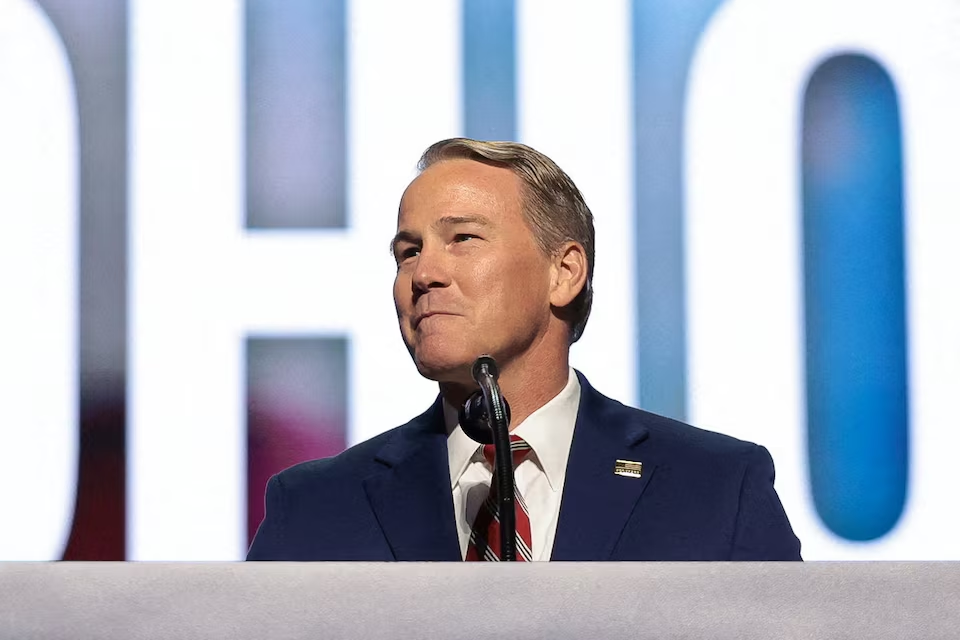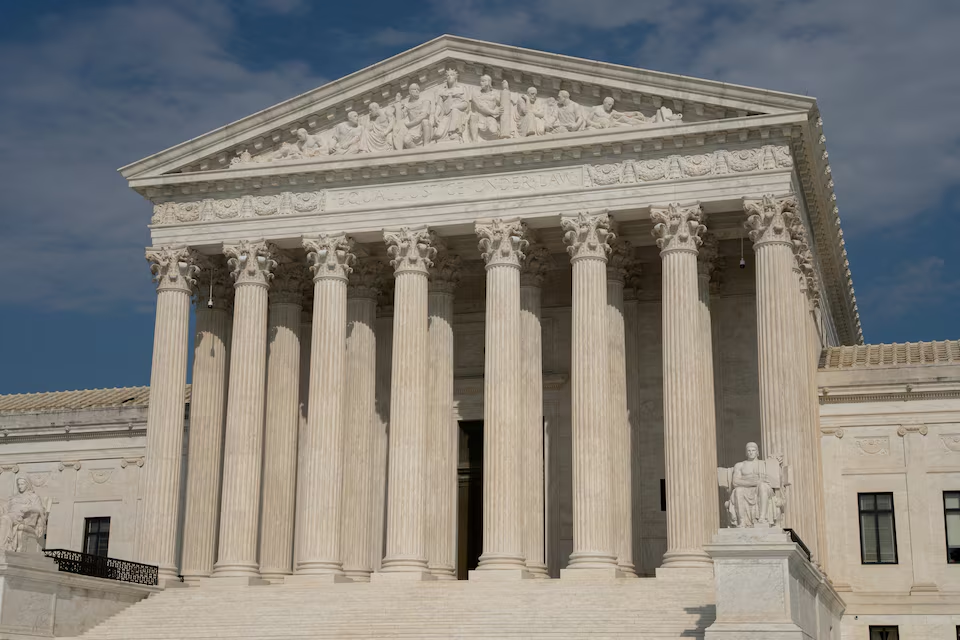

The Trump administration’s aggressive immigration operation in Minnesota has significantly disrupted federal criminal investigations across the state, according to a review of court records and interviews with current and former law enforcement officials.
What began as a large-scale immigration enforcement campaign quickly expanded into one of the most controversial federal operations in recent years, flooding Minneapolis and surrounding communities with immigration agents while diverting attention away from gun trafficking, drug crimes, gang investigations and other major public safety threats.
The operation, promoted by President Donald Trump as a necessary crackdown on violent undocumented immigrants, instead triggered widespread criticism from prosecutors, local officials and legal experts who argue that federal law enforcement priorities became dangerously unbalanced.
Court filings reviewed over the first four months of the year show a sharp decline in felony prosecutions unrelated to immigration. Federal prosecutors in Minnesota filed only eight gun and drug cases between January and April, compared with 77 during the same period a year earlier. Overall felony prosecutions were cut nearly in half.
The dramatic slowdown has raised concerns that federal agencies are struggling to maintain basic crime-fighting operations while prioritizing immigration enforcement efforts.
Prosecutors and Agents Reassigned Amid ICE Surge
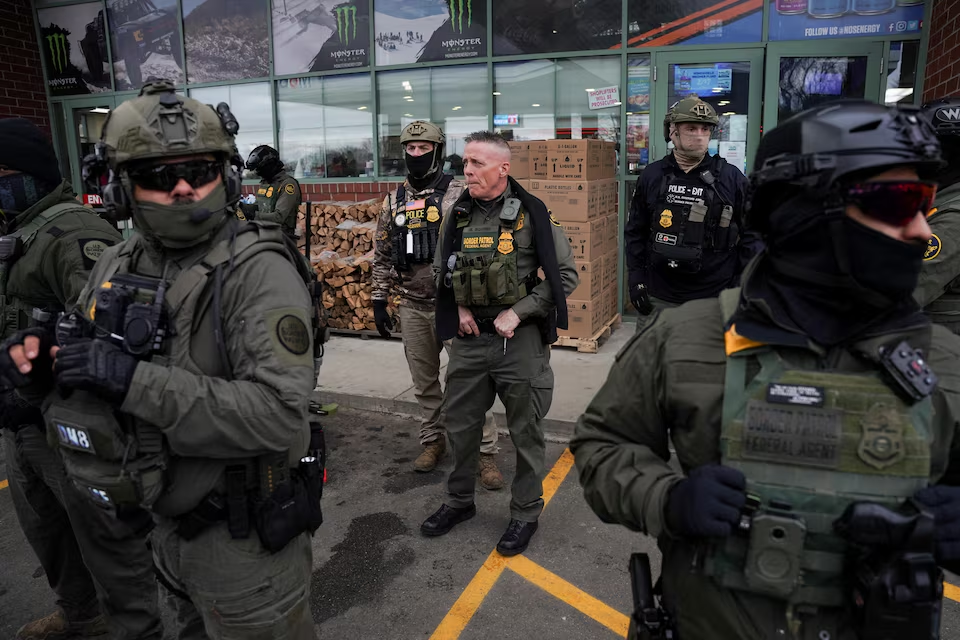
The federal immigration surge intensified in Minneapolis during the winter months, with thousands of agents deployed across the region. The operation involved officers from Immigration and Customs Enforcement, Homeland Security Investigations and other federal agencies.
According to multiple officials familiar with the effort, agents who previously worked on narcotics investigations, gang task forces and organized crime operations were reassigned to immigration duties. In some cases, investigators handling long-running criminal probes were suddenly unavailable because they had been redirected toward immigration raids and detention operations.
Several federal prosecutors also left the U.S. Attorney’s Office in Minnesota during the crackdown, creating staffing shortages that affected ongoing cases.
Sources familiar with the office said departures accelerated after prosecutors were instructed to pursue politically sensitive investigations tied to the immigration operation. The staffing crisis reportedly left the office operating with roughly half of its normal number of attorneys.
The shortage became so severe that the Justice Department brought in temporary prosecutors and military lawyers from outside Minnesota to help manage the workload.
Legal experts warn the impact may continue long after the immigration operation ends.
Former federal prosecutor John Marti said federal law enforcement agencies play a critical role in tackling sophisticated criminal networks that local authorities often lack the resources to pursue.
“When federal resources disappear, there’s a major gap in public safety,” he said, warning that dangerous offenders may avoid prosecution because agencies are overwhelmed.
Local Officials Raise Public Safety Concerns
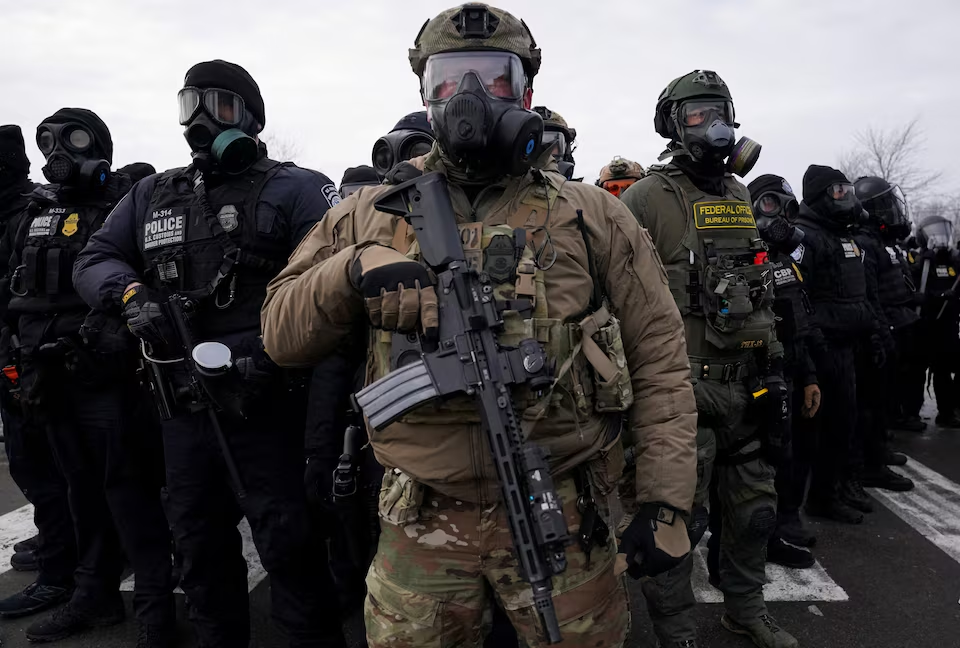
Local prosecutors in Minneapolis say the shift in federal priorities has forced state authorities to absorb increasingly complex criminal cases that would traditionally be handled at the federal level.
Hennepin County Attorney Mary Moriarty criticized the federal government’s focus on immigration arrests while violent crime investigations slowed dramatically.
According to Moriarty, federal agents have recently begun bringing advanced drug trafficking and sex trafficking cases to county prosecutors because federal attorneys no longer have the staffing capacity to handle them.
She described the situation as deeply concerning for public safety, arguing that resources were being redirected away from serious criminal threats.
The criticism reflects broader national concerns over how immigration enforcement policies may be reshaping the federal justice system.
Across the United States, criminal immigration prosecutions have surged to their highest levels in decades, while prosecutions involving narcotics and other federal crimes have declined sharply.
Protest Cases Move Forward While Violent Crime Cases Stall
One of the most controversial aspects of the Minnesota operation involved the prosecution of protesters demonstrating against immigration raids.
Among the felony cases filed this year were charges against dozens of people accused of disrupting a church service during protests tied to the immigration crackdown. Federal authorities also brought additional cases related to confrontations between protesters and immigration agents.
Critics argue the focus on protest-related prosecutions contrasted sharply with delays in violent crime cases.
In one example, a federal judge dismissed a firearm case after prosecutors repeatedly missed court deadlines. The judge ruled that the defendant’s constitutional right to a speedy trial had been violated.
In another case, federal prosecutors requested permission to drop charges against a man accused of involvement in a deadly carjacking that left two people dead and a child injured. Prosecutors said local authorities would instead pursue the case.
The developments have fueled accusations that the federal justice system in Minnesota became consumed by immigration enforcement at the expense of broader public safety responsibilities.
Immigration Crackdown Sparks National Debate
The operation in Minnesota became a flashpoint in the national debate over immigration enforcement after several controversial incidents drew widespread attention.
Federal agents were accused of using militarized tactics during raids and arrests across Minneapolis neighborhoods. Protests intensified after two U.S. citizens were fatally shot during separate confrontations involving immigration agents.
The incidents sparked demonstrations across the state and generated renewed scrutiny over the administration’s immigration policies.
Despite the criticism, the White House defended the operation, arguing that strong enforcement measures were necessary to combat illegal immigration and organized fraud schemes.
Administration officials pointed to concerns involving public benefits fraud and other criminal activity as justification for the expanded federal presence in Minnesota.
However, data reviewed from federal court records showed relatively few new fraud prosecutions during the same period.
Long-Term Impact on Federal Law Enforcement
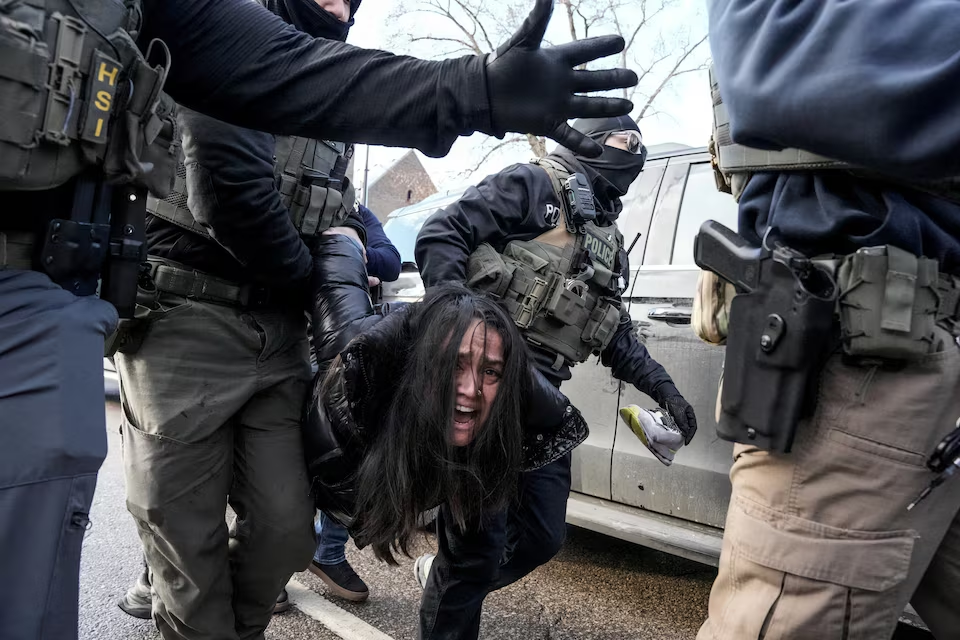
Law enforcement officials now warn that the consequences of the immigration surge may continue for years.
Federal agencies rely heavily on coordination between prosecutors, investigators and local task forces. When those relationships are disrupted, rebuilding them can take significant time.
Officials familiar with the operation said morale inside federal law enforcement agencies in Minnesota has also suffered, particularly among agents pulled away from long-running criminal investigations.
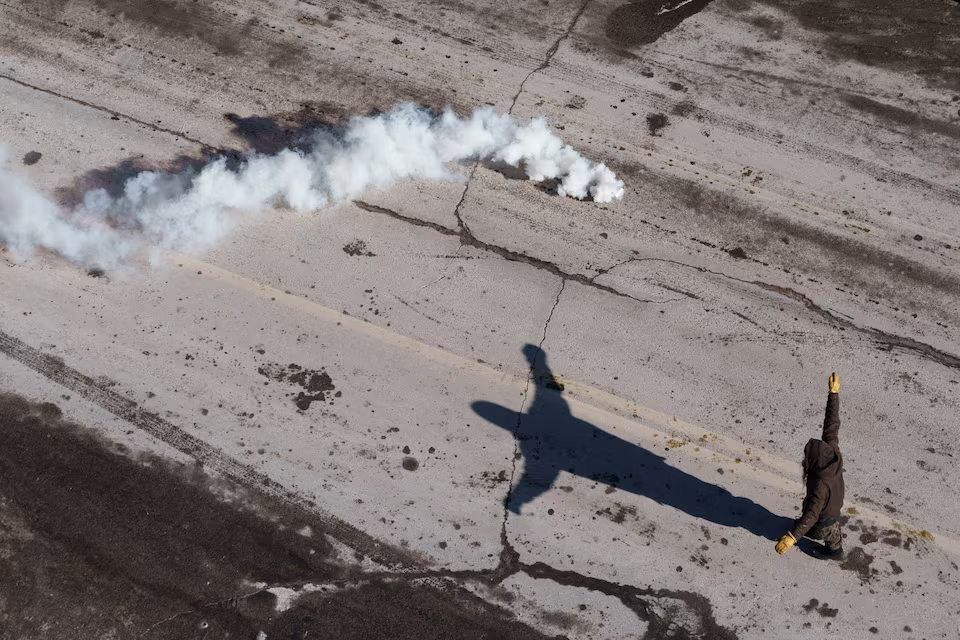
Some investigators reportedly worried that years of work targeting organized crime groups, violent gangs and trafficking networks had been sidelined indefinitely.
Meanwhile, legal analysts say the situation in Minnesota may offer a glimpse into how immigration enforcement priorities could reshape federal law enforcement nationwide if similar operations continue elsewhere.
For now, the debate remains deeply divided. Supporters of the crackdown argue tougher immigration enforcement is necessary for national security and border control. Critics counter that redirecting federal resources away from violent crime investigations ultimately weakens public safety.
As Minnesota continues recovering from months of political tension and operational upheaval, questions remain about whether federal authorities can restore the balance between immigration enforcement and traditional criminal prosecution.