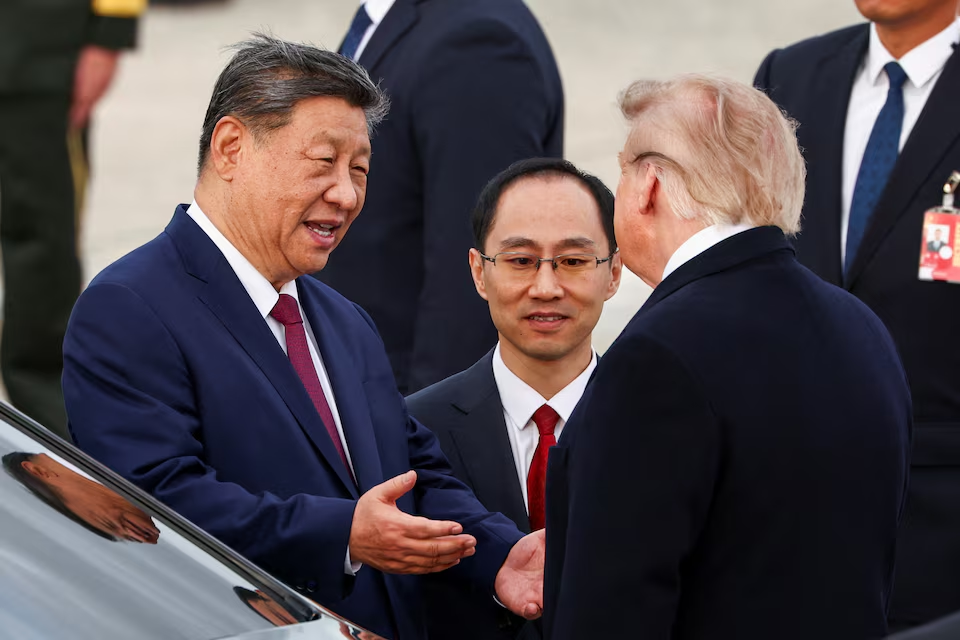

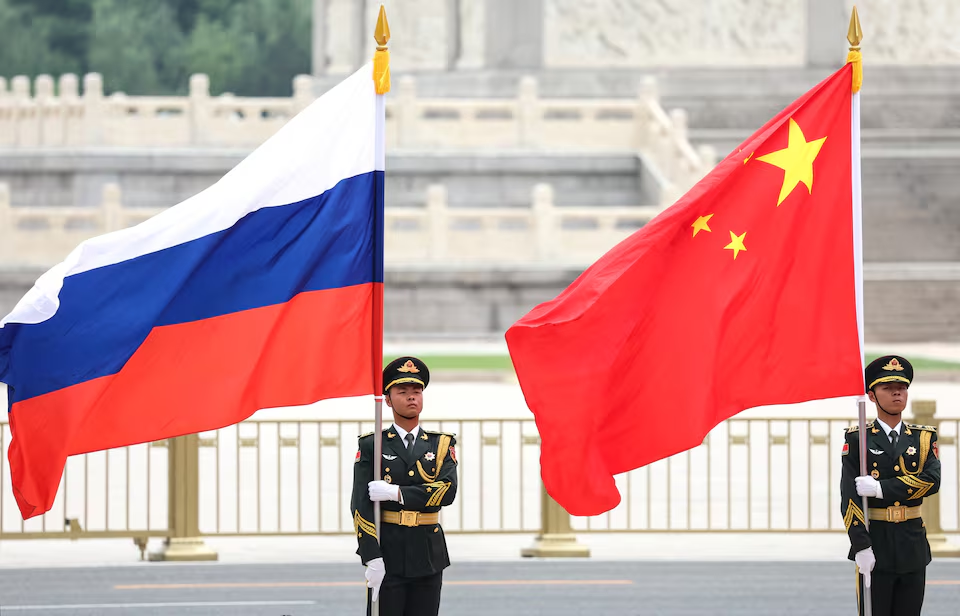
Chinese President Xi Jinping hosted Russian President Vladimir Putin in Beijing with full state honours, including a ceremonial guard of honour and tightly choreographed diplomatic displays. The meeting came shortly after a high-profile visit by U.S. President Donald Trump to China, adding to the geopolitical significance of the timing.
Beyond the symbolism, the summit reinforced a growing strategic alignment between Beijing and Moscow, with both leaders presenting a united front against what they described as “unilateral bullying” in global affairs — a clear reference to Western influence, particularly that of Washington.
While public statements emphasized friendship and cooperation, the underlying agenda reflects a calculated exchange of mutual interests that has deepened since Russia’s isolation following the Ukraine conflict.
Shared Opposition to Western Pressure
At the core of the partnership is a shared geopolitical objective: resisting Western-led economic and political pressure.
Both Xi and Putin used the summit to criticize what they view as an unfair international order dominated by the United States and its allies. Their messaging highlighted the need for a “more balanced” global system, with increased influence for emerging powers.
For Moscow, the relationship provides critical economic lifelines amid sanctions and restricted access to Western markets. For Beijing, it strengthens its strategic positioning in a rapidly polarizing world.
Despite differences in economic scale and global influence, both governments see cooperation as a counterweight to Western alliances such as NATO and economic frameworks led by the U.S.
Energy Security Meets Economic Lifeline
One of the most important pillars of the relationship is energy cooperation.
Russia, heavily reliant on energy exports, has redirected significant oil and gas flows toward China after losing access to many European markets. China, the world’s largest energy importer, benefits from discounted and stable supplies that enhance its long-term energy security.
The long-discussed “Power of Siberia 2” pipeline project remains a focal point of negotiations, although no final agreement has been reached. The pipeline would significantly expand Russian gas exports to China, but disagreements over pricing and financing continue to delay progress.
Even without a breakthrough, existing energy deals already form the backbone of bilateral trade, giving Russia a crucial economic buffer while securing China’s industrial demand.
Economic and Strategic Exchange of Interests
The China–Russia relationship is increasingly shaped by a pragmatic exchange of needs.
Russia gains access to Chinese markets, technology, and financial systems that help it withstand Western sanctions. China, in return, benefits from discounted raw materials, energy imports, and a strategically aligned partner that reduces pressure from the West.
This cooperation also extends into military coordination, joint exercises, and diplomatic alignment in international forums such as the United Nations.
However, the relationship is not without limits. China remains cautious about becoming too dependent on Russia, while Moscow is wary of becoming overly economically reliant on Beijing.
Symbolism and Global Power Messaging
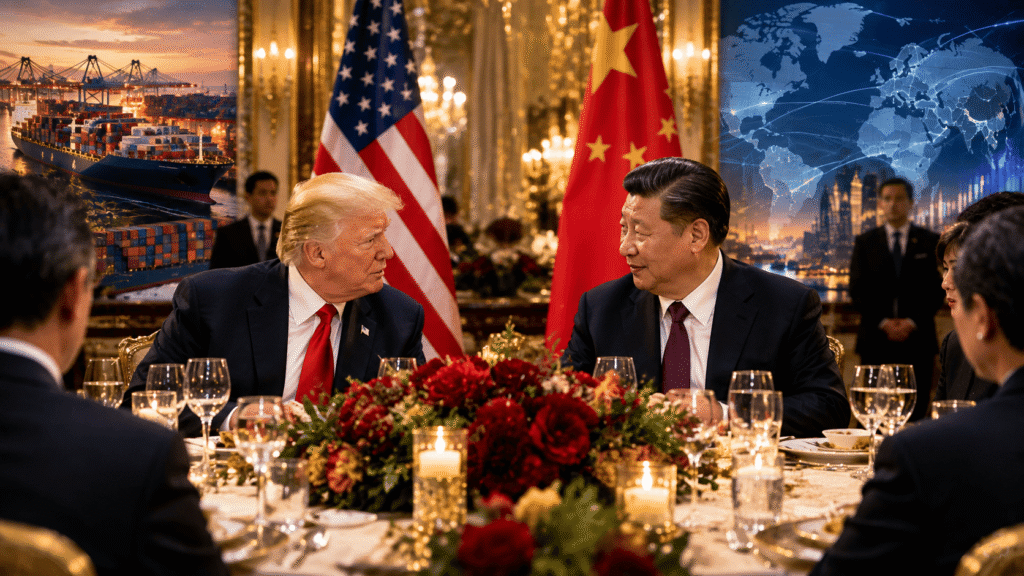
The optics of the Beijing summit were carefully crafted. Military salutes, formal banquets, and public displays of camaraderie were designed to signal strength and unity.
Analysts say the messaging was directed not only at domestic audiences but also at global powers observing shifting alliances. The timing — following Trump’s visit to China — added an additional layer of diplomatic signaling.
While both leaders avoided direct confrontation with the United States, their rhetoric reflected a shared desire to reshape global governance structures in ways that reduce Western dominance.
A Partnership Built on Pragmatism, Not Alliance
Despite growing cooperation, the China–Russia relationship is not a formal military alliance. Instead, it is a pragmatic partnership built on overlapping interests rather than ideological unity.
Both sides continue to pursue independent foreign policies and maintain flexibility in their global relationships. China, in particular, has carefully avoided being drawn directly into Russia’s military conflicts.
Still, the trajectory of the relationship suggests deeper coordination in energy, trade, diplomacy, and security matters — especially as global tensions intensify.
A Relationship the World Is Watching Closely
The Beijing summit underscores a broader shift in global geopolitics: the emergence of a more fragmented international order where major powers are forming flexible, interest-based alignments.
As Xi and Putin continue to strengthen ties, the partnership between China and Russia is likely to remain a key factor in shaping global economic flows, energy security, and strategic competition with the West.
For now, the message from Beijing was clear — both nations intend to work more closely together, and the world is paying close attention.