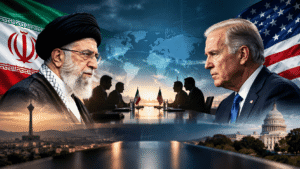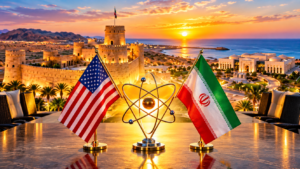

Switzerland just confirmed it. Friday’s negotiations between the US and Iran won’t happen. The Burgenstock talks, meant to turn this week’s ceasefire into something permanent, fell apart before either delegation showed up.
Swiss officials said they’re still ready to host the talks whenever both sides want to proceed. They didn’t give a new date.
The cancellation came right after Vice President JD Vance scrapped his trip to Switzerland. A White House spokesperson called the logistics “never simple or predictable” but offered nothing more specific.
Neither government called this a collapse. But four months into a war that just paused, it shows how far apart Washington and Tehran still are.
What Was Supposed to Happen at Burgenstock
The talks were meant to tackle the hard parts: Iran’s nuclear program, sanctions relief, regional security, and the economic terms baked into this week’s 14-point interim agreement.
Iran had said it was ready to start right away. Then Iranian state media reported a shift: Tehran wanted proof that Washington was actually following through before sending negotiators anywhere. Tasnim, Iran’s semi-official news agency, reported officials want to see sanctions relief and other economic measures materialize first, not just get promised.
That hesitation isn’t new. The US and Iran have distrusted each other since the 1979 revolution, and nothing about this ceasefire has erased that.
A War That Killed Thousands

The fighting started February 28, when the US and Israel hit Iranian targets together. What looked like a contained strike turned into a regional war within days.
Estimates put the death toll above 7,000, most of it in Iran and Lebanon. Oil prices spiked. Inflation fears resurfaced in major economies. Countries that depend on imported fuel and food started worrying about supply.
This week’s ceasefire was supposed to stop the bleeding, economically and otherwise. The canceled talks suggest that stopping the war was the easy part.
Israel Isn’t at the Table, and That’s a Problem
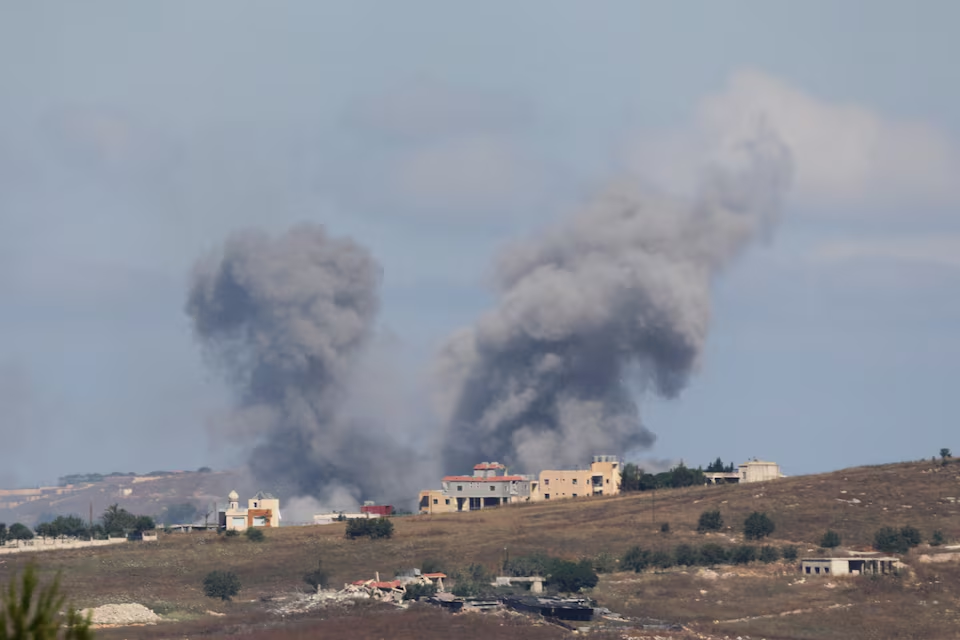
Israel wasn’t part of the US-Iran negotiations, and it hasn’t stopped fighting Hezbollah in Lebanon. The interim deal calls for a permanent end to that fighting too, but Israeli officials say they’ll keep striking if they see a threat.
Lebanese state media reported Israeli airstrikes Friday that killed at least 18 people in southern Lebanon. Israel said it hit Hezbollah positions.
That’s the core problem: a ceasefire can’t hold steady if one of the main players in the region is still shooting. Trump has grown openly critical of Netanyahu’s approach in Lebanon. It’s one of the sharpest splits between the two leaders in years.
Republicans Are Asking What Trump Gave Up
Before the war, Trump said the only acceptable ending was Iran’s unconditional surrender. That’s not what happened.
Instead, Iran walked away with sanctions relief, access to tens of billions in frozen assets, and waivers to resume oil exports. Several Republican lawmakers are now asking whether the administration gave up too much to get a ceasefire. Some conservative voices argue Iran came out of this war stronger than expected.
The timing matters. Congressional elections are coming, and polling shows most Americans want the war over, but they’re split on whether these terms are the right ones.
Khamenei: We Won’t Take Orders
Iran’s new Supreme Leader, Mojtaba Khamenei, framed the ceasefire as proof that US military pressure didn’t work. In a televised address, he warned Iran won’t accept demands it sees as excessive.
“If the American side wants to be too demanding, we will not accept it,” he said.
Iran’s Supreme National Security Council backed that up, warning it would respond firmly to any US violations and calling Washington an untrustworthy partner. None of that suggests the next round of talks, whenever it happens, will go smoothly.
The Nuclear Question Is Still Open
This is the part that started the war and still hasn’t been settled. Trump said preventing an Iranian nuclear weapon was his main goal back in February. Months of fighting later, that goal hasn’t been reached.
Iran has reaffirmed it doesn’t want nuclear weapons and agreed to let the International Atomic Energy Agency inspect its sites. It also agreed to dilute its stockpile of highly enriched uranium under international watch. But Tehran refused to send that material out of the country, which the US wanted.
American officials claim a final deal could still be tougher on Iran than the 2015 nuclear agreement. Critics say the opposite: that Iran is negotiating from a stronger position than before the war started.
$300 Billion on the Table

The ceasefire sets up a $300 billion reconstruction fund for areas damaged in the war, plus other economic incentives meant to keep things stable.
Markets liked the deal at first. Oil prices dropped on expectations that the Strait of Hormuz, which handles close to a fifth of the world’s oil and gas exports, would reopen for shipping.
But Iran says it plans to keep a hand in overseeing traffic through that strait, working alongside Oman. It’s also floated the idea of charging service fees to commercial vessels once the current negotiation window closes.
The ceasefire is still standing. But the canceled talks are a reminder that ending a war is one thing, and settling it is another.
Sixty days were supposed to be enough to turn a fragile truce into something lasting. Nuclear restrictions, missile programs, sanctions, regional security, and Iran’s ties to armed groups across the Middle East are all still unresolved.
Whether either side moves past decades of mutual suspicion, while managing pressure at home, will decide if that timeline holds. The shooting may have stopped. The harder fight, over what comes next, is just getting started.