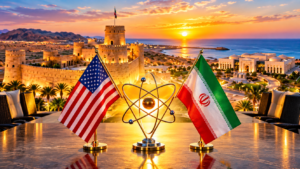

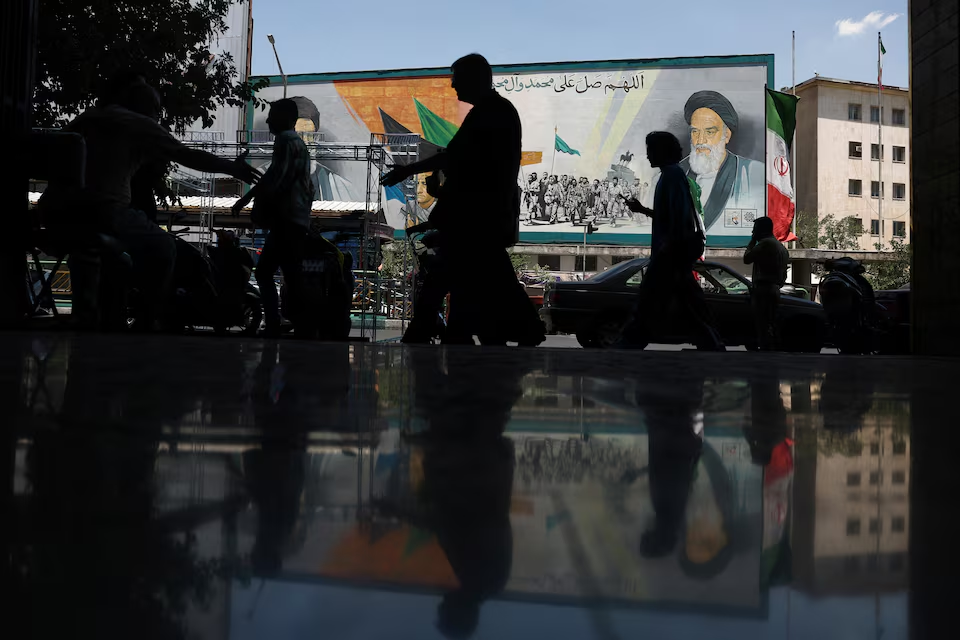
President Donald Trump’s administration has achieved what only days ago appeared unlikely: a preliminary agreement with Iran aimed at ending a costly conflict, reopening the Strait of Hormuz, and launching negotiations toward a broader diplomatic settlement.
The announcement has already delivered an immediate boost to global financial markets, easing fears of a prolonged regional war that threatened energy supplies, shipping routes, and economic stability.
Yet even as the White House celebrates a diplomatic breakthrough, the agreement is generating fresh political challenges for Trump at home and abroad.
Conservative critics are questioning whether Washington gave away too much. Allies, particularly Israel, are openly uneasy about the direction of negotiations. And perhaps most importantly, significant portions of the agreement remain unresolved, raising concerns that the current ceasefire could ultimately prove temporary.
For Trump, the deal offers a pathway out of a conflict that was becoming increasingly unpopular with American voters. But it also creates new political vulnerabilities just months before a critical midterm election cycle.
Republican Divisions Re-Emerge Over Foreign Policy
The agreement has quickly exposed long-standing divisions within the Republican Party over how the United States should engage with adversaries abroad.
Within hours of the announcement, several conservative commentators and foreign policy hawks began criticizing the administration’s approach, arguing that Washington may have abandoned leverage gained during the conflict.
Some critics described the agreement as a strategic retreat, while others demanded that the White House release the full text of the accord so lawmakers and the public can evaluate its terms.
Among the concerns raised by conservatives is whether Iran will ultimately gain access to frozen financial assets or secure sanctions relief without making sufficient concessions regarding its nuclear program.
Senator Lindsey Graham, one of Trump’s longtime allies and a strong supporter of military pressure against Tehran, expressed concern that Iranian and American descriptions of the agreement appeared to differ in important ways.
Those comments highlight a broader challenge for Trump: maintaining unity among Republicans who have increasingly split between interventionist and isolationist wings.
Vice President JD Vance, who has often advocated a more restrained foreign policy, defended the agreement and argued that any economic benefits for Tehran would be tied to strict compliance benchmarks.
Still, the debate threatens to reopen ideological battles that have repeatedly surfaced within the Republican Party over the last decade.
With congressional elections approaching, party strategists worry that visible disagreements over national security could create an image of internal division.
Relief at the Pump May Not Arrive Quickly Enough
One of the administration’s strongest arguments for pursuing the agreement is its potential economic impact.
The reopening of the Strait of Hormuz, through which roughly one-fifth of global oil supplies pass, is expected to reduce pressure on energy markets and eventually lower fuel prices.
However, energy analysts caution that any benefits for consumers are unlikely to be immediate.
Although shipping traffic is expected to resume after the agreement is formally signed, restoring normal oil flows could take weeks or even months.
Infrastructure repairs, increased production schedules, and logistical adjustments throughout the Gulf region may slow the recovery process.
As a result, American motorists may continue to face elevated fuel prices for some time.
That delay could limit the political benefit Trump hoped to gain from the agreement.
Economic concerns remain one of the most important issues for American voters, and recent polling suggests many remain dissatisfied with the administration’s handling of cost-of-living pressures.
Even if oil markets stabilize, the timing may not be favorable enough to significantly improve public sentiment before the midterms.
Comparisons to Obama’s Iran Agreement Are Unavoidable
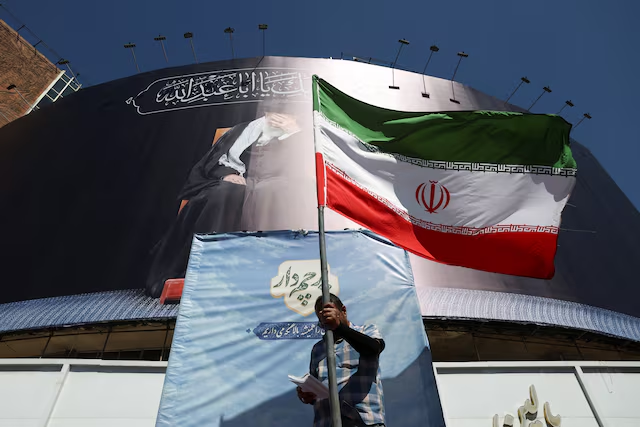
The new agreement also places Trump in an unusual political position.
For years, one of his most consistent foreign policy arguments was that the Joint Comprehensive Plan of Action (JCPOA), negotiated under former President Barack Obama, represented a flawed and overly generous approach toward Iran.
Trump frequently criticized the Obama-era deal, arguing that it provided economic benefits to Tehran without adequately addressing long-term security concerns.
Now, as his administration enters direct negotiations with Iran over many of the same issues, comparisons are inevitable.
Democrats are already expected to scrutinize any final agreement and measure it against the accord Trump spent years condemning.
The administration’s challenge will be demonstrating that any future settlement achieves stronger safeguards, stricter verification measures, and more meaningful concessions than previous arrangements.
Advisers close to the president say Trump is acutely aware of that political risk and is determined to ensure that any final deal is viewed as more effective than the JCPOA.
Whether he can successfully make that case remains to be seen.
Israel’s Anger Adds Another Complication
While domestic criticism presents one challenge, tensions with Israel represent another.
Israeli leaders have reacted with growing frustration to the emerging agreement, viewing it as a missed opportunity to further weaken Iran.
Officials in Jerusalem reportedly believe that sustained military pressure had placed Tehran in a vulnerable position and that diplomacy arrived before Israel’s strategic goals were fully achieved.
Prime Minister Benjamin Netanyahu has already signaled that Israel does not consider itself bound by agreements negotiated directly between Washington and Tehran.
The disagreement has widened an increasingly visible gap between the Israeli and American governments.
Recent military operations in Lebanon have further exposed those differences.
Trump has publicly urged restraint while pursuing diplomacy, whereas Israeli officials continue to insist on maintaining operational freedom against Hezbollah and other perceived threats.
Political analysts say Netanyahu will likely face difficulties convincing Israeli voters that the agreement serves Israel’s long-term interests.
Strains Extend Beyond Israel
The conflict has also tested Washington’s relationships with other allies.
European governments were already frustrated by the military escalation and have expressed concerns about being sidelined during negotiations.
Trump’s criticism of NATO partners for not supporting military operations further complicated relations ahead of international summits.
Meanwhile, Gulf states that host significant American military infrastructure have become increasingly aware of the risks associated with regional conflict.
Several countries in the region experienced direct threats from Iranian drones and missiles during the confrontation, reinforcing concerns about becoming caught between larger powers.
Although many Gulf governments support de-escalation, they remain cautious about what a future agreement could mean for regional security balances.
The Hardest Issues Have Been Delayed
Perhaps the biggest uncertainty surrounding the agreement is that it leaves many of the most difficult questions unanswered.
The preliminary framework effectively postpones decisions on several critical issues, including the future of Iran’s nuclear program, the pace of sanctions relief, and the scope of international inspections.
Washington and Tehran have agreed to spend the next 60 days negotiating those matters.
That timeline may sound straightforward, but history suggests otherwise.
The United States and Iran have spent decades locked in disputes over nuclear activities, regional influence, and economic sanctions.
Resolving those differences in just two months would represent an extraordinary diplomatic achievement.
Both sides also appear to have different interpretations of what has already been agreed upon, raising concerns that misunderstandings could derail negotiations before they gain momentum.
Success or Failure Could Shape the Midterms
For Trump, the agreement’s political impact will ultimately depend on what happens next.
If negotiations collapse and fighting resumes, critics will likely argue that the ceasefire merely postponed a larger confrontation.
A return to conflict would almost certainly send energy prices higher again and reignite voter concerns about foreign entanglements.
Public opinion surveys throughout the conflict consistently showed limited enthusiasm for prolonged military involvement.
However, if the administration succeeds in securing a broader agreement that reduces tensions, restrains Iran’s nuclear activities, and stabilizes energy markets, the political benefits could be significant.
Such an outcome would allow Trump to present himself as a leader who achieved through diplomacy what years of confrontation failed to accomplish.
A Fragile Opportunity
For now, the agreement remains a fragile but potentially transformative moment.
The ceasefire has lowered tensions, reassured financial markets, and created a diplomatic opening that many thought impossible only weeks ago.
Yet skepticism remains widespread among lawmakers, allies, and policy experts.
The next 60 days will determine whether this framework evolves into a lasting peace arrangement or becomes another short-lived pause in one of the world’s most enduring geopolitical rivalries.
For Trump, the stakes extend beyond foreign policy. The success or failure of this agreement could influence not only Middle East stability but also the political landscape heading into one of the most consequential election cycles of his presidency.