

Israeli Prime Minister Benjamin Netanyahu entered the conflict with Iran hoping it would become a defining moment of his political career—a campaign that would weaken Tehran, strengthen Israel’s regional position, and reinforce his close alliance with U.S. President Donald Trump.
Instead, the emerging U.S.-Iran agreement has exposed one of the most significant policy disagreements between the two leaders in years, leaving Netanyahu facing mounting challenges both abroad and at home.
As Washington moves toward a diplomatic settlement with Tehran, Israeli officials increasingly fear that their core security concerns are being pushed aside. At the same time, Netanyahu faces a difficult domestic political landscape ahead of elections later this year, with opinion polls showing growing public skepticism about both the war’s outcome and Trump’s reliability as a strategic partner.
The result is an increasingly uncomfortable reality for Israel’s longest-serving prime minister: a peace process he did not want, negotiations he appears unable to influence, and a political narrative that threatens to undermine one of his greatest strengths—his relationship with Washington.
Israeli Frustration Boils Beneath the Surface
Publicly, Israeli leaders have remained measured in their response to the preliminary U.S.-Iran agreement.
Behind closed doors, however, frustration appears to be growing.
According to Israeli officials familiar with internal discussions, many within the country’s political and military establishment view the framework agreement as deeply problematic.
One senior Israeli official described the deal as “terrible for Israel,” arguing that there is little enthusiasm for the arrangement among senior decision-makers.
The concern centers on the belief that the agreement pauses military pressure on Iran without fully addressing the issues that Israel has repeatedly identified as existential threats.
While the United States has emphasized that the next 60 days will be used to negotiate a broader agreement, Israeli officials worry that the process could drag on for months, limiting Israel’s freedom of action while key disputes remain unresolved.
Many in Jerusalem fear that diplomacy could become an open-ended process that leaves Tehran with valuable breathing room.
Trump and Netanyahu’s Relationship Under Strain
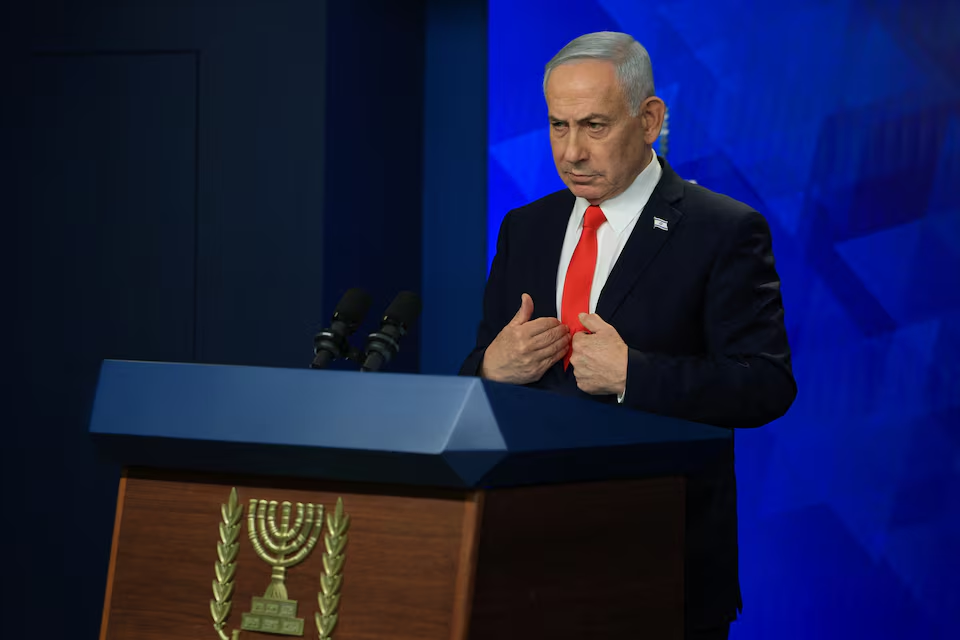
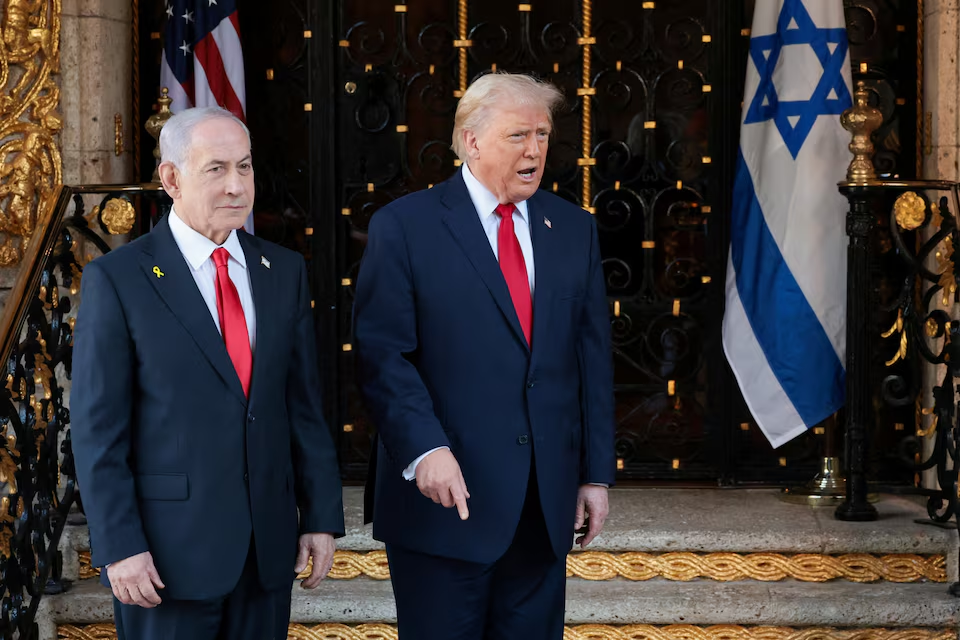
The emerging tensions mark a notable shift in a relationship that has often been portrayed as one of the strongest alliances between an American president and an Israeli prime minister.
For years, Netanyahu highlighted his personal connection with Trump as a major political asset.
During Trump’s first term, Washington delivered a series of landmark policy victories for Israel, including relocating the U.S. embassy to Jerusalem and supporting the Abraham Accords, which normalized relations between Israel and several Arab states.
Trump also withdrew the United States from the Iran nuclear agreement negotiated during the Obama administration—a move long championed by Netanyahu.
But the latest developments suggest the two leaders are no longer fully aligned.
The most visible disagreements have centered on Lebanon and Israel’s military campaign against Hezbollah.
According to reports, Trump has repeatedly urged restraint while pursuing negotiations with Iran, whereas Netanyahu has continued to advocate for aggressive military action against Tehran’s regional allies.
At one point earlier this month, tensions reportedly escalated during a phone conversation in which Trump strongly objected to planned Israeli strikes in Beirut while negotiations were underway.
Although Netanyahu temporarily held back, Israel later resumed operations, triggering renewed regional tensions and prompting criticism from Washington.
Lebanon Remains a Major Point of Disagreement
The future of Lebanon has become one of the most contentious issues separating the two allies.
Iran has consistently pushed for a halt to military operations involving Hezbollah as part of broader efforts to reduce regional hostilities.
The emerging U.S.-Iran agreement reportedly includes provisions aimed at ending military operations across multiple fronts, including Lebanon.
Netanyahu, however, has made clear that Israel has no intention of abandoning its military position there.
Speaking to reporters, he insisted that Israeli forces would remain in southern Lebanon and continue operations whenever necessary to counter threats from Hezbollah.
Israel’s government argues that maintaining a security zone and preserving operational freedom are essential to protecting communities in northern Israel.
For Washington, however, the ceasefire is viewed as a necessary component of a broader diplomatic strategy.
That difference highlights the increasingly divergent priorities between the two governments.
The Nuclear Question Still Unresolved
One of Israel’s biggest concerns is what has been left out of the current framework.
While the agreement focuses on ending military hostilities and reopening the Strait of Hormuz, several of the issues cited by both Washington and Jerusalem as reasons for confronting Iran remain unresolved.
The future of Iran’s nuclear program is expected to be discussed during the upcoming negotiation period, but details remain unclear.
Israeli officials are particularly concerned that the talks do not appear to directly address Iran’s ballistic missile capabilities or its support for armed groups across the Middle East.
Those issues have long been viewed by Israel as central to regional security.
Officials fear that if negotiations become prolonged or diluted, Tehran could emerge from the process stronger rather than weaker.
Netanyahu’s Election Challenge
The timing of the agreement could hardly be worse for Netanyahu politically.
Israel is heading toward elections this autumn, and current polling suggests the prime minister faces a difficult path to victory.
For years, Netanyahu’s supporters pointed to his close ties with Trump as evidence of his ability to secure strategic advantages for Israel.
Now, critics argue that the U.S.-Iran agreement undermines that narrative.
Political analysts say Netanyahu will struggle to convince voters that the deal serves Israel’s interests, particularly if negotiations continue without producing significant concessions from Tehran.
Jonathan Rynhold, a political scientist at Bar-Ilan University, argues that Netanyahu may find it difficult to sell the agreement to an Israeli public that remains deeply concerned about Iran.
“The best outcome he can hope for is that negotiations fail and events shift back in Israel’s favor,” Rynhold suggested.
Whether that happens remains uncertain.
Public Confidence in Trump Appears to Be Falling
The diplomatic developments are also affecting how Israelis view Trump himself.
A recent survey by the Israel Democracy Institute found a noticeable decline in confidence that Trump prioritizes Israeli security interests.
According to the poll, only 41% of Jewish Israelis now believe their security is a central consideration for Trump, compared with 64% just a few months ago.
The findings suggest that even among a traditionally pro-Trump audience, concerns are emerging about Washington’s willingness to prioritize diplomacy over military pressure.
That shift could have important political consequences for Netanyahu, whose image has long been linked to his ability to manage relations with the United States.
Israel Signals It May Act Alone if Necessary
Despite the diplomatic process, Israeli leaders continue to emphasize that they reserve the right to act independently.
Senior officials have repeatedly stated that Israel does not consider itself bound by agreements negotiated between Washington and Tehran.
Energy Minister Eli Cohen recently reiterated that Israel would take action if it believed Iran was rebuilding its nuclear or missile capabilities.
The message reflects a broader strategy: support the alliance with Washington while preserving the option of unilateral military action if Israeli leaders determine that diplomacy has failed.
A Defining Test for the U.S.-Israel Alliance
As the United States and Iran move toward a formal signing ceremony in Switzerland, the agreement is becoming more than just a diplomatic initiative—it is also emerging as a test of the U.S.-Israel relationship.
For Trump, the deal offers an opportunity to reduce tensions and avoid a prolonged regional conflict.
For Netanyahu, it represents a strategic gamble that could leave Israel constrained while key security concerns remain unresolved.
Whether the agreement ultimately leads to lasting peace or renewed confrontation will depend largely on what happens during the next phase of negotiations.
For now, however, the gap between Washington and Jerusalem appears wider than it has been in years, creating fresh uncertainty about the future of one of the world’s most important alliances.