

Japan is preparing to send a delegation to Greenland this summer to explore the island’s vast rare earth mineral potential, highlighting the growing global race to secure the resources needed for the technologies of tomorrow.
The planned mission, reported by Japanese media, will bring together officials from Japan’s Ministry of Economy, Trade and Industry, representatives from major trading firms, and experts from the Japan Organization for Metals and Energy Security (JOGMEC). During the visit, the delegation is expected to meet with Greenlandic officials and assess opportunities for future mining and resource development.
While the trip may appear to be a routine economic mission, it reflects a much bigger trend: countries around the world are scrambling to secure reliable supplies of critical minerals that are increasingly viewed as essential to economic growth, energy security, and technological competitiveness.
Why Rare Earth Minerals Have Become So Valuable
Rare earth elements play a crucial role in modern life, even though most people rarely hear about them.
These minerals are used in everything from smartphones and electric vehicles to wind turbines, advanced batteries, computer chips, and military equipment. As countries accelerate the transition toward clean energy and high-tech manufacturing, demand for rare earth materials has skyrocketed.
The challenge is that while these minerals exist in many parts of the world, extracting and processing them is expensive and technically difficult. As a result, much of the global supply chain remains concentrated in a small number of countries, particularly China.
For Japan, which relies heavily on imported raw materials to support its manufacturing industries, finding alternative sources has become increasingly important.
The country is home to some of the world’s leading technology and automotive companies, making access to critical minerals a matter of long-term economic security.
Greenland’s Resources Draw Growing International Attention
Greenland has quietly become one of the most talked-about locations in the global resource sector.
Although the Arctic island is home to fewer than 60,000 residents, it sits on what many geologists believe are significant deposits of rare earth elements and other valuable minerals.
In addition to rare earths, Greenland is believed to possess substantial reserves of zinc, iron ore, uranium, and other strategic resources that could become increasingly valuable in the decades ahead.
As climate change reduces Arctic ice coverage and improves access to previously remote areas, interest in Greenland’s natural wealth has intensified.
Mining companies, investors, and governments are paying closer attention to opportunities that were once considered too difficult or expensive to pursue.
For Japan, Greenland represents a potential long-term partner in its effort to diversify supply chains and reduce dependence on traditional sources of critical minerals.
More Than Just Minerals
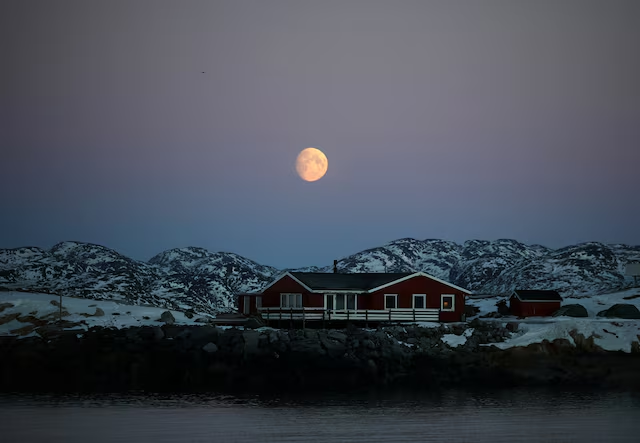
Greenland’s importance extends well beyond what lies beneath its surface.
The island occupies a strategically significant position between North America and Europe, making it increasingly important in global discussions about security, trade routes, and Arctic influence.
That strategic value became a major topic of international conversation earlier this year when reports emerged that U.S. President Donald Trump was exploring ways to increase American influence over Greenland.
The discussions triggered concern among several European allies and renewed focus on the island’s geopolitical significance. Although those conversations eventually shifted toward diplomacy and cooperation, they highlighted how Greenland has become a key piece in broader international strategic calculations.
Today, many countries view the Arctic not only as a source of natural resources but also as an increasingly important region for future economic and geopolitical competition.
Japan’s Long-Term Strategy
Japan’s interest in Greenland is part of a larger effort to strengthen resource security in an increasingly uncertain world.
For years, Tokyo has worked to diversify its supply chains by investing in mining projects and resource partnerships across multiple continents. The goal is straightforward: reduce the risk of supply disruptions and ensure Japanese industries have access to the materials they need.
The Greenland mission fits neatly into that strategy.
Officials are expected to evaluate not only the size and quality of mineral deposits but also the practical realities of developing mining projects in one of the world’s most challenging environments.
The visit could lay the groundwork for future partnerships, investments, and long-term agreements between Japanese companies and Greenlandic authorities.
While no major deals are expected immediately, such missions often serve as the first step toward larger commercial relationships.
Opportunities Come With Challenges
Despite the excitement surrounding Greenland’s mineral potential, significant obstacles remain.
Mining in the Arctic is far more complex than operating in many other parts of the world. Harsh weather conditions, limited infrastructure, high transportation costs, and environmental concerns can all slow development.
Greenland’s government faces the challenge of balancing economic opportunities with environmental protection and community interests. Many residents support responsible resource development, but there is also strong concern about preserving the island’s fragile Arctic ecosystem.
Any future mining projects will likely face rigorous environmental reviews and extensive public scrutiny before receiving approval.
For investors, the potential rewards are substantial, but so are the risks.
A Global Race for Resources
Japan’s planned visit to Greenland is just one example of a much larger global competition unfolding behind the scenes.
As countries invest billions of dollars in clean energy, electric vehicles, artificial intelligence, and advanced manufacturing, access to critical minerals is becoming as strategically important as access to oil was in previous decades.
Governments increasingly view these resources not simply as commodities but as assets tied directly to national security and economic resilience.
That shift is transforming places like Greenland into key players in the future global economy.
Greenland’s Moment on the World Stage
For much of modern history, Greenland was often viewed as a remote Arctic territory largely isolated from global affairs.
Today, that perception is changing rapidly.
Its rich mineral deposits, strategic location, and growing geopolitical significance have placed the island firmly on the radar of governments and investors around the world.
As Japan prepares to send its delegation north this summer, the visit serves as another reminder that Greenland is no longer on the sidelines of global economic competition. Instead, it is becoming one of the most closely watched regions in the race to secure the resources that will power the industries of the future.