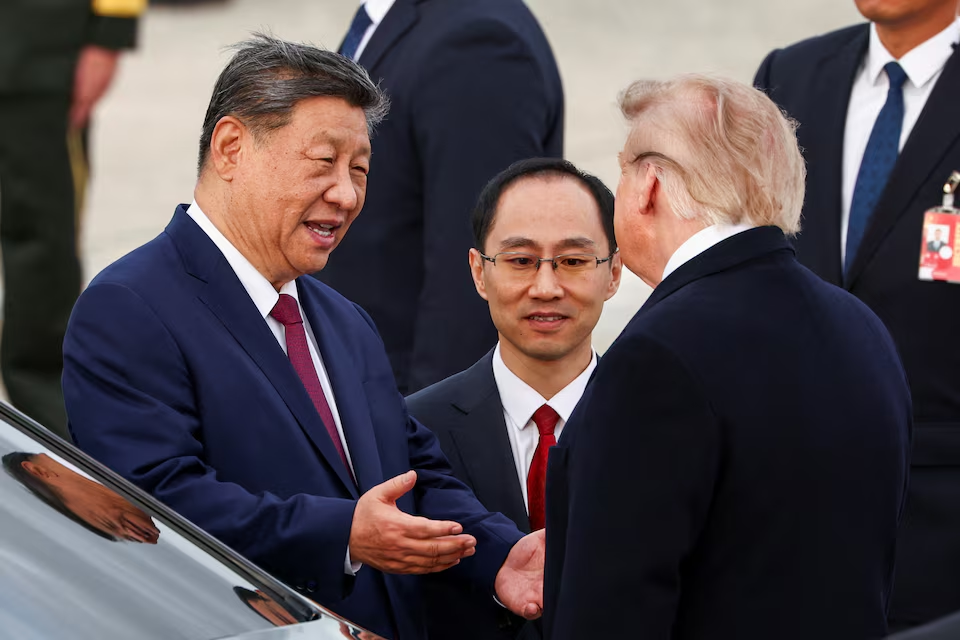

Syria’s foreign minister said Thursday during a visit to Beirut that Damascus is open to meeting with the Iran-backed Lebanese group Hezbollah “if interests require it,” according to Lebanon’s state news agency.
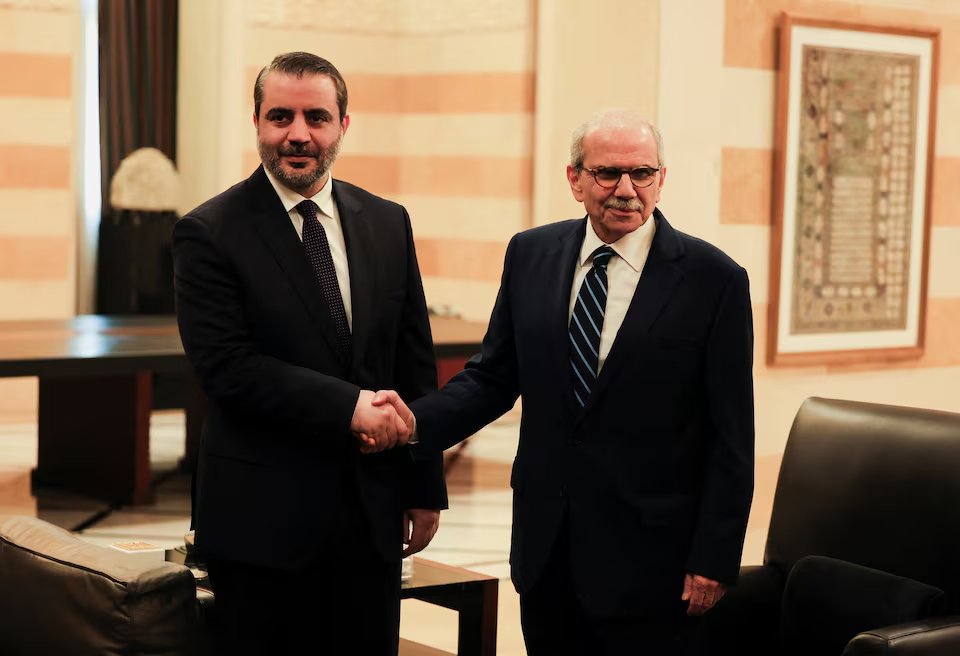
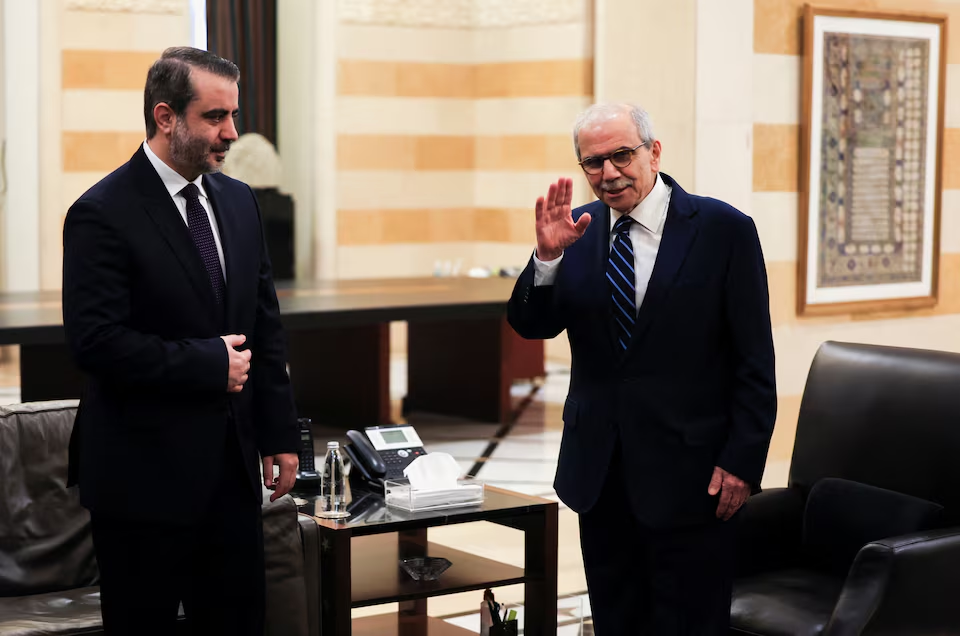
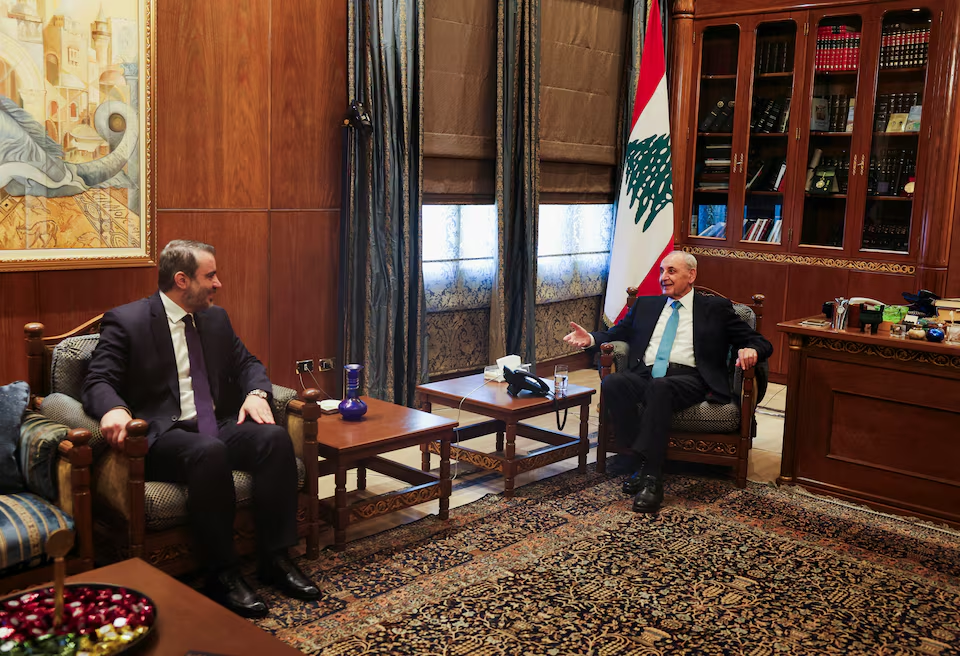
Asaad al-Shibani met with Lebanese leaders including President Joseph Aoun and parliament speaker Nabih Berri, a Hezbollah ally, marking his first visit to Lebanon since U.S. President Donald Trump raised the idea of Syrian forces confronting Hezbollah inside Lebanon. Syrian President Ahmed al-Sharaa had previously dismissed what he called rumors about any Syrian military presence entering the country.
The former rebels and commanders who now run Syria spent years fighting Hezbollah, which deployed its own fighters inside Syria to prop up former President Bashar al-Assad. Now that they hold power in Damascus, those same leaders have to weigh alliances and military moves carefully as they try to keep Syria stable while it continues recovering from 14 years of civil war.
Aoun’s office said Sharaa assured him that Syria would not take sides in Lebanon’s internal affairs.
syria’s shifting regional position
Syria’s new government, led by former al Qaeda commander Sharaa, has emerged as a U.S. ally since his forces toppled Assad in 2024. Damascus has largely stayed out of the broader regional war between the U.S. and Israel on one side and Iran on the other, choosing a more cautious posture as it rebuilds.
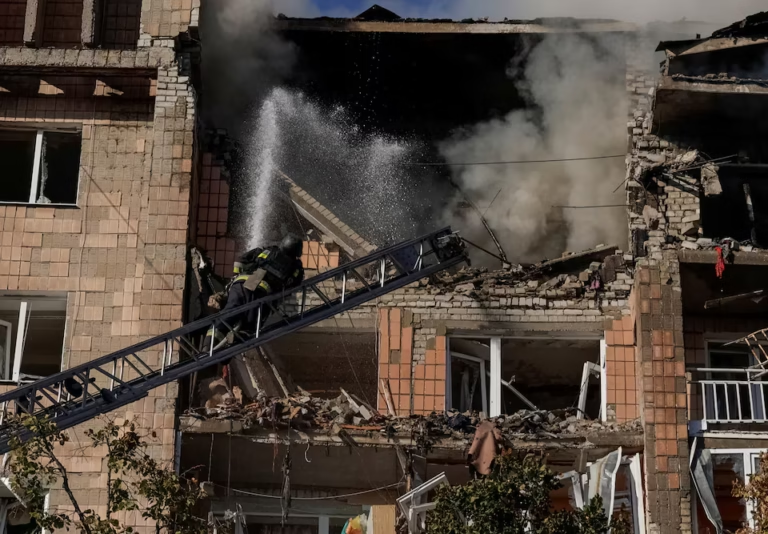
Hezbollah’s war with Israel has devastated large parts of southern Lebanon. U.S.-backed diplomatic efforts have produced a lull in the fighting, but they’ve stopped short of ending the conflict outright. Israeli forces carried out a large explosion targeting several houses in the southern Lebanese town of Hadatha on Thursday, according to state news agency NNA, a reminder that the underlying conflict remains active even amid the lull.
Shibani said the “Hezbollah file” did not come up directly in his meetings with Lebanese officials, but he told NNA that Syria remains open to meeting with the group if circumstances call for it.
trump’s comments on syria and hezbollah
The visit comes after Trump said last month that he had spoken with Sharaa about combating Hezbollah, following criticism he leveled at Israel over civilian casualties in Lebanon. “I suggested to Israel to let Syria take care of Hezbollah, because to be honest with you, I think they do a better job of doing it,” Trump said at the time.
Sharaa has since pushed back on the idea that Syria plans any move into Lebanon. “The rumours circulating about Syria entering Lebanon are completely unfounded,” he said, according to Syrian state media.
cooperation agreement signed
Shibani said Lebanon and Syria signed an agreement during his visit establishing a high-level committee to strengthen ties between the two countries. “All we bring to Lebanon is love and a commitment to overcoming the painful legacy in relations between the two countries,” he said at a press conference following his meetings with Lebanese officials.
Reuters reported in March that the United States had encouraged Syria to consider sending forces into eastern Lebanon to help disarm Hezbollah, though Damascus showed reluctance at the time. Trump’s Syria envoy, Tom Barrack, later called that report “false and inaccurate,” pushing back on the idea that such a plan was under serious consideration.
a history shaped by syrian control
Syria’s relationship with Lebanon carries decades of weight behind it. Syria dominated Lebanese politics under the Assad family for years, sending forces into the country in 1976 during Lebanon’s 1975-90 civil war and maintaining control over Lebanese politics well after that war ended, until Syrian troops withdrew in 2005.
That history makes any renewed Syrian military role in Lebanon a sensitive subject on both sides of the border. Analysts and regional observers note that any Syrian intervention, even one framed as targeting Hezbollah specifically, carries the risk of reigniting sectarian tensions in both countries. Lebanon and Syria are each home to a mix of religious and ethnic communities, including Sunni Muslims, Shi’ite Muslims, Christians and Druze, and past conflicts in the region have often taken on sectarian dimensions once outside military forces became involved.
For now, Shibani’s visit appears aimed more at rebuilding a formal diplomatic relationship between Damascus and Beirut than at signaling any imminent military move. The new cooperation committee gives the two governments a structured channel for addressing disputes and coordinating policy, something that had been largely absent since Assad’s fall in 2024 scrambled the region’s alliances.
Aoun’s assurance from Sharaa that Syria won’t take sides in Lebanon’s internal politics suggests Damascus wants to avoid being pulled directly into Lebanon’s fractured domestic landscape, where Hezbollah remains a powerful political and military force despite the toll of its war with Israel. At the same time, Shibani’s comment that Syria is open to meeting Hezbollah “if interests require it” leaves the door open for direct contact between Damascus and a group Syria’s current leadership fought against for years under different circumstances.
That combination, a formal cooperation agreement with the Lebanese state alongside a conditional openness to engaging Hezbollah directly, reflects the balancing act Syria’s post-Assad government is trying to manage. Damascus wants closer ties with its neighbor and continued good standing with Washington, without getting drawn into a war on Lebanese soil that could destabilize its own fragile recovery.
Trump’s suggestion that Syrian forces might take on Hezbollah directly puts additional pressure on that balancing act. Sharaa’s public denials suggest his government wants to avoid being seen as executing an American plan against a group with deep roots in Lebanese politics and society, even as Washington continues to view Damascus as a potential partner in containing Hezbollah’s influence in the region.