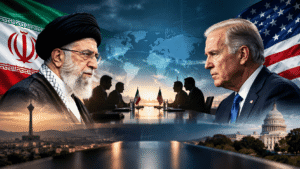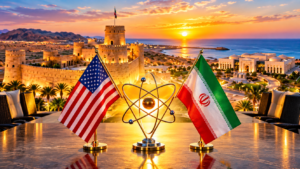

The United States and Iran released the text of a temporary agreement on Wednesday aimed at ending their ongoing conflict. The deal was signed by both President Donald Trump and Iranian President Masoud Pezeshkian, according to officials from both sides.
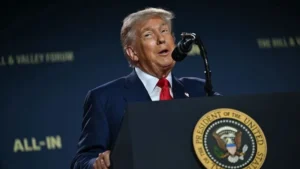
Trump used the announcement to warn that the United States could restart military action if Iran fails to follow the terms. He also shifted his tone on Iran’s missile program, saying it would be unfair to expect Iran to have no ballistic missiles, a change from earlier statements where he promised to destroy their missile capabilities.
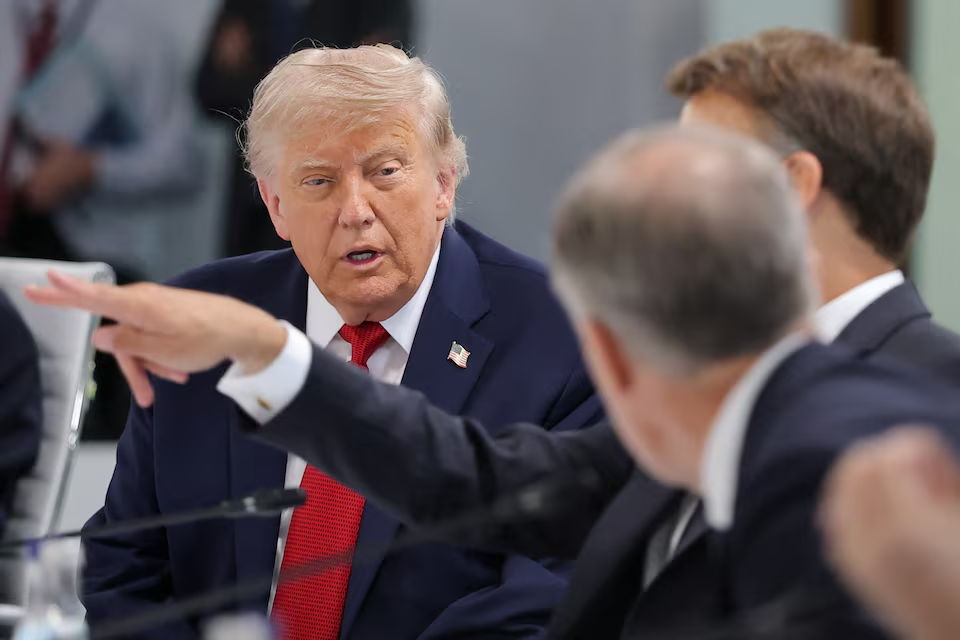
Speaking at a press briefing during the G7 summit in France, Trump said the deal gives Iran a clear choice. “We’re going to act if they break it,” he said. “If they follow it, there is a path to peace and lower oil prices.”
Earlier in the day, he told reporters that military action remains an option if the agreement collapses. “If they don’t behave, we go back to strikes,” he said.
What the Interim Agreement Covers
The 14 point memorandum extends the ceasefire first announced in April by another 60 days. It also covers wider regional tensions, including Lebanon, where fighting between Israel and Hezbollah has continued for months.
Key points of the agreement include:
- Extension of the ceasefire for 60 more days
- Full reopening of the Strait of Hormuz for shipping
- End of the U.S. blockade on Iranian ports
- Lifting of certain U.S. sanctions tied to compliance
- Release of frozen Iranian assets
- Creation of a post war reconstruction fund estimated at $300 billion
Officials said the agreement takes effect immediately, even though a formal signing ceremony in Switzerland was initially expected later this week. Iran’s foreign ministry later said no additional ceremony would take place because both leaders had already signed digitally.
Strait of Hormuz to Reopen Under Supervision
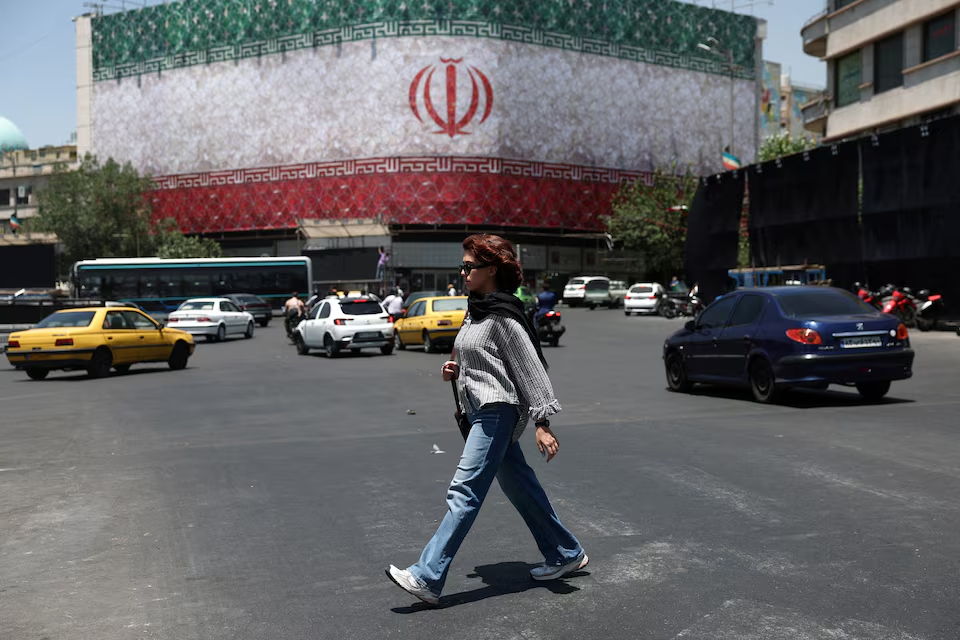
The Strait of Hormuz, which carries about 20 percent of global oil and gas shipments, will reopen under the deal. The route had been disrupted after earlier strikes involving the U.S. and Israel in February.
The United States said shipping will resume without transit fees for at least 60 days. Iran, however, says it will still play a role in managing movement through the waterway alongside regional partners.
Iranian state media reported that steps are already underway to restore maritime traffic, but ships will still need to coordinate with Iran’s Revolutionary Guard forces.
Oil markets reacted quickly. Brent crude fell below 80 dollars per barrel on Wednesday, the lowest level since the conflict began, before recovering slightly after Trump’s warning about possible renewed strikes.
Nuclear Commitments and Uranium Controls
Iran has agreed again that it will not develop nuclear weapons. This has been part of its public position for years, but the United States says it wants stronger enforcement this time.
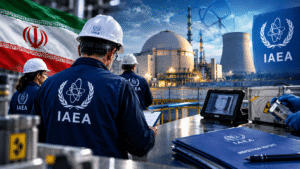
Under the agreement, Iran will keep its enriched uranium inside the country but will reduce its concentration levels under monitoring by the International Atomic Energy Agency. The U.S. had pushed for removal of the stockpile, but Iranian officials rejected that demand.
Trump said inspectors will have access to monitor nuclear activity, though specific inspection rules were not detailed in the public text.
Mixed Results for Both Sides
Even with the agreement, several major issues remain unresolved.
Iran’s government structure remains unchanged. Its missile program continues to operate. Its support for groups such as Hezbollah in Lebanon has not been cut off under the current deal.
On the other side, Iran is closer to getting sanctions relief and access to frozen funds. U.S. officials estimate that Iranian assets worth billions of dollars could be released if compliance conditions are met.
Trump has also reduced earlier demands. He previously said Iran’s missile program should be destroyed. On Wednesday, he said it would be unfair to deny Iran access to missiles if other countries have them.
Political Reaction and Global Response
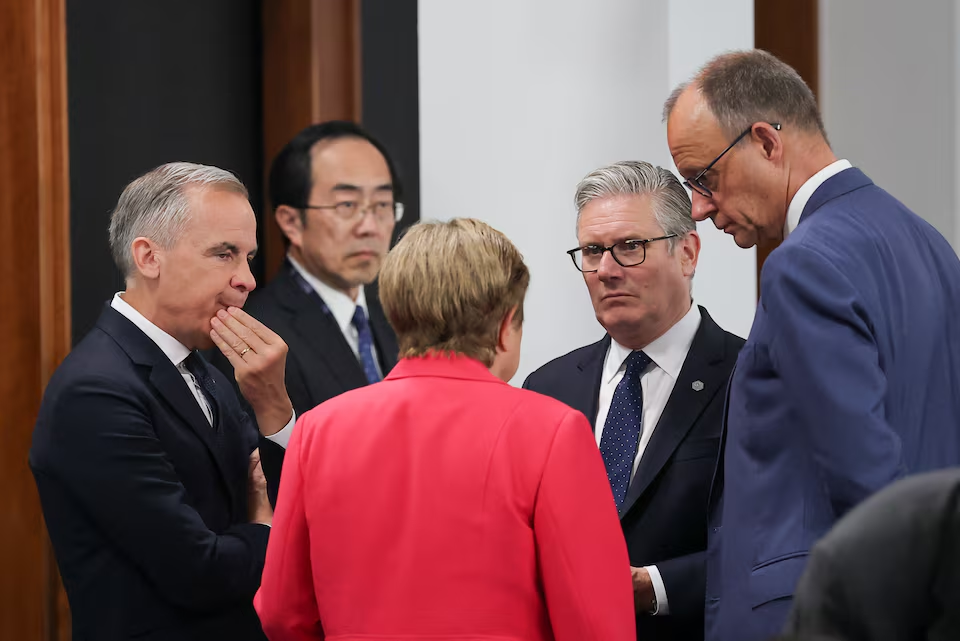
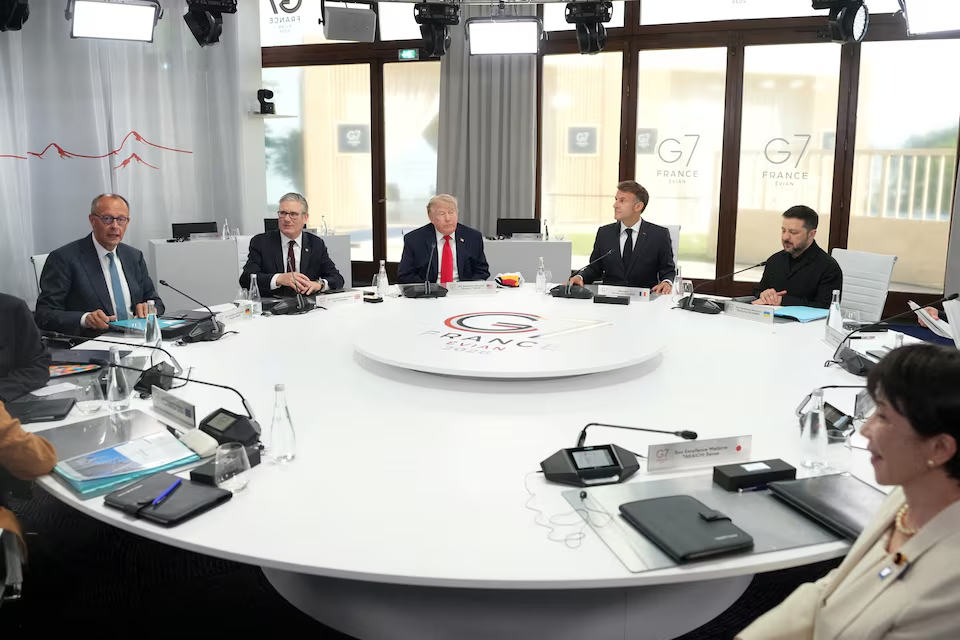
At the G7 summit in France, leaders from the U.S., UK, France, Germany, Japan, Italy and Canada welcomed the agreement. They also called for an immediate ceasefire in Lebanon.
European leaders have supported efforts to reduce nuclear risks but did not back the earlier military campaign launched without United Nations approval. Several officials privately raised concerns that Iran may now hold stronger negotiating leverage due to its ability to withstand military pressure and maintain control over key shipping routes.
Lebanon Remains a Flashpoint
The agreement calls for a halt in hostilities in Lebanon, where fighting between Israel and Hezbollah has killed thousands and displaced more than one million people.
Despite the deal, clashes have not fully stopped. Lebanese officials reported ongoing Israeli airstrikes in the south, while Hezbollah has carried out drone attacks on Israeli positions. Israel said several of its soldiers were injured this week.
Trump also criticized Israeli Prime Minister Benjamin Netanyahu’s approach in Lebanon, saying military operations should be more restrained. Netanyahu has not publicly agreed to the U.S. backed framework and continues to insist Israel will respond to Hezbollah attacks as needed.
Both sides have 60 days to turn the interim agreement into a longer term settlement. Talks will continue over nuclear restrictions, sanctions relief and regional security issues.
U.S. officials say a full agreement will require strict compliance checks. Iranian officials say they expect sanctions to be lifted in phases, not all at once.
If talks fail, both sides have left the door open to renewed military action. For now, the agreement holds, but key disputes remain unresolved and tensions in the region continue.