


A routine skydiving trip ended in catastrophe on Sunday in Missouri when a small aircraft carrying a pilot and 11 skydivers crashed shortly after takeoff, killing all 12 people on board.
The aircraft had departed Butler Memorial Airport around 11:30 a.m. local time, but for reasons still unknown, it made an abrupt turn back toward the airport shortly after climbing into the air. Moments later, it went down near Business 49 Highway, just a short distance from the runway.
Authorities confirmed there were no survivors.
The crash has triggered a major federal investigation as officials work to piece together what went wrong during the early minutes of the flight.
Sudden Turn After Takeoff Raises Early Questions
Preliminary accounts suggest the aircraft did not follow its expected flight path. Instead, shortly after departure, the pilot turned the plane back toward the airport.
That kind of maneuver is often associated with an emergency situation shortly after takeoff, such as engine trouble or a mechanical warning. However, investigators stress that nothing has been confirmed at this stage.
Aviation experts say the first few minutes after takeoff are among the most critical phases of flight, when pilots have limited time and altitude to respond to unexpected issues.
For now, it remains unclear whether the pilot attempted an emergency landing or whether the aircraft lost control before a return was possible.
Uncertainty Over Skydivers’ Final Moments
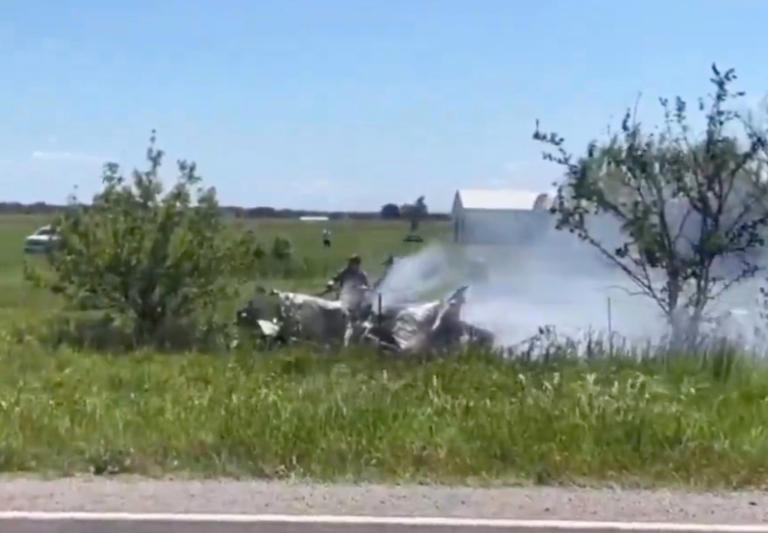
One of the key unanswered questions is whether any of the skydivers were able to exit the aircraft before it crashed.
Skydiving operations typically involve climbing to altitude before jumpers exit in sequence, but it is not yet known how far the aircraft had progressed in its ascent when the emergency began.
Officials have not confirmed whether any parachutes were deployed or whether the jump sequence had started at all.
Authorities are expected to rely on wreckage analysis, witness accounts, and any available flight data to reconstruct what happened inside the aircraft in its final minutes.
The identities of the victims have not yet been released, pending notification of families.
FAA and NTSB Launch Full Investigation
The Federal Aviation Administration (FAA) and the National Transportation Safety Board (NTSB) have taken charge of the investigation.
NTSB investigators arrived at the scene to begin documenting wreckage and collecting evidence, while FAA officials are reviewing the aircraft’s operational history and flight conditions.
Key areas of focus will include the aircraft’s maintenance records, pilot experience, weather conditions at the time of departure, and any potential mechanical or engine failure.
Investigators will also examine whether any distress calls were made or whether communication was established with air traffic control before the crash.
Officials cautioned that determining the cause of the accident will take time, as aviation investigations typically require detailed analysis of physical evidence and technical data.
Highway Closed as Emergency Teams Secure Scene
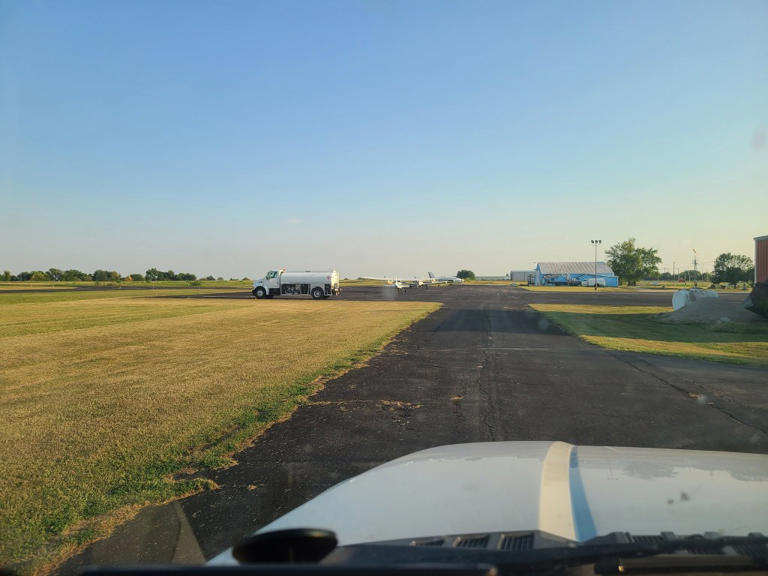
Following the crash, local authorities quickly secured the area near Business 49 Highway, closing all lanes close to the airport as emergency crews worked through the wreckage.
The Bates County Sheriff’s Office said responders focused on both securing the site and assisting federal investigators with recovery operations.
Debris from the aircraft was spread across the crash zone, requiring careful documentation and removal.
Authorities urged the public to avoid the area while investigations continued, noting that the site would remain restricted until all evidence had been collected.
Skydiving Flights Carry Inherent Risks
While skydiving remains a popular recreational activity, flights carrying jumpers involve unique operational demands.
Aircraft often perform repeated climbs and descents in a single day, and operate under tight scheduling conditions. This can place additional strain on both aircraft systems and flight crews.
Despite these challenges, skydiving flights operate safely across the country every day, with serious accidents remaining rare.
However, when incidents do occur, they are often severe due to the number of people onboard and the low altitude at which problems may develop.
Aviation safety experts say only a full investigation will determine whether mechanical failure, human factors, or other issues contributed to Sunday’s crash.
Community in Shock as Families Wait for Answers
News of the crash has sent shockwaves through the local aviation and skydiving communities, where participants often form close-knit networks through shared training and events.
Friends and relatives of those on board are now awaiting official confirmation of identities and cause of death.
Local officials expressed condolences and said support services would be made available to grieving families.
First responders who arrived at the scene described difficult conditions as they worked through the wreckage in the immediate aftermath of the crash.
Investigation Expected to Take Months
Authorities say it is still too early to determine exactly what caused the fatal crash.
The NTSB’s investigation will likely take several months, as experts analyze physical evidence, reconstruct the flight path, and review mechanical systems.
Only after all data is collected and tested will investigators be able to issue preliminary and final findings.
For now, the focus remains on understanding how a routine skydiving flight ended in one of the deadliest aviation accidents in the region in recent years—and preventing similar tragedies in the future.