
Efforts to end the three-month conflict between the United States and Iran suffered a major setback on Saturday after both sides exchanged military strikes in and around the strategically vital Strait of Hormuz, one of the world’s most important energy shipping routes.
The latest escalation began when U.S. forces intercepted and destroyed several Iranian drones that Washington said were threatening commercial maritime traffic in the region. The United States later launched strikes against Iranian coastal surveillance and radar installations, prompting a swift response from Tehran and raising fears that the conflict could spiral further despite ongoing diplomatic efforts.
The renewed hostilities come at a critical moment as mediators continue working to secure an interim agreement that could halt fighting and create space for broader negotiations over Iran’s nuclear programme, sanctions relief, and regional security issues.
U.S. Targets Iranian Radar Sites
According to the U.S. military, American forces detected and shot down four Iranian drones believed to be operating near the Strait of Hormuz.
A U.S. official said intelligence assessments indicated the drones were potentially targeting commercial shipping routes used by international vessels passing through the waterway.
Following the drone interceptions, U.S. Central Command announced strikes on Iranian surveillance infrastructure located in Goruk and on Qeshm Island, both strategically positioned along the Strait of Hormuz.
Military officials argued that the action was necessary to protect maritime navigation and maintain security in one of the world’s busiest energy corridors.
The Strait of Hormuz remains a crucial chokepoint for global oil markets. Before the conflict erupted, nearly one-fifth of the world’s oil shipments moved through the narrow passage connecting the Persian Gulf to international waters.
Any disruption to traffic in the area has immediate implications for global energy prices and supply chains.
Iran Condemns U.S. Action
Iranian officials strongly condemned the strikes, accusing Washington of violating the ceasefire framework established in April.
The Iranian Foreign Ministry said the attacks demonstrated that the United States was not genuinely interested in reducing tensions and warned that continued military operations would carry serious consequences.
In a statement, Tehran argued that repeated violations of understandings reached between the two countries had undermined confidence in diplomatic efforts and increased the risk of a broader regional confrontation.
Iran’s Revolutionary Guard Corps later announced retaliatory operations targeting U.S. military assets in the Gulf.
According to Iranian officials, missile strikes were launched toward American military facilities in Kuwait and Bahrain. Tehran also claimed responsibility for attacks against commercial tankers attempting to transit the Strait of Hormuz without Iranian authorization.
Gulf States Caught in the Middle
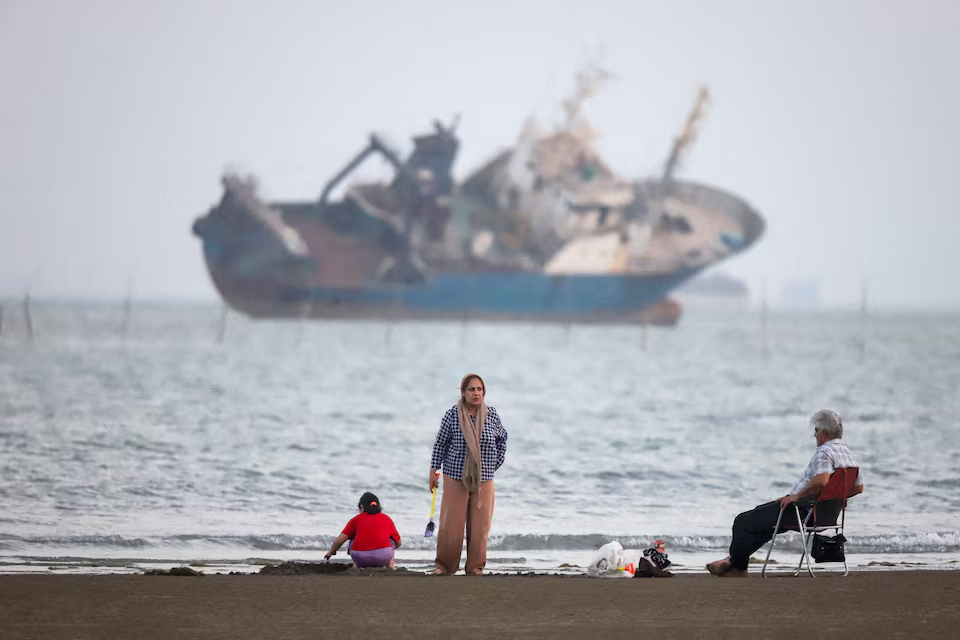
The conflict quickly spread beyond Iran and the United States, drawing Gulf states deeper into the crisis.
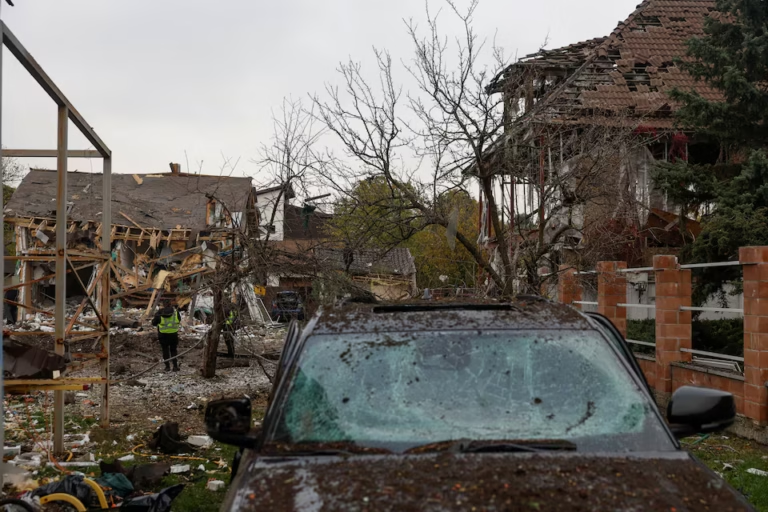
Kuwait confirmed that several ballistic missiles entered its airspace during the early hours of Saturday. Military officials said air defence systems responded to the threat, while debris from intercepted projectiles fell in several areas.
Authorities reported material damage but no fatalities.
Meanwhile, Bahrain activated emergency warning systems and urged residents to seek shelter as missile threats emerged.
Both governments strongly condemned the attacks.
Kuwait described the strikes as a direct threat to regional stability and civilian safety, warning that escalating military action could destabilize the entire Gulf region.
Although Iran claimed its missiles successfully targeted U.S. facilities, American military officials said multiple projectiles were intercepted and that one failed to reach its intended destination.
Diplomatic Efforts Continue Despite Rising Tensions
The latest violence comes as indirect negotiations between Washington and Tehran continue behind the scenes.
Diplomats have spent months attempting to broker an interim arrangement that would halt active fighting while leaving more complicated issues for future negotiations.
Among the key sticking points are Iran’s nuclear programme, sanctions relief, access to frozen financial assets, and control over maritime traffic in the Strait of Hormuz.
Iran has sought access to billions of dollars in oil revenues and the easing of restrictions that have severely impacted its economy.
Tehran also wants the removal of barriers affecting its ports and shipping operations, arguing that economic pressure from sanctions has worsened domestic conditions.
So far, however, neither side has been willing to make enough concessions to secure a lasting breakthrough.
Pakistan Steps Up Mediation Efforts
Amid the deteriorating security situation, Pakistan has intensified its efforts to mediate between the two adversaries.
Iranian state media reported that Pakistani Interior Minister Mohsin Naqvi was traveling to Tehran carrying a message from Islamabad.
Diplomatic sources indicated the visit is part of a broader initiative aimed at preventing further escalation and reviving negotiations.
Pakistan has emerged as one of the few regional actors maintaining active communication channels with both Washington and Tehran.
Analysts believe the latest diplomatic outreach reflects growing concern that continued fighting could destabilize not only the Gulf region but also wider international markets.
Trump Faces Mounting Political Pressure
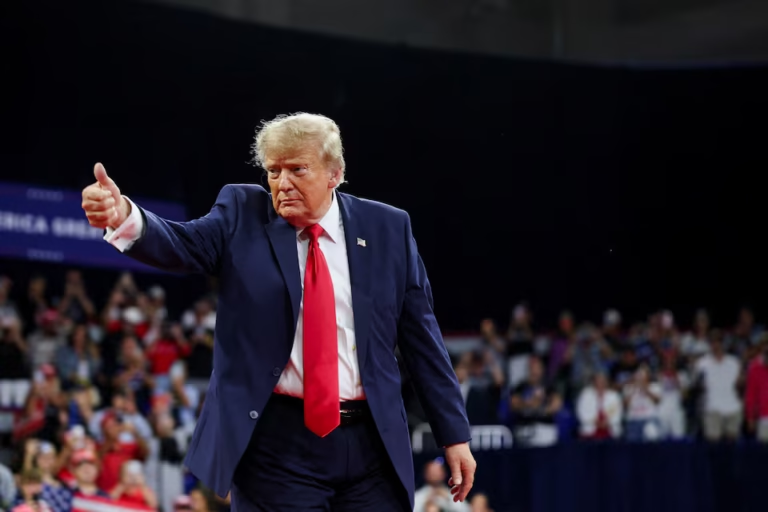
The conflict is also creating challenges for U.S. President Donald Trump at home.
Rising oil prices and growing economic uncertainty have increased pressure on the administration to find a path toward de-escalation.
Speaking in a recent television interview, Trump said U.S. military operations had significantly weakened Iran’s missile and drone production capabilities.
According to the president, Iran retains only a fraction of the arsenal it possessed when the conflict began.
However, Trump acknowledged that Tehran still maintains a substantial missile stockpile capable of inflicting damage across the region.
Despite the military pressure, the president suggested Iran’s leadership remains reluctant to compromise quickly.
“They’re proud and they’re strong,” Trump said. “There are things they never imagined they would have to do, but it takes time.”
His comments highlight the difficult balance facing Washington: maintaining military pressure while simultaneously pursuing negotiations.
Economic Fallout Deepens
The conflict continues to send shockwaves through global markets.
Shipping disruptions in the Strait of Hormuz have contributed to higher energy prices, increasing transportation and manufacturing costs worldwide.
International aid agencies have warned that rising fuel costs are worsening humanitarian conditions in vulnerable regions.
The United Nations World Food Programme recently cautioned that supply chain disruptions and increased transportation expenses are pushing millions closer to food insecurity.
Economic analysts warn that prolonged instability could further strain global trade at a time when many economies are already facing inflationary pressures.
Fighting Expands Beyond Iran
Complicating matters further, tensions continue to flare elsewhere in the Middle East.
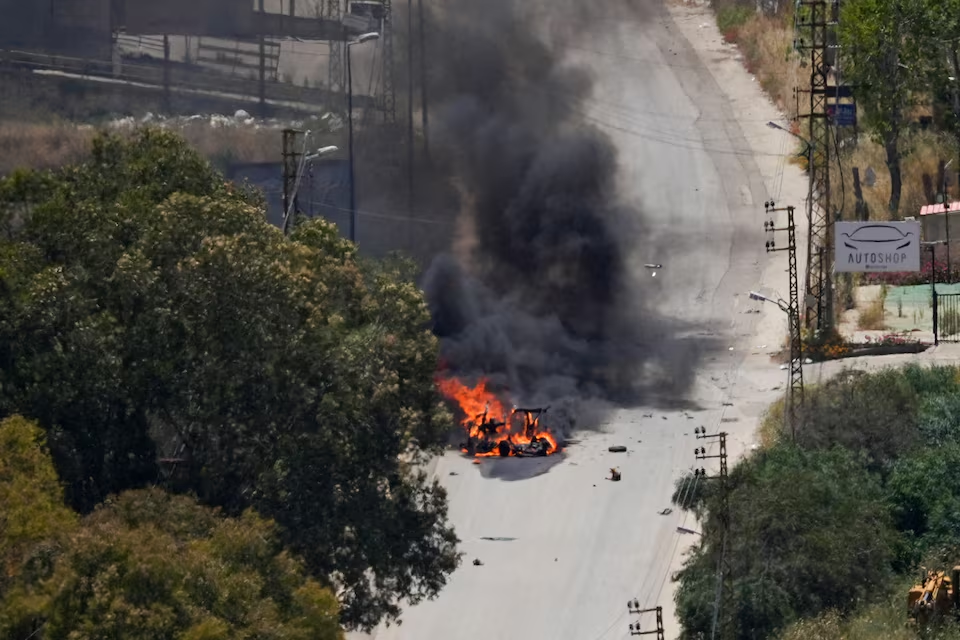
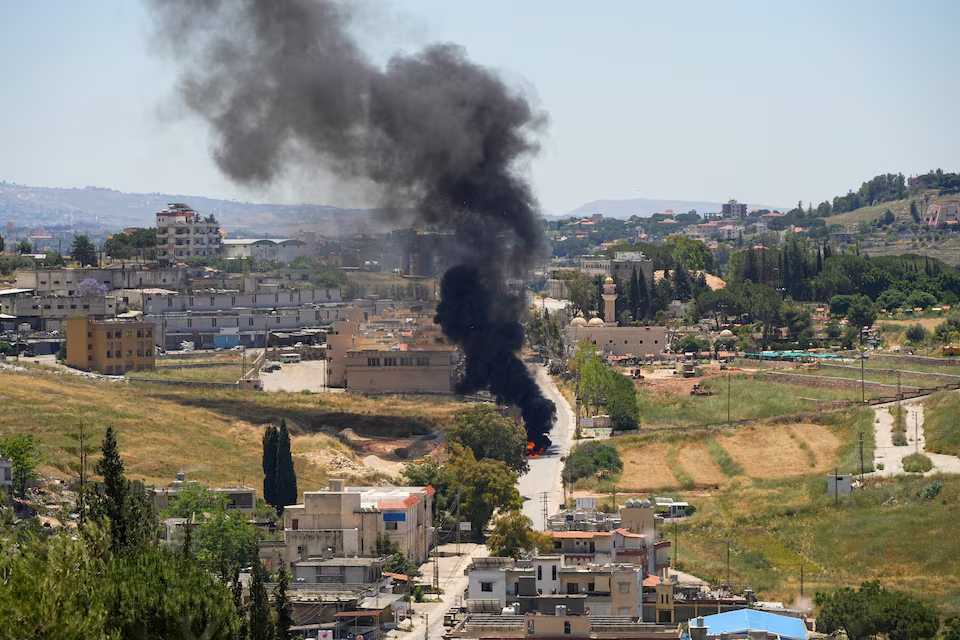
In Lebanon, several members of the Lebanese military were reportedly killed after an Israeli strike targeted a military vehicle in the country’s south.
Israeli officials said the operation was launched after intelligence suggested an imminent threat linked to Hezbollah activity in the area.
Hezbollah condemned the strike and accused Israel of continuing its military aggression despite ongoing diplomatic initiatives.
Iran has repeatedly insisted that any comprehensive agreement with Washington must include a ceasefire between Israel and Hezbollah, making the Lebanese conflict another major obstacle to peace efforts.
Uncertain Road Ahead
Saturday’s military exchanges underscore how fragile the situation remains despite months of diplomatic engagement.
With negotiations stalled, regional tensions rising, and multiple conflicts intersecting across the Middle East, hopes for a quick resolution appear increasingly uncertain.
For now, both Washington and Tehran continue to signal openness to talks while simultaneously preparing for further confrontation.
As international mediators scramble to prevent another escalation, the future of the conflict—and the stability of one of the world’s most strategically important regions—remains deeply uncertain.