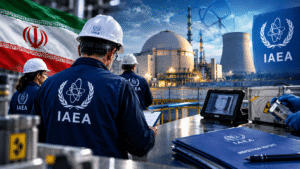

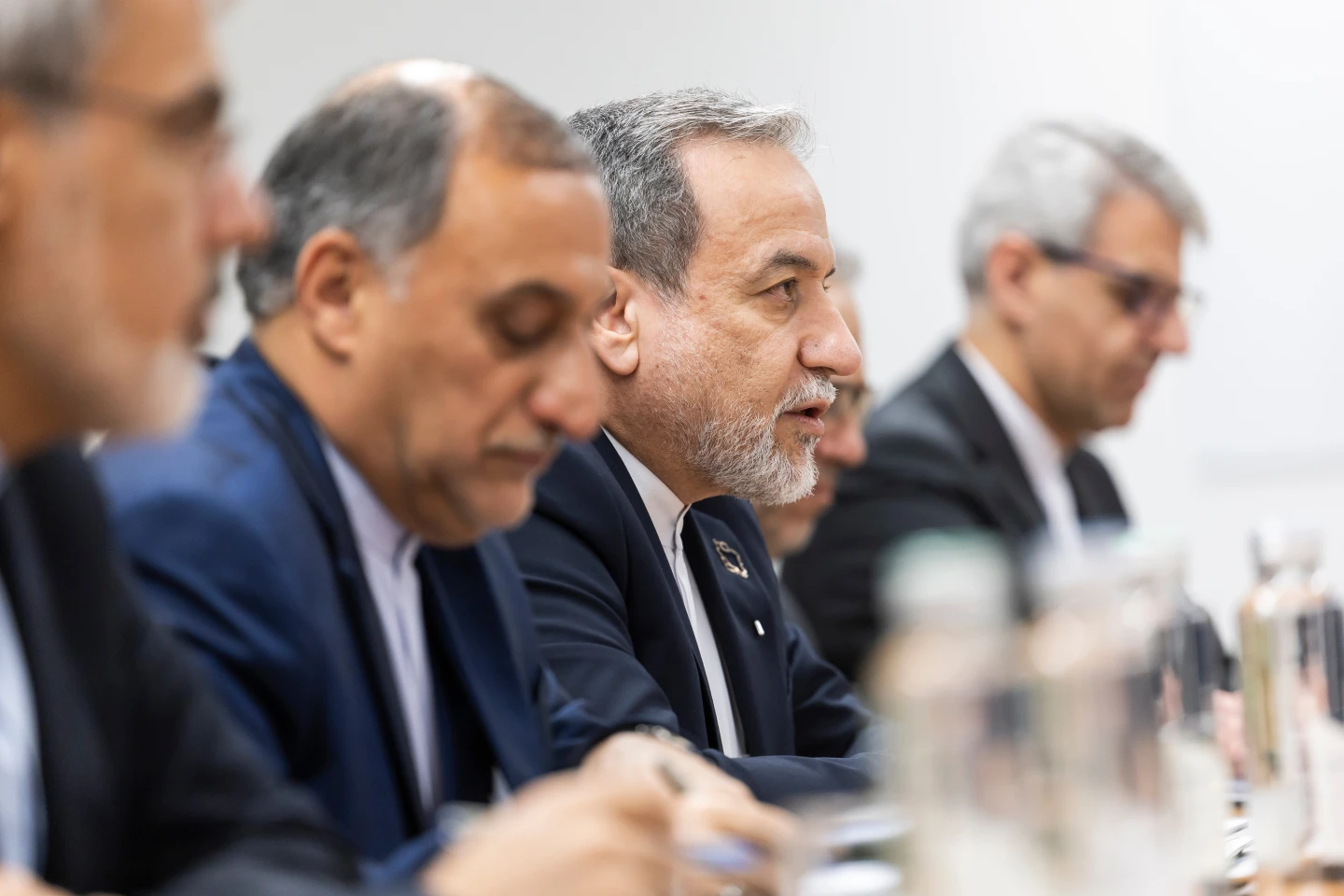
The United States is making a renewed diplomatic push to ease tensions with Iran, dispatching senior envoys to Pakistan for talks that could shape the next phase of a fragile geopolitical standoff. The move comes as conflict in the Middle East continues to disrupt global energy supplies, unsettle financial markets, and deepen humanitarian concerns across the region.
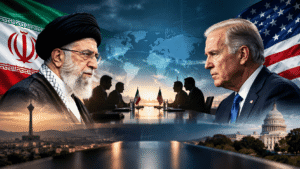
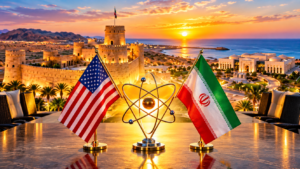
According to the White House, Donald Trump has tasked Steve Witkoff and Jared Kushner with meeting Iranian Foreign Minister Abbas Araghchi. The discussions, scheduled to take place in Pakistan, are part of a broader effort to revive negotiations that stalled earlier this year.
White House officials say the goal is to reopen communication channels and explore the possibility of a diplomatic agreement that could reduce tensions and stabilize the region. While expectations remain cautious, the talks are seen as a critical opportunity to prevent further escalation.
A World on Edge
The urgency surrounding the meeting reflects the wider global impact of the ongoing conflict. The war has significantly disrupted traffic through the Strait of Hormuz, a narrow but vital waterway that handles roughly 20% of the world’s oil and natural gas shipments under normal conditions.
Recent attacks on shipping and restrictions on movement have created a bottleneck in global energy flows, pushing oil prices sharply higher and raising costs for consumers worldwide. The ripple effects have extended far beyond the Middle East, influencing everything from fuel prices to food supply chains.
Despite a temporary ceasefire halting direct military strikes between the United States and Iran, tensions remain high. Iran continues to exert control over maritime traffic in the strait, while the U.S. maintains a blockade on Iranian ports, keeping pressure on Tehran.
Diplomatic Efforts Gain Momentum
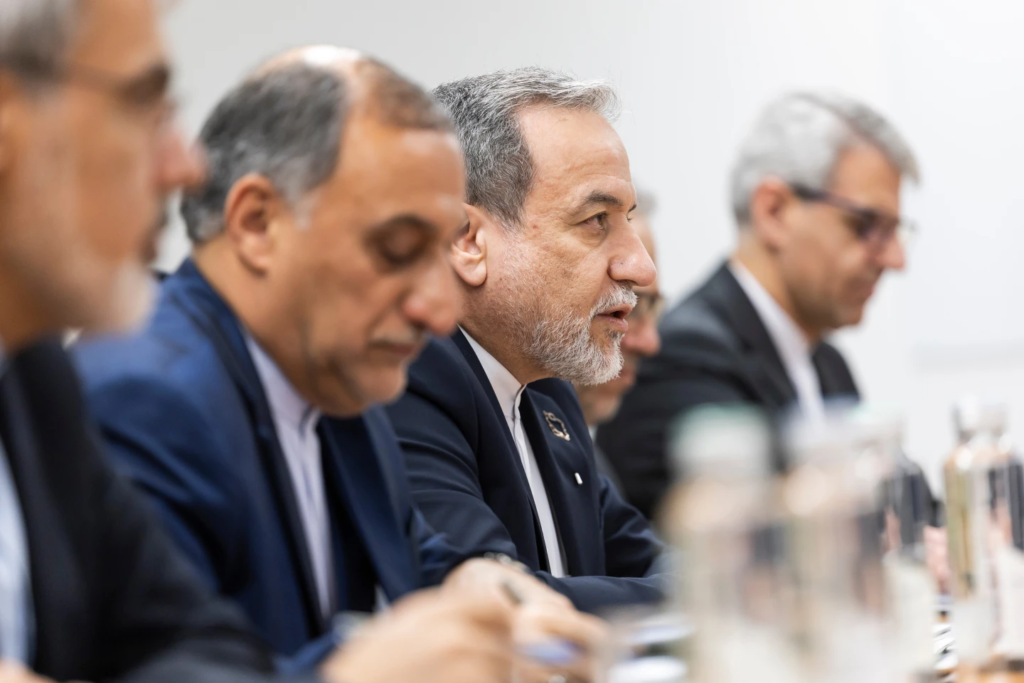
Pakistan has emerged as a key intermediary in the latest round of diplomacy. Officials in Islamabad have been actively working to bring both sides back to the negotiating table, particularly after earlier talks in Geneva failed to produce a breakthrough.
Those February discussions, which also involved Witkoff and Kushner, ended without agreement and were quickly followed by a military escalation involving the United States and Israel. The renewed effort in Pakistan reflects a recognition that diplomatic engagement remains essential, even amid ongoing tensions.
White House representatives have indicated that there have been signs of progress in recent days, though details remain limited. Officials say the envoys are traveling to “hear the Iranians out” and assess whether conditions are right for meaningful negotiations.
U.S. Leadership on Standby
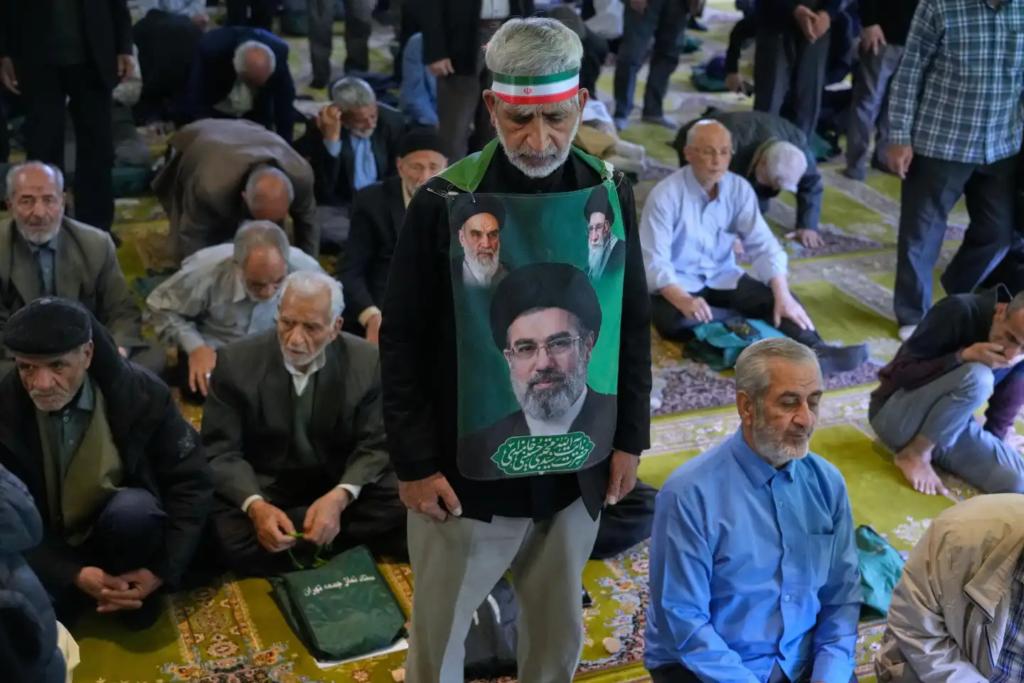
Senior members of the U.S. administration are closely monitoring the situation. JD Vance, along with Marco Rubio and national security officials, remain prepared to travel to Pakistan if the talks show promise.
This level of readiness underscores the importance Washington places on the discussions. A successful diplomatic breakthrough could not only ease regional tensions but also stabilize global markets that have been rattled by uncertainty.
Energy Policy Adjustments at Home
As the diplomatic effort unfolds, the Trump administration is also taking steps to manage the domestic impact of the crisis. The White House announced a 90-day extension of a waiver under the Jones Act, allowing foreign-flagged vessels to transport oil and natural gas more freely within U.S. waters.
The measure is designed to improve supply chains and mitigate the impact of disrupted global shipments. Since the initial waiver was introduced, officials say more energy supplies have reached U.S. ports more quickly, helping to ease some of the pressure on domestic markets.
Oil prices responded to the announcement with modest declines, though they remain significantly higher than before the conflict began. Analysts warn that sustained disruptions in the Strait of Hormuz could continue to drive volatility.
Military Presence Signals Deterrence
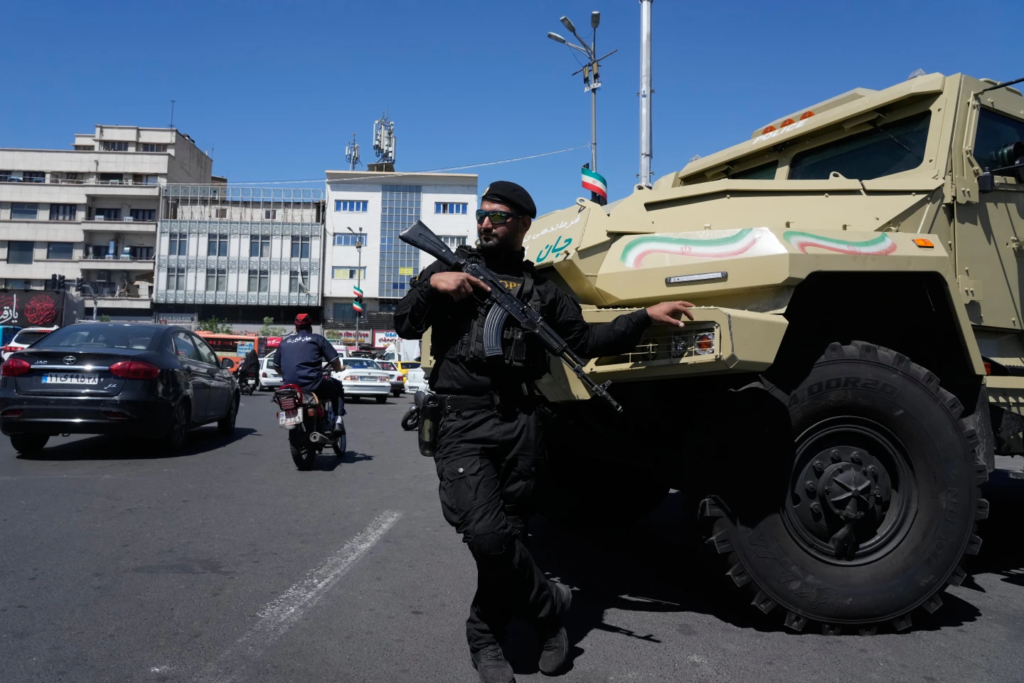
While diplomacy is underway, the United States is maintaining a strong military presence in the region. Pete Hegseth emphasized that Iran faces a critical decision: pursue negotiations or risk further confrontation.
The U.S. has deployed multiple aircraft carriers to the region, including the USS George H.W. Bush, USS Abraham Lincoln, and USS Gerald R. Ford. Together, these forces represent one of the largest U.S. naval deployments in the area in decades.
With hundreds of aircraft and thousands of personnel, the buildup is intended to deter further aggression and ensure the security of key maritime routes. However, it also highlights the delicate balance between military readiness and diplomatic engagement.
Human Cost Continues to Rise
Despite temporary ceasefires in some areas, the human toll of the conflict continues to grow. Thousands of people have been killed across multiple countries, including Iran, Lebanon, and Israel, with additional casualties reported among military personnel and peacekeeping forces.
In Lebanon, clashes involving Hezbollah and Israeli forces have added another layer of instability. Although a ceasefire between Israel and Lebanon has been extended, sporadic violence and mutual accusations persist.
The United Nations Interim Force in Lebanon has also suffered losses, underscoring the risks faced by international personnel operating in the region.
Fragile Calm, Uncertain Future
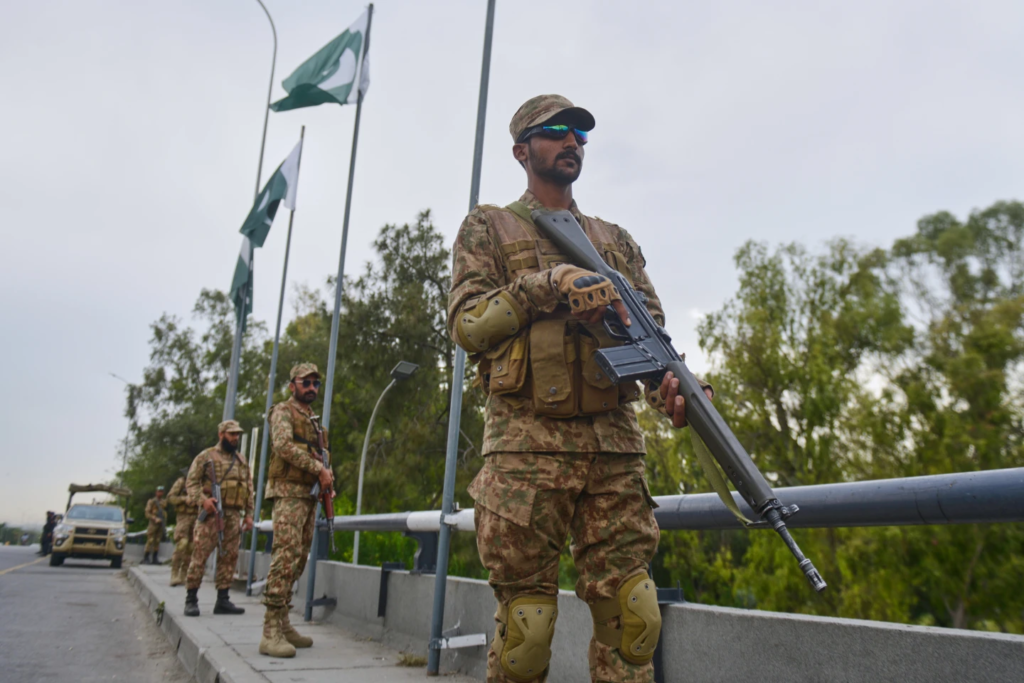
While diplomatic efforts offer a glimmer of hope, the situation remains highly volatile. The continued disruption of shipping, combined with military posturing and unresolved political differences, means that any progress could be easily reversed.
For many observers, the upcoming talks in Pakistan represent a critical moment. A breakthrough could pave the way for broader negotiations and a potential easing of tensions. Failure, however, could deepen the crisis and further destabilize both the region and the global economy.
As the world watches closely, the challenge for all sides will be finding a path that balances strategic interests with the urgent need for stability and peace.